Here are some practical tips for determining if an item could attract evil spirits.
- Consider the name and logo of the item.
- Does the item have the name of an evil entity?
- Read this article for an example of this.
- Is the logo good or bad?
- For example: Starbucks
- Does the item have the name of an evil entity?
- Was the item prayed over or blessed during or after production?
- If you answered yes, then you need to find out for what reason and by whom?
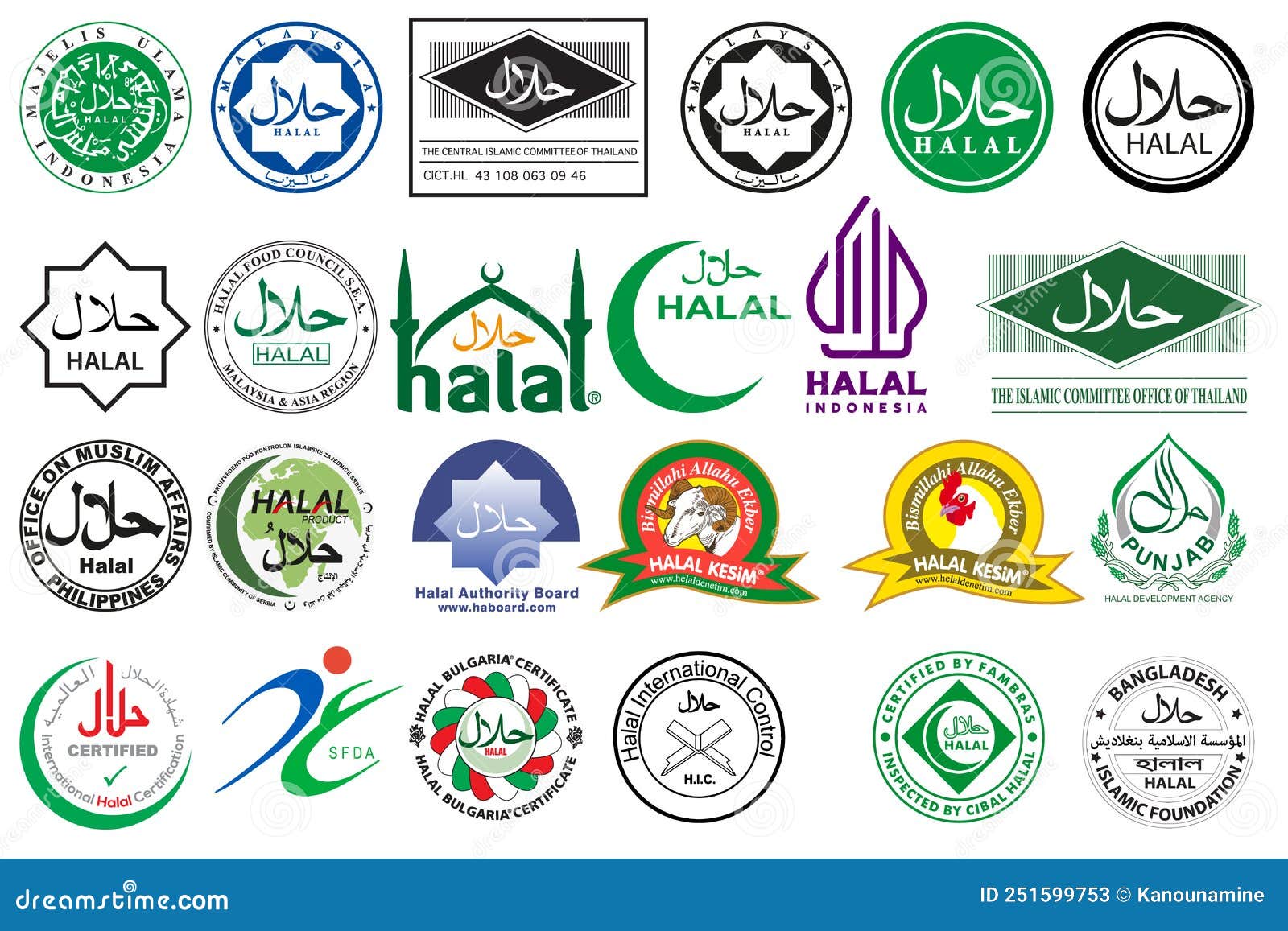
- For example: Halel food is food that has been blessed with a Muslim blessing.
- If you answered yes, then you need to find out for what reason and by whom?
- Why was the item made?
- For example: candles have been made throughout history for 2 main purposes.
- for light
- This is good.
- for religious purposes
- This needs further consideration.
- Find out what religion and what religious purposes. Generally speaking, most religious items are not for daily household use.
- This needs further consideration.
- for light
- For example: candles have been made throughout history for 2 main purposes.
- Is the item scented?
- Various scents have been used in worship. Even God had certain perfumes that he commanded the certain people to make. Look at the following Bible Verses.
- Exodus 30:31-38 And thou shalt speak unto the children of Israel, saying, This shall be an holy anointing oil unto me throughout your generations. Upon man’s flesh shall it not be poured, neither shall ye make any other like it, after the composition of it: it is holy, and it shall be holy unto you. Whosoever compoundeth any like it, or whosoever putteth any of it upon a stranger, shall even be cut off from his people. And the Lord said unto Moses, Take unto thee sweet spices, stacte, and onycha, and galbanum; these sweet spices with pure frankincense: of each shall there be a like weight: And thou shalt make it a perfume, a confection after the art of the apothecary, tempered together, pure and holy: And thou shalt beat some of it very small, and put of it before the testimony in the tabernacle of the congregation, where I will meet with thee: it shall be unto you most holy. And as for the perfume which thou shalt make, ye shall not make to yourselves according to the composition thereof: it shall be unto thee holy for the Lord. Whosoever shall make like unto that, to smell thereto, shall even be cut off from his people.
- Leviticus 10:1-3 Now Nadab and Abihu, the sons of Aaron, took their respective [ceremonial] censers, put fire in them, placed incense on it and offered strange (unauthorized, unacceptable) fire before the Lord, [an act] which He had not commanded them to do. And fire came out from the presence of the Lord and devoured them, and they died before the Lord. Then Moses said to Aaron, “This is what the Lord said: ‘I will be treated as holy by those who approach Me, And before all the people I will be honored.’” So Aaron, therefore, said nothing.
- Incense is an aromatic biotic material that releases fragrant smoke when burnt. The term is used for either the material or the aroma. Incense is used for aesthetic reasons, religious worship, aromatherapy, meditation, and ceremonial reasons. It may also be used as a simple deodorant or insect repellent.
- Not all scented items are bad. Just be careful that it is not a scent that is also used in religious worship.
- Various scents have been used in worship. Even God had certain perfumes that he commanded the certain people to make. Look at the following Bible Verses.
- What is the item?
- It the item a replica of something that is/was used in religious cerimonies?
- If so, what religion?
- Does the item cause you to feel uncomfortable?
- If so, find out why. It could be the Holy Spirit trying to tell you something.
- Is the item an artifact or a replica of an artifact?
- If so, it may be better to put it in a museum.
- Is the item an heirloom?
- Who was the last person to own and use it?
- It the item a replica of something that is/was used in religious cerimonies?
- Specialty items
- Some items need special consideration. These are items with cultural significance. Often these items contain special meaning to those who are of that culture.
- These items need to be carefully considered in light of the culture that they come from.
- For example: Dream catchers: Dream catchers serve various purposes, including religious, protective, decorative, and educational, but should be discarded if intentions are unclear.
- Some items need special consideration. These are items with cultural significance. Often these items contain special meaning to those who are of that culture.
So, you found something in your house that needs to go, now what?
- What is it?
- If it is historical, try donating it to a museum.
- If it is cultural, consider donating to a cultural museum or heritage place.
- not all cultural items are wanted back because some items have been mass produced in ways that should not be, such as the Dream Catcher.
- Anything else
- Paper or wood: if possible, safely burn it. If it is not possible, then either recycle it or dispose of it in accordance with the laws in your area.
- Acts 19:18-20 Many of those who had become believers were coming, confessing and disclosing their [former sinful] practices. And many of those who had practiced magical arts collected their books and [throwing book after book on the pile] began burning them in front of everyone. They calculated their value and found it to be 50,000 pieces of silver. So the word of the Lord [concerning eternal salvation through faith in Christ] was growing greatly and prevailing.
- Metal or plastic
- Do something to make it unusable
- Then either recycle it or dispose of it in accordance with the laws in your area.
- Paper or wood: if possible, safely burn it. If it is not possible, then either recycle it or dispose of it in accordance with the laws in your area.

 articlesforchristians
Comments on: "How to Identify Items That Attract Evil Spirits" (2)
[…] How to Identify Items That Attract Evil Spirits: To determine if an item may attract evil spirits, consider its name, logo, purpose, and past blessings, along with cultural and religious significance. […]
[…] How to Identify Items That Attract Evil Spirits […]