The History of Women’s History Month
Women’s History Month has its roots in a growing desire to recognize the countless contributions women have made throughout history—contributions that were often overlooked, minimized, or left out of textbooks altogether. The movement began locally, expanded nationally, and eventually became a month-long celebration embraced across the United States.
How It Began: A Local Celebration
- In 1978, a small group of educators and community leaders in Sonoma County, California, organized the first Women’s History Week.
- They chose the week of March 8 to align with International Women’s Day, which had been observed globally since the early 1900s.
- The idea quickly gained momentum as schools, libraries, and organizations began hosting events that highlighted women’s achievements in literature, science, civil rights, the arts, and public life.
Growing National Recognition
- The success of the local celebration inspired other communities to adopt their own Women’s History Week programs.
- In 1980, a coalition of women’s groups and historians successfully lobbied for national recognition.
- That same year, President Jimmy Carter issued the first presidential proclamation, declaring the week of March 8, 1980, as National Women’s History Week.
- Throughout the early 1980s, Congress passed resolutions encouraging the celebration each year.
From a Week to a Month
- As interest and participation grew, it became clear that a single week wasn’t enough to honor the depth and breadth of women’s contributions.
- In 1987, after continued advocacy from the National Women’s History Project (now the National Women’s History Alliance), Congress designated March as Women’s History Month.
- Since then, every U.S. president has issued annual proclamations celebrating the month and highlighting a national theme.
Why March Matters
Women’s History Month is more than a calendar observance—it’s a reminder to:
- Recognize women whose stories were left out of traditional narratives
- Celebrate achievements in fields like literature, science, education, faith, sports, and civil rights
- Inspire future generations by showing how women have shaped history and continue to shape the world today
It’s a month that invites reflection, gratitude, and renewed commitment to telling fuller, richer stories.
- The History of Women’s History Month
Great Women in History
Literature
“Women in literature have shaped hearts and history through stories, poems, and ideas that continue to illuminate the world.”
Jemima Luke

- She was born August 19, 1813
- She published a volume titled The Female Jesuit in 1851.
- She published A Memoir of Eliza Ann Harris, of Clifton, in 1859
Emily Dickinson
- One of America’s most influential poets.
- Known for her innovative style and introspective themes.
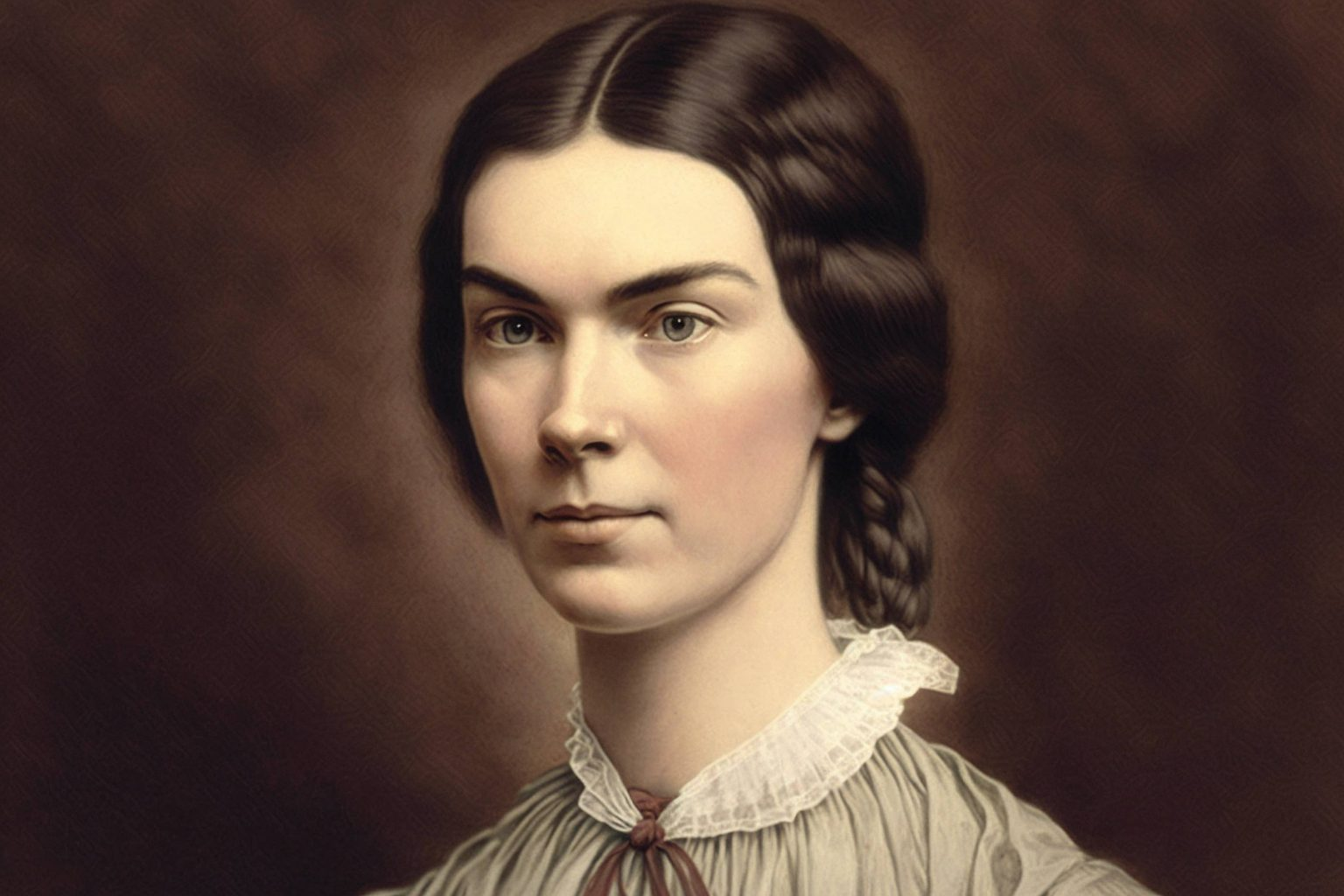
Louisa Alcott

- The Alcott family were very poor.
- Louisa made up her mind to do something to make money when she got big.
- She did not like being so very poor.
- She wrote the book called “Little Women,”.
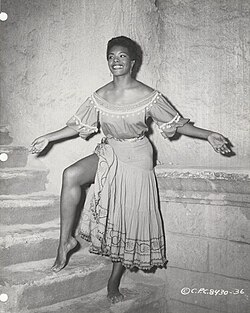
Maya Angelou
- Renowned poet, memoirist, and civil rights activist.
- Best known for I Know Why the Caged Bird Sings.
- Her poetry speaks of resilience, dignity, and hope.
Gwendolyn Brooks
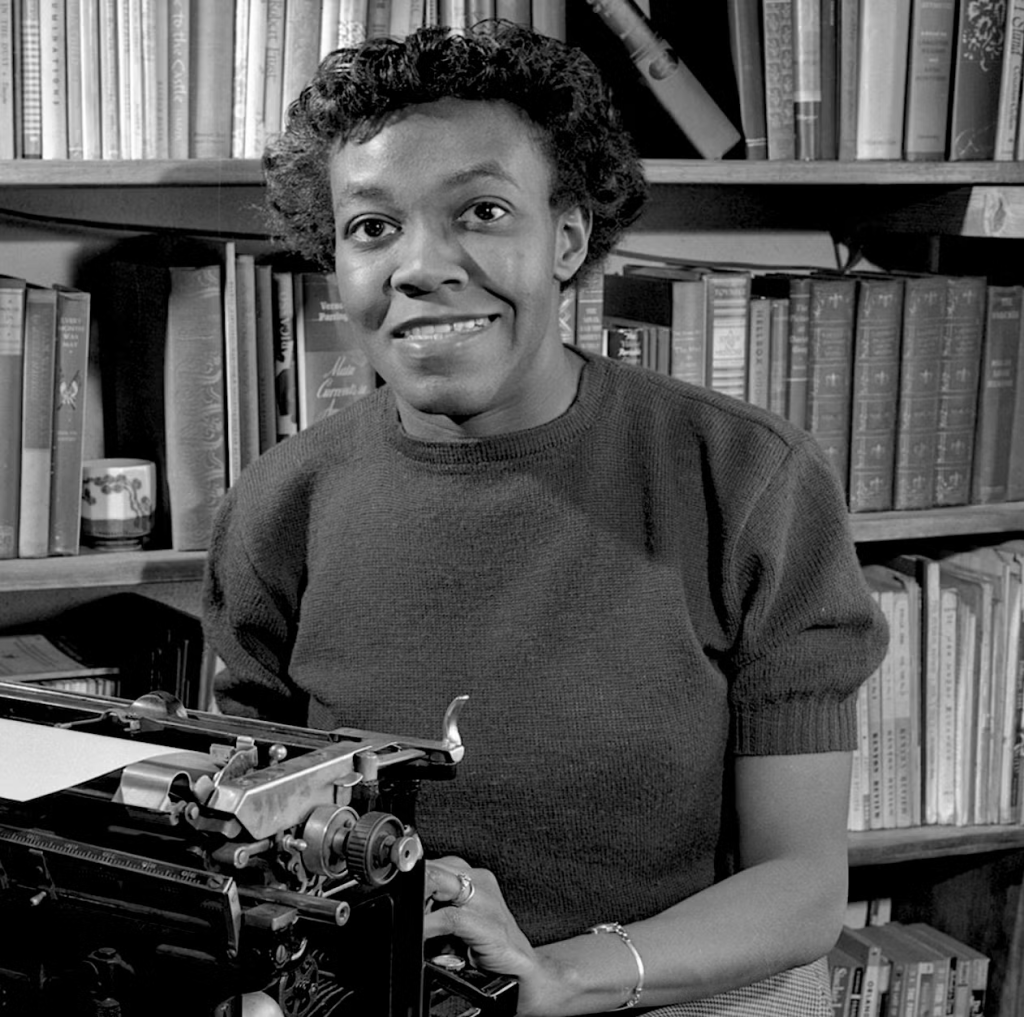
- First African American to win the Pulitzer Prize for Poetry.
- Her work captures the beauty and struggle of everyday life.
Rita Dove
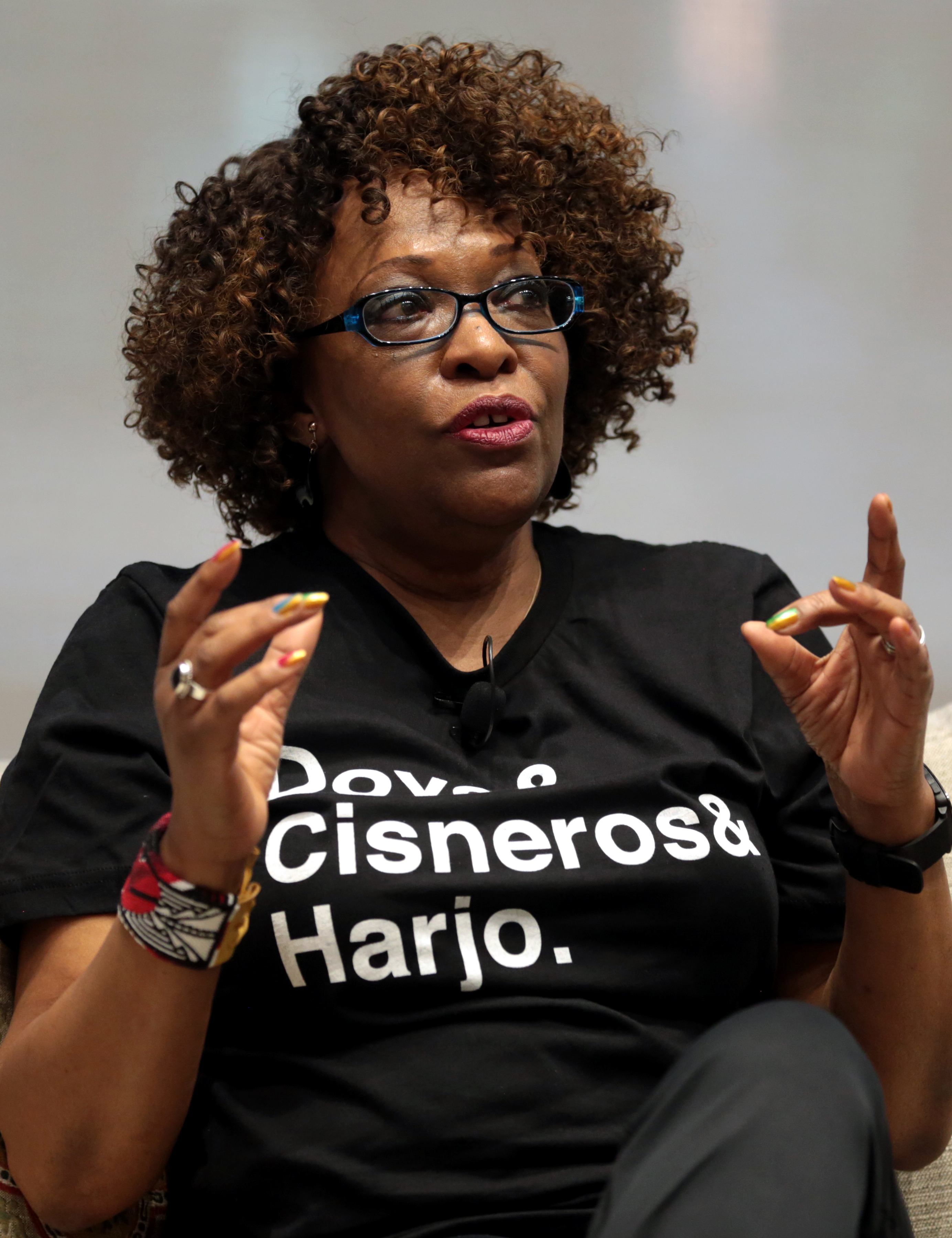
- Rita Frances Dove was born on August 28, 1952, in Akron, Ohio.
- In 1993, Rita Dove was appointed U.S. Poet Laureate.
Education
Women educators have transformed learning, expanded access, and championed the power of knowledge.
Dorothy Dix
- Dorothy wanted to learn.
- She wanted to become a teacher.
- She wanted to help other poor children.
- She started a school for poor children in her grandmother’s barn.
- She helped other people later in life to have better protections.

Mary McLeod Bethune
- Educator and civil rights leader.
- Founded Bethune-Cookman University.
- Advocate for Black women’s education and political participation.
Maria Montessori
- Italian physician and educator.
- Developed the Montessori method, emphasizing independence and hands-on learning.
Charlotte Forten Grimké
- First African American teacher to instruct freedmen in the South.
- Writer, abolitionist, and advocate for educational equity.
Nannie Helen Burroughs
- She was a Voice of Strength, Education, and Empowerment.
- Nannie Helen Burroughs was born on May 2, 1879, in Orange, Virginia.
Science
Women in science have pushed boundaries, made groundbreaking discoveries, and opened doors for future generations.
Marie Curie
- Physicist and chemist.
- First woman to win a Nobel Prize—and the only person to win in two scientific fields.
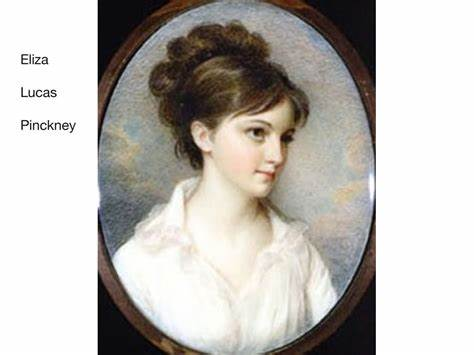
Eliza Lucas
- Miss Lucas was fond of trying new things.
- She had determination.
- She learned to grow indigo from watching carefully.
Katherine Johnson
- NASA mathematician whose calculations were critical to early space missions.
- Her work helped send astronauts to the moon.
Rosalind Franklin
- Chemist whose research was essential to understanding the structure of DNA.
Women’s Right to Vote
The suffrage movement was powered by women who refused to accept inequality and fought tirelessly for political representation.
Susan B. Anthony
- Leader in the women’s suffrage movement.
- Co-founded the National Woman Suffrage Association.
Sojourner Truth
- Abolitionist and women’s rights advocate.
- Delivered the iconic “Ain’t I a Woman” speech.
Ida B. Wells
- Journalist, educator, and civil rights activist.
- Co-founder of the NAACP and outspoken advocate for suffrage and anti-lynching reform.
Alice Paul
- Suffragist and strategist behind the 19th Amendment campaign.
- Organized the 1913 Women’s Suffrage Parade in Washington, D.C.
Woman of Faith
Women who demonstrated great faith.
Mother Mary Lange
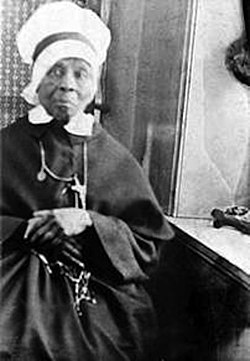
- She was a Pioneer of Faith, Education, and Courage.
- Mother Mary Lange was born Elizabeth Clarisse Lange around 1784 in Santiago de Cuba.
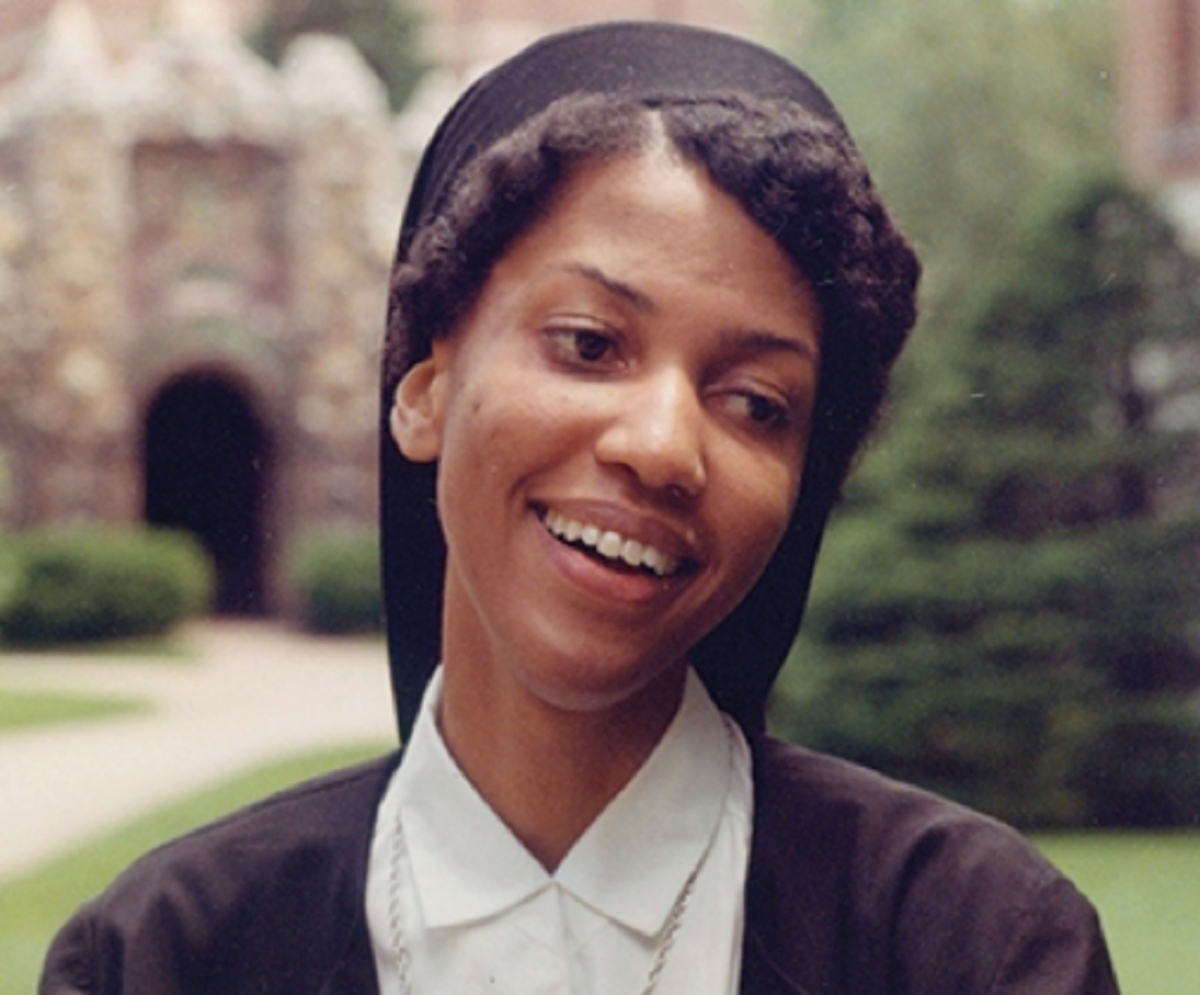
Sister Thea Bowman
- She was a Black Catholic religious sister, teacher, musician, liturgist and scholar who contributed to the ministry of the Catholic Church toward African Americans.
- She was born in Yazoo City, Mississippi, in 1937.
- She is being considered for Sainthood.
Women in Sports
“Women in sports have broken barriers, redefined excellence, and inspired generations through their courage, strength, and unwavering determination.”
Alice Coachman
- First Black Woman Olympic Champion
- Alice Coachman was born on November 9, 1923, in Albany, Georgia.
Celebrating Women’s Legacy
Women’s History Month invites us to:
- Learn about women whose stories have been overlooked.
- Celebrate achievements across all fields.
- Encourage young people—especially girls—to dream boldly.
- Reflect on the ongoing work toward equality.
From poets to scientists, educators to activists, women have shaped the world in profound ways. Their legacies continue to light the path forward.

 Articles for Christians
Leave a comment