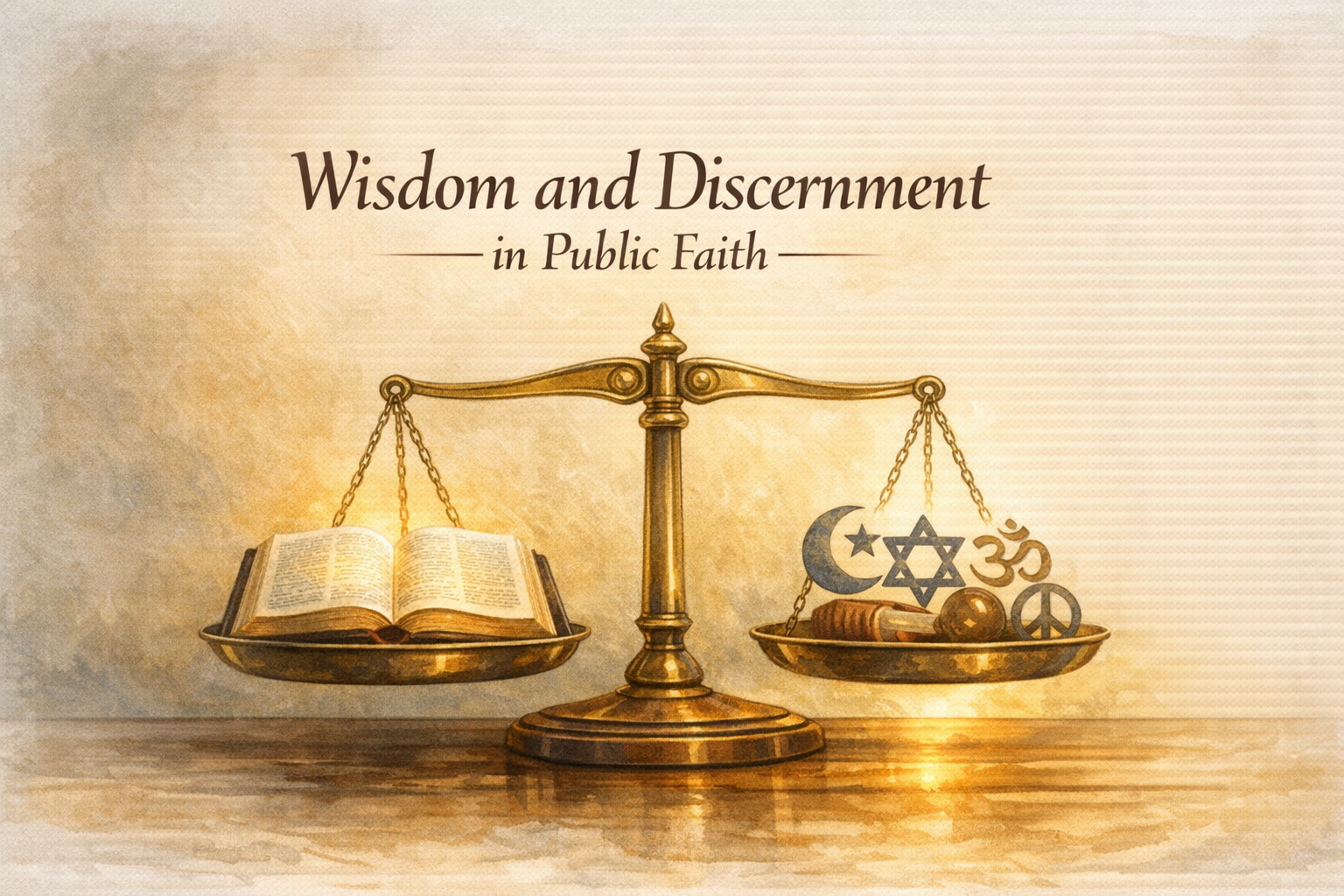
Many Christians are celebrating recent laws in states like Texas and Louisiana that require the Ten Commandments to be posted in classrooms or mandate “Bible instruction.” I understand that excitement — I love Scripture, and I believe every child benefits from knowing God’s Word.
But I also believe we need to think carefully and prayerfully about what these laws actually mean.
My concern is not about the Bible.
My concern is about who controls the teaching of the Bible.
Below is a gentle, thoughtful explanation of why some believers are cautious — and why that caution is rooted in both wisdom and Scripture.
1. The Bible Belongs in Homes and Churches — Not Under Government Control
God gave the responsibility of teaching Scripture to:
- Parents (Deuteronomy 6:6–7)
- The Church (Ephesians 4:11–12)
- Believers who handle the Word faithfully (2 Timothy 2:15)
Nowhere in Scripture does God assign the government to interpret or teach His Word.
When the state mandates Bible instruction, the state also gains the authority to:
- Decide how the Bible is taught
- Decide who teaches it
- Decide what interpretation is allowed
- Decide whether it is taught as truth or merely literature
That is a door Christians should be very cautious about opening.
2. Equal‑Access Laws Mean Every Religion Gets the Same Rights
This is the part many people don’t realize.
If a state requires the Ten Commandments or Bible instruction, the law must — by the Constitution — allow every other religion the same access.
That means:
- If Christians can require the Ten Commandments,
- Muslims can request the Quran,
- Hindus can request the Bhagavad Gita,
- Wiccans can request their texts,
- Atheist groups can request humanist materials.
This isn’t speculation.
This is how the First Amendment works.
A door opened for one religion is opened for all.
3. What’s Happening in Texas and Louisiana Shows This Tension Clearly
Recent laws in these states require:
- Posting the Ten Commandments in every classroom
- Teaching the Bible as part of the curriculum
- Allowing chaplains (not necessarily Christian) to counsel students
These laws are already facing lawsuits and court challenges.
Why?
Because if the state endorses one religious text, it must legally allow others.
Christians may celebrate the first step — but the next steps may not be Christian at all.
4. A Historical Reminder: Government‑Run Religion Has Never Gone Well
In the 1800s, when public schools used Protestant Bibles:
- Catholic and Jewish families protested
- Communities divided
- Violence broke out
- Courts eventually stepped in to stop state‑sponsored religious teaching
History shows that when the government takes charge of religion, conflict follows.
5. A Spiritual Concern: The Bible Could Be Taught Incorrectly
Even if the law says “Bible instruction,” the teacher may not be a believer.
A non‑Christian teacher could legally teach the Bible as:
- Mythology
- Symbolic literature
- Cultural storytelling
- A historical artifact
Not as the living Word of God.
Christians should not want the state defining Scripture for children.
6. So Am I Against the Bible in Schools? Absolutely Not.
I want Scripture to be honored.
I want children to know God’s Word.
I want the Bible to shape hearts and homes.
But I also want to protect the Bible from being:
- Misused
- Misinterpreted
- Politicized
- Equalized with every other belief system under state authority
My caution is not unbelief.
It is discernment.
7. A Better Way Forward
The Bible can be present in public schools without government control:
- Elective Bible‑as‑literature classes (already legal)
- Student‑led Bible clubs (protected by federal law)
- Christian teachers living out their faith within legal boundaries
- Parents teaching Scripture at home
- Churches equipping families
These approaches keep the Bible in the public square without giving the state authority over doctrine.
8. Summary
Here is the heart of my concern:
I’m not against the Bible — I’m for protecting it.
When the government mandates religious teaching, it must treat all religions equally.
The same law that puts the Ten Commandments on the wall today could require other religious texts tomorrow.
I want Scripture taught faithfully, not politically, and not under state control.
This is not fear.
This is wisdom.
