Booker T. Washington: A Legacy of Determination, Leadership, and Hope
Booker T. Washington: A Legacy of Determination, Leadership, and Hope
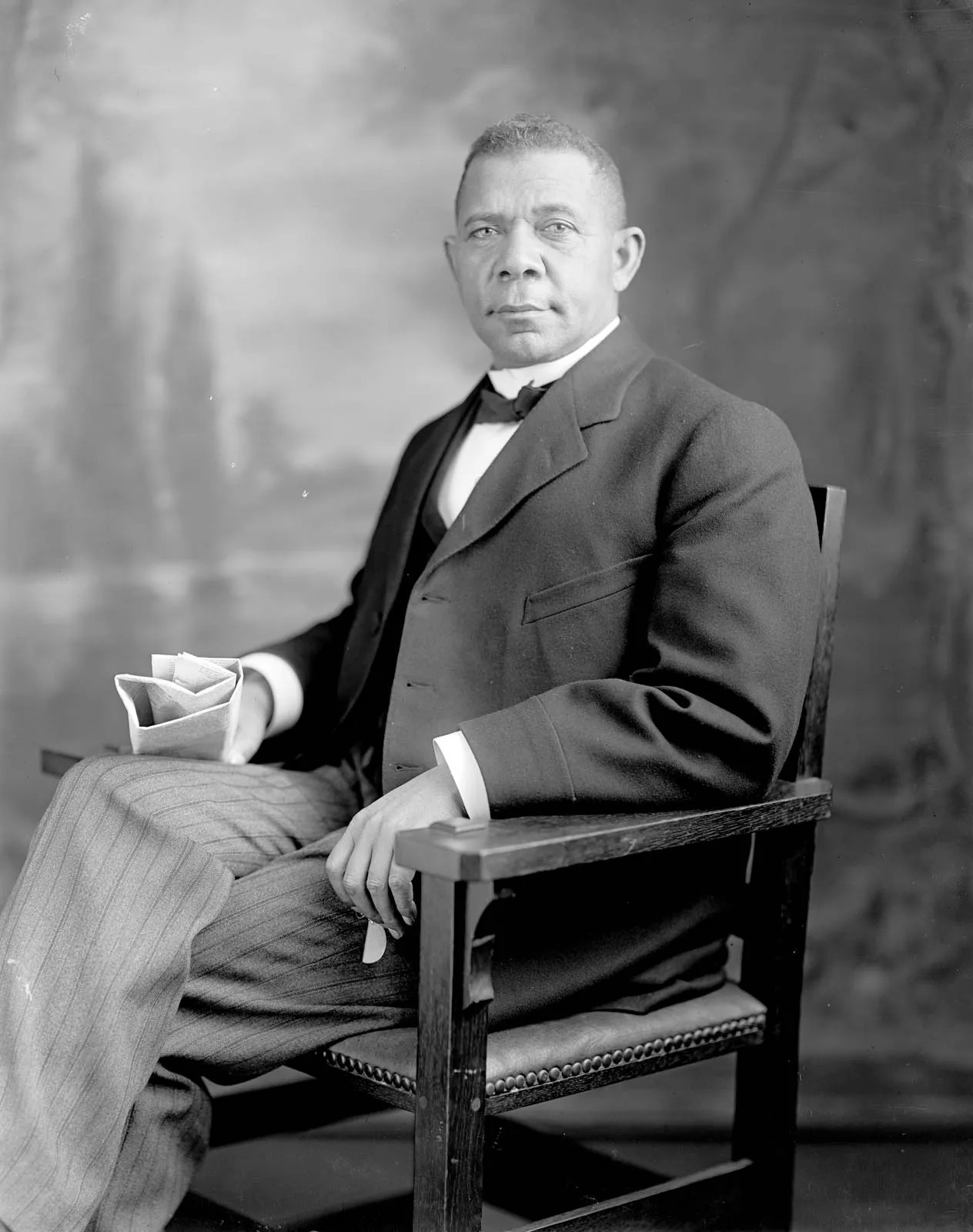
Black History Month offers a powerful opportunity to honor the lives of individuals whose courage and perseverance shaped the course of American history. Among these influential figures stands Booker T. Washington—an educator, reformer, institution‑builder, and one of the most prominent African American leaders of the late 19th and early 20th centuries. His life story, marked by hardship, vision, and unwavering resolve, continues to inspire generations.
Early Life: From Slavery to Self‑Determination
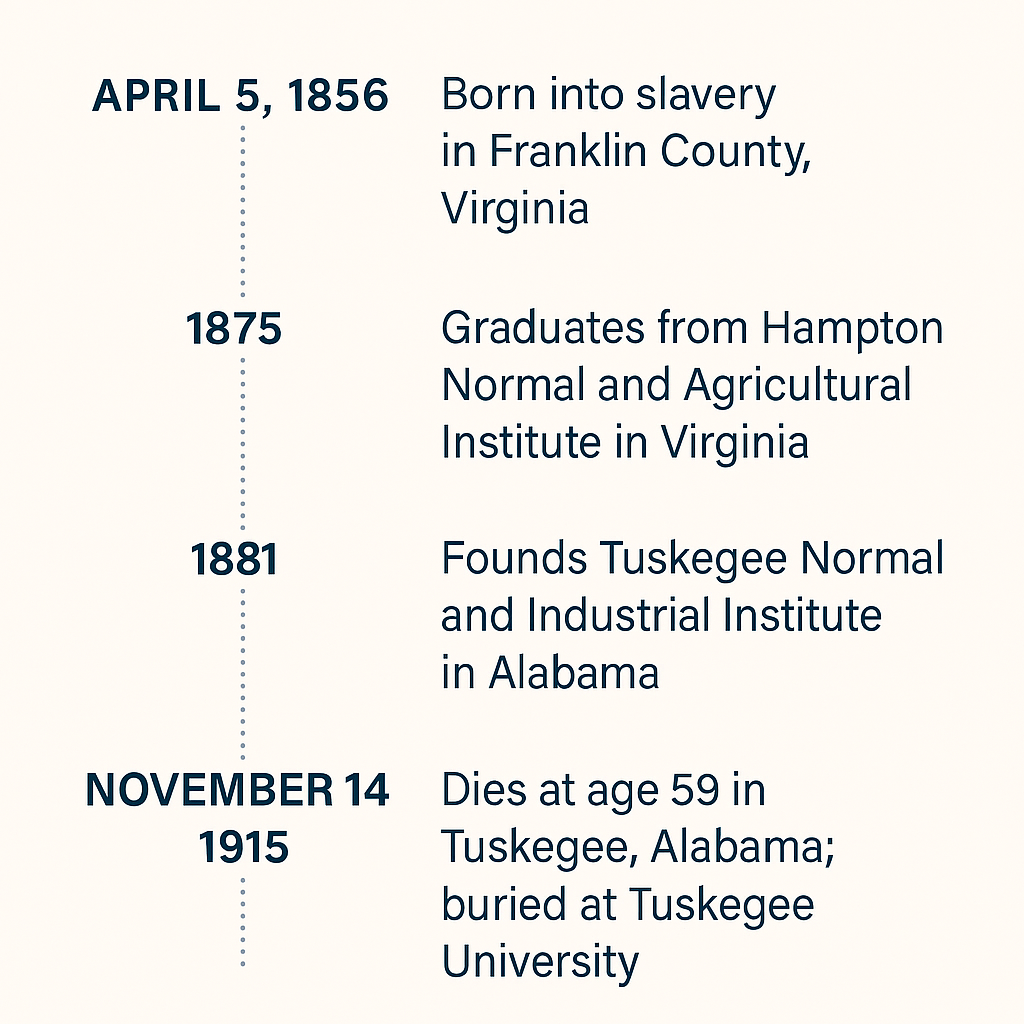
Booker Taliaferro Washington was born April 5, 1856, on a plantation in Franklin County, Virginia. His mother, Jane, was an enslaved cook, and Booker never knew his father. His earliest memories were shaped by the harsh realities of slavery—long hours of labor, limited opportunities, and the constant struggle for dignity.
When the Civil War ended and slavery was abolished, Washington and his family gained their freedom. They moved to Malden, West Virginia, where young Booker worked in salt furnaces and coal mines to help support his family. Despite the exhausting labor, he hungered for education. He taught himself to read and eventually walked hundreds of miles—sleeping under sidewalks and working odd jobs—to attend the Hampton Normal and Agricultural Institute in Virginia.
At Hampton, Washington encountered discipline, academic rigor, and a philosophy of character-building that would shape his life’s work. He graduated in 1875 with a deep conviction that education was the key to uplifting African Americans in the post‑Civil War South.
Middle Life: Building Tuskegee and Shaping a Movement
In 1881, at just 25 years old, Washington was invited to lead a new school for African Americans in Alabama: the Tuskegee Normal and Industrial Institute (now Tuskegee University). With no buildings, little funding, and only a handful of students, Washington began the work that would define his legacy.
A Vision for Practical Education
Washington believed that formerly enslaved people needed:
- Academic knowledge
- Practical skills
- Strong moral character
- Economic independence
Under his leadership, Tuskegee grew from a small, struggling school into a nationally respected institution. Students built the campus themselves—making bricks, constructing buildings, and learning trades alongside academic subjects. Washington’s model emphasized dignity in labor and the belief that economic strength could pave the way for social progress.
National Influence
Washington became one of the most influential Black leaders of his time. His 1895 speech at the Atlanta Exposition—often called the “Atlanta Compromise”—brought him national attention. He encouraged cooperation between Black and white communities and argued that African Americans should focus on economic advancement while gradually pursuing civil rights.
Though his approach sparked debate among other Black leaders, including W.E.B. Du Bois, Washington’s impact on education, institution‑building, and racial uplift was undeniable.
Later Life: Final Years, Death, and Legacy
By the early 1900s, Washington was a national figure—advising presidents, writing books, and expanding Tuskegee’s reach. His autobiography, Up From Slavery, published in 1901, became a bestseller and remains a foundational text in African American history.
Death and Burial
Booker T. Washington died on November 14, 1915, at the age of 59. He passed away at Tuskegee, Alabama, the very place where he had poured out his life’s work.
He is buried on the campus of Tuskegee University, in a quiet, honored spot known as the Tuskegee University Campus Cemetery, where students and visitors still pay their respects.
A Legacy That Endures
Booker T. Washington’s life is a testament to perseverance, vision, and the transformative power of education. Born into slavery, he rose to become a national leader, a builder of institutions, and a voice for progress during one of the most challenging eras in American history.
His legacy lives on through:
- Tuskegee University
- His writings and speeches
- The countless students and educators shaped by his philosophy
- His enduring example of resilience and hope
During Black History Month, remembering Booker T. Washington reminds us that determination, character, and education can change not only one life—but the course of a nation.
 articlesforchristians