A place to grow your relationship with God

Archive for the ‘Education’ Category

Weekly Recap of Articles for Christians Jan 25th to Jan 31st

Bible

Education

Cooking/ House Keeping

Estudio Bíblico en Español

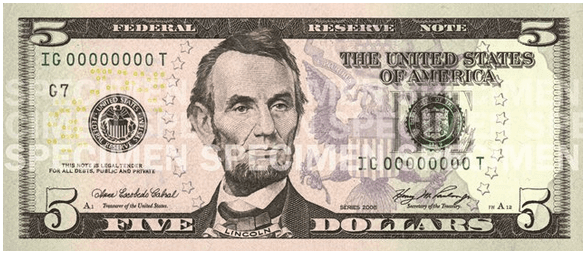
Math: US Money – The Five-Dollar Bill

Directions

Gather one five-dollar bill and five one-dollar bills per child. Children might create their own pretend paper money with paper, pens, and crayons or markers.

Have children complete the steps below.

Have children practice until they perfectly master each task.

STEP 1 – WHAT IS A FIVE-DOLLAR BILL?

Children identify the five-dollar bill.

  • Direct the children to examine the front and back of the five-dollar bill. Ask the children to verbally describe what they see.
  • Have children hold up the five-dollar bill and recite, ‘1 five-dollar bill is worth 5 one-dollar bills.’

STEP 2 – COMBINE AND SEPARATE

Children combine and separate groups of one-dollar bills and a five-dollar bill.

  • Ask children to group five one-dollar bills together.
  • Tell children to move 1 five-dollar bill next to the 5 one-dollar bills. Have them recite, ‘1 five-dollar bill is worth 5 one-dollar bills.’

STEP 3 – PLAY STORE

  • Give each child 5 one-dollar bills and 1 five-dollar bill. Say to children, ‘A game costs 8 dollars. Show me which bills you must give to the cashier to purchase the game.’
  • Give each child 5 one-dollar bills and 1 five-dollar bill. Say to children, ‘A vase costs 6 dollars. Show me which bills you must give to the cashier to purchase the vase.’
  • Give each child 5 one-dollar bills and 1 five-dollar bill. Say to children, ‘A statue costs 9 dollars. Show me which bills you must give to the cashier to purchase the statue.’

1st grade week 24 out of 36

Subscribe to continue reading

Subscribe to get access to the rest of this post and other subscriber-only content.

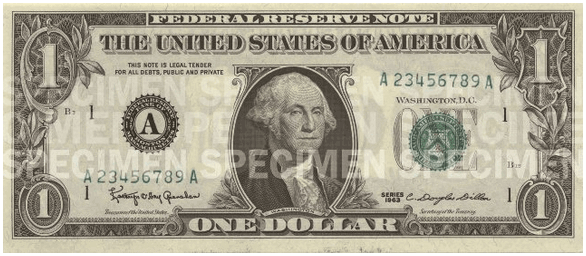
Math: US Money – The One-Dollar Bill

Directions
Gather 100 pennies, 20 nickels, 10 dimes, 4 quarters, and 1 one-dollar bill per child. Children might create their own pretend paper money with paper, pens, and crayons or markers.

Have children complete the steps below.

Have children practice until they perfectly master each task.

STEP 1 – WHAT IS A ONE-DOLLAR BILL?

Children identify the one-dollar bill.

  • Direct the children to examine the front and back of the dollar bill. Ask the children to verbally describe what they see.
  • Have children hold up a penny and recite, ‘1 penny is worth 1 cent.’
  • Have children hold up a nickel and recite, ‘1 nickel is worth 5 cents.’
  • Have children hold up a dime and recite, ‘1 dime is worth 10 cents.’
  • Have children hold up a quarter and recite, ‘1 quarter is worth 25 cents.’
  • Have children hold up the 1 dollar bill and recite, ‘1 one-dollar bill is worth 100 cents.’

STEP 2 – COMBINE AND SEPARATE

Children combine and separate groups of pennies, nickels, dimes, quarters, and one-dollar bills.

  • Ask children to group 100 pennies together.
  • Tell children to move 1 one-dollar bill next to the 100 pennies. Have them recite, ‘1 one-dollar bill is worth 100 pennies.’
  • Tell children to remove the pennies and to move 4 quarters next to the dollar. Have them recite, ‘4 quarters are worth 1 dollar.’
  • Tell children to remove the quarters and to move 10 dimes next to the dollar. Have them recite, ’10 dimes are worth 1 dollar.’
  • Tell children to remove the dimes and to move 20 nickels next to the dollar. Have them recite, ’20 nickels are worth 1 dollar.’

STEP 3 – PLAY STORE

Play store with children, where children show the amount of money required to buy pretend items.

  • Give each child 1 dollar, 1 quarter, 1 dime, 1 nickel, and 5 pennies. Say to children, ‘A scissors costs 1 dollar and 42 cents. Show me which bills and coins you must give to the cashier to purchase the scissors.’
  • Give each child 1 dollar, 2 quarters, 1 dime, 1 nickel, and 5 pennies. Say to children, ‘A toy dump truck costs 1 dollar and 63 cents. Show me which bills and coins you must give to the cashier to purchase the truck.’
  • Give each child 1 dollar, 3 quarters, 1 dime, 1 nickel, and 5 pennies. Say to children, ‘A fairy wand costs 1 dollar and 84 cents. Show me which bills and coins you must give to the cashier to purchase the wand.’

Sketch an Oak Tree

Sketch an Oak Tree

Objective:

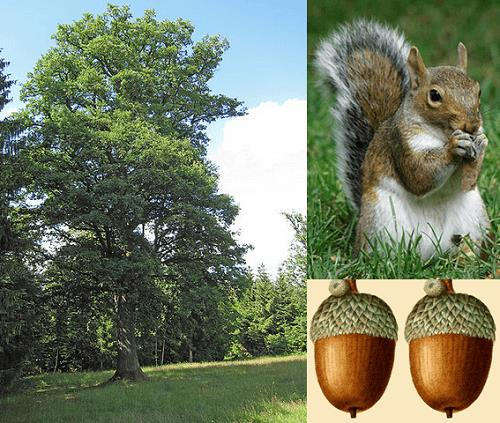
Reinforce that oak trees grow acorns which are eaten by squirrels.

Materials:

Pencil, crayons or markers, and paper.

Procedure:

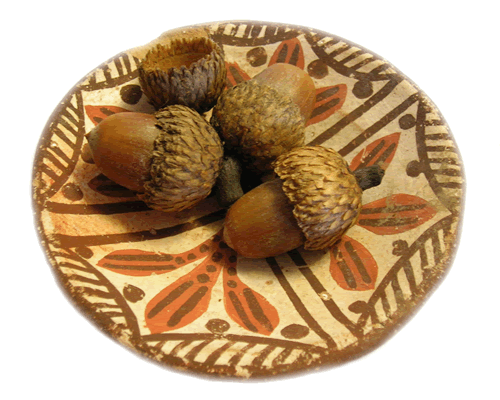
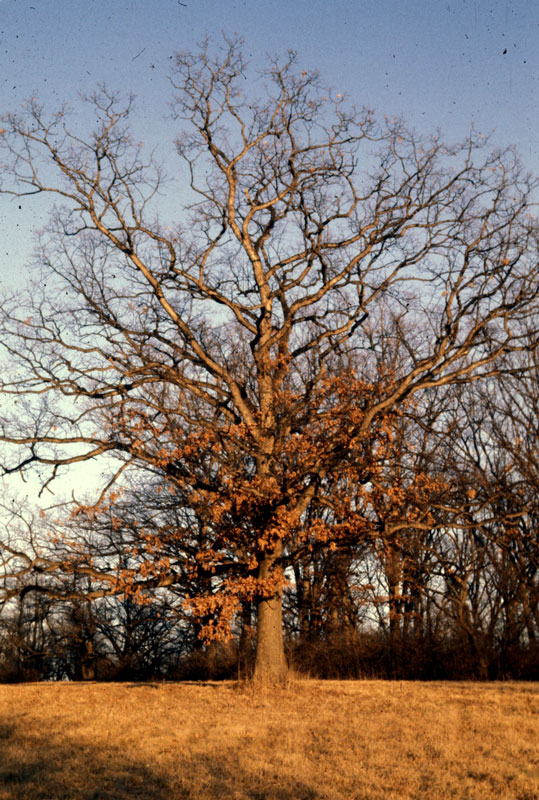
  • Examine the pictures of the oak tree, squirrel, and acorns below.
    • There is a video that may help.
  • Sketch an oak tree in the fall.
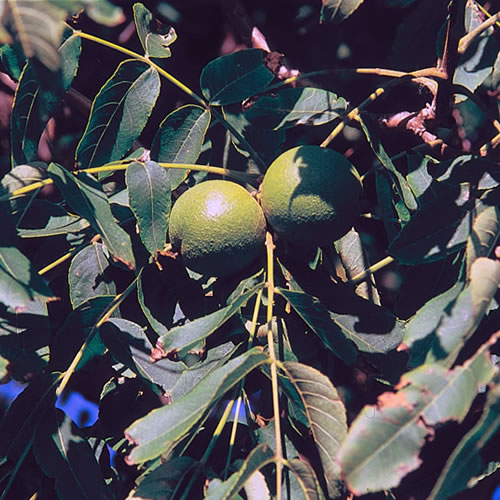
  • Unlike the green leaves in the picture, color your trees leaves yellow, orange, and red.
  • Draw nuts hanging from the tree branches and nuts on the ground around the tree.
  • Draw some squirrels eating the nuts.

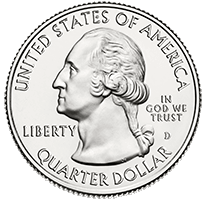
Math: US Money – The Quarter

Directions

Gather 25 pennies, 5 nickels, 2 dimes, and 3 quarters per child.

Have children complete the steps below.

Have children practice until they perfectly master each task.

STEP 1 – WHAT IS A QUARTER?

Children identify the quarter.

  • Direct the children to examine the front and back of a quarter. Ask the children to verbally describe what they see.
  • Have children hold up a penny and recite, ‘1 penny is worth 1 cent.’
  • Have children hold up a nickel and recite, ‘1 nickel is worth 5 cents.’
  • Have children hold up a dime and recite, ‘1 dime is worth 10 cents.’
  • Have children hold up a quarter and recite, ‘1 quarter is worth 25 cents.’

STEP 2 – COMBINE AND SEPARATE

Children combine and separate groups of pennies, nickels, dimes, and quarters.

  • Ask children to group 25 pennies together.
  • Tell children to move 1 quarter next to the 25 pennies. Have them recite, ‘1 quarter is worth 25 pennies.’
  • Tell children to remove the pennies and to move 5 nickels next to the quarter. Have them recite, ‘5 nickels are worth 1 quarter.’
  • Tell children to remove the nickels and to move 2 dimes and 1 nickel next to the 1 quarter. Have them recite, ‘2 dimes and 1 nickel are worth 1 quarter.’

STEP 3 – PLAY STORE

Play store with children, where children show the amount of money required to buy pretend items.

  • Give each child 1 quarter, 1 dime, 1 nickel, and 5 pennies. Say to children, ‘A pen costs 42 cents. Show me which coins you must give to the cashier.’
  • Give each child 2 quarters, 1 dime, 1 nickel, and 5 pennies. Say to children, ‘A toy boat costs 63 cents. Show me which coins you must give to the cashier.’
  • Give each child 3 quarters, 1 dime, 1 nickel, and 5 pennies. Say to children, ‘A bell pepper costs 84 cents. Show me which coins you must give to the cashier.’

Understanding Nuts: Nature’s Unique Fruits for Kids

Nuts are actually a type of fruit, defined as dry, single-seeded fruits with high oil content, usually encased in a leathery or hard outer shell. In botanical terms, a true nut has a single seed, a hard shell, and a protective husk—like chestnuts, hazelnuts, pecans, and walnuts. Peanuts and almonds, however, aren’t true nuts; peanuts are legumes, and almonds are surrounded by a fleshy coating similar to a plum. True nut or not, these tasty fruits are enjoyed by people all over the world.

Facts about nuts:

  1. Types of nuts include hazelnuts, birch nuts, chestnuts, acorns, and hickory nuts.
  2. Peanuts are not nuts. They are legumes, like peas and beans.
  3. Coconuts, almonds, macadamia, pistachio, pecan, walnuts, and cashews are also not true nuts.

Acorns

Acorns are the nuts that come from oak trees (Quercus spp.) and were once a staple food for many indigenous peoples of North America. They were especially important in California, where multiple oak species grow in the same areas.

Acorns were a great food source for Native Americans because they could be stored for many years. Photo by Teresa Prendusi.

White Oak (Quercus alba). Photo by Larry Stritch.

These hard-shelled fruits were an important food source because if properly treated in the sun, they could be stored for several years and used when needed. Acorns were stored in caches or on tall poles to protect them from being eaten by squirrels. When prepared for use in foods the ground acorn flower was rinsed in a stream to remove bitter tasting tannins.

  • Native American tribes used fire to promote the production of acorns within oak groves.
  • Ground fires were used to kill the larvae of acorn moths and acorn weevils that can prove disastrous to the acorn crop.
  • Burning occurred during the dormancy period in the soil, and the fires released nutrients bound in dead leaves and other plant debris into the soil.
  • Most North American oaks tolerate light fires, especially when consistent burning has eliminated woody fuel accumulation around their trunks.

Black Walnuts

Black Walnuts (Juglans nigra) are native to North America. The nuts are primarily used in ice cream and candy.

  • Walnut trees are notorious for inhibiting growth of other plants around them. They produce chemicals in their leaves that are leached out by rain and soak into ground around the trunk.
  • Farmers planted these trees around farm animals to keep the flies away because they erroneously believed that the trees contained insecticides.
Black walnuts (Juglans nigra) have a strong taste and a very hard shell.

Pecans

Pecans (Carya illinoinensis) are a valuable nut species native to the American Southeast. Today, they’re widely cultivated across the southeastern United States and play a big role in the region’s cuisine.

In the past, native peoples and early American settlers enjoyed pecans because they were easy to find along major waterways and much simpler to shell than other North American nuts.

Pecan (Carya illinoinensis). Photo by Jerry A. Payne, USDA Agricultural Research Service, Bugwood.org.

source: Forest Service
U.S. Department of Agriculture

Math: US Money – The Dime

Directions

Gather 100 pennies, 2 nickels, and 10 dimes per child.

Have children complete the steps below.

Have children practice until they perfectly master each task.

STEP 1 – WHAT IS A DIME?

Children identify the dime.

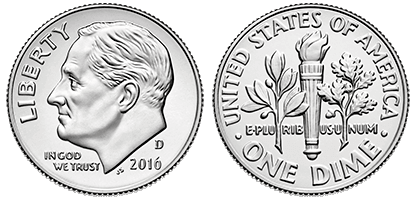
  • Direct the children to examine the front and back of a dime. Ask the children to verbally describe what they see.
  • Have children hold up a penny and recite, ‘1 penny is worth 1 cent.’
  • Have children hold up a nickel and recite, ‘1 nickel is worth 5 cents.’
  • Have children hold up a dime and recite, ‘1 dime is worth 10 cents.’

STEP 2 – COMBINE AND SEPARATE

Children combine and separate groups of pennies, nickels, and dimes.

  • Ask children to group 10 pennies together.
  • Tell children to move 2 nickels next to the 10 pennies. Have them recite, ‘2 nickels are worth 10 pennies.’
  • Tell children to move 1 dime next to the 2 nickels and 10 pennies. Have them recite, ‘1 dime is worth 2 nickels’ and ‘1 dime is worth 10 pennies.’
  • Ask children to group 25 pennies together.
  • Tell children to move two dimes and 1 nickel next to the 25 pennies. Have them recite, ‘2 dimes and 1 nickel are worth 25 pennies.’
  • Ask children to group 100 pennies together.
  • Tell children to move 10 dimes next to the 100 pennies. Have them recite, ’10 dimes are worth 100 pennies.’

STEP 3 – PLAY STORE

Play store with children, where children show the amount of money required to buy pretend items.

  • Give each child 1 dime, 1 nickel, and 5 pennies. Say to children, ‘A carrot costs 18 cents. Show me which coins must you give to the cashier.’
  • Give each child 3 dimes, 1 nickel, and 5 pennies. Say to children, ‘A plum costs 36 cents. Show me which coins must you give to the cashier.’
  • Give each child 5 dimes, 1 nickel, and 5 pennies. Say to children, ‘A pear costs 59 cents. Show me which coins must you give to the cashier.’
  • Give each child 9 dimes, 1 nickel, and 5 pennies. Say to children, ‘An orange costs 97 cents. Show me which coins must you give to the cashier.’
  • Give each child 10 dimes. Say to children, ‘A toy dinosaur costs 24 cents. Show me how many dimes you must pay to the cashier. How many pennies and nickels should the cashier give to you as change?’
  • Give each child 10 dimes. Say to children, ‘An egg costs 45 cents. Show me how many dimes you must pay to the cashier. How many pennies and nickels should the cashier give to you as change?’
  • Give each child 10 dimes. Say to children, ‘A book costs 87 cents. Show me how many dimes you must pay to the cashier. How many pennies and nickels should the cashier give to you as change?’
  • Give each child 10 dimes. Say to children, ‘A bunch of grapes costs 90 cents. Show me how many dimes you must pay to the cashier. How many pennies and nickels should the cashier give to you as change?’

Math: US Money – The Nickel

Directions

Gather 20 nickels and 100 pennies per child.

Have children complete the steps below.

Have children practice until they perfectly master each task.

STEP 1 – WHAT IS A NICKEL?

Children identify the nickel.

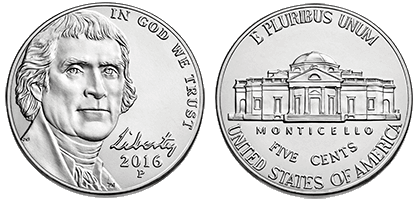
  • Direct the children to examine the front and back of a nickel. Ask the children to verbally describe what they see.
  • Have children hold up a nickel and recite, ‘1 nickel is worth 5 cents.’

STEP 2 – COMBINE AND SEPARATE

Children combine and separate groups of pennies and nickels.

  • Ask children to group 5 pennies together.
  • Tell children to move 1 nickel next to the 5 pennies. Have them recite, ‘1 nickel is worth 5 pennies.’
  • Ask children to group 10 pennies together.
  • Tell children to move 2 nickels next to the 10 pennies. Have them recite, ‘2 nickels are worth 10 pennies.’
  • Ask children to group 25 pennies together.
  • Tell children to move 5 nickels next to the 25 pennies. Have them recite, ‘5 nickels are worth 25 pennies.’
  • Ask children to group 100 pennies together.
  • Ask children to divide the 100 pennies into 4 groups of 25.
  • Tell children to move 20 nickels next to the 100 pennies. Have them recite, ’20 nickels are worth 100 pennies.’

STEP 3 – PLAY STORE

Play store with children, where children show the amount of money required to buy pretend items.

  • Give each child 2 nickels and 5 pennies. Say to children, ‘A toy ring costs 8 cents. Show me how many nickels and pennies must you give to the cashier.’
  • Give each child 5 nickels and 5 pennies. Say to children, ‘A toy monkey costs 24 cents. Show me how many nickels and pennies must you give to the cashier.’
  • Give each child 10 nickels and 5 pennies. Say to children, ‘A banana costs 42 cents. Show me how many nickels and pennies must you give to the cashier.’
  • Give each child 2 nickels. Say to children, ‘A piece of candy costs 9 cents. Show me how many nickels you must pay to the cashier. How many pennies should the cashier give to you as change?’
  • Give each child 5 nickels. Say to children, ‘A piece of candy costs 21 cents. Show me how many nickels you must pay to the cashier. How many pennies should the cashier give to you as change?’
  • Give each child 10 nickels. Say to children, ‘A piece of candy costs 47 cents. Show me how many nickels you must pay to the cashier. How many pennies should the cashier give to you as change?’
  • Give each child 20 nickels. Say to children, ‘A peach costs 87 cents. Show me how many nickels you must pay to the cashier. How many pennies should the cashier give to you as change?’

1st grade week 23 out of 36

Subscribe to continue reading

Subscribe to get access to the rest of this post and other subscriber-only content.