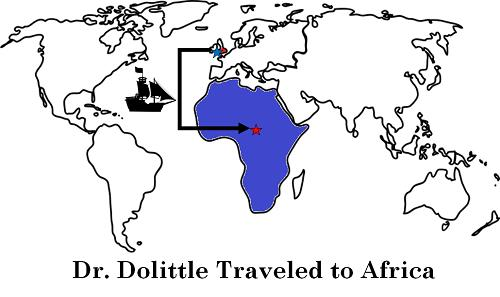
“The Story of Doctor Dolittle” by Hugh Lofting is a children’s novel published in 1920. When a kindly physician learns to speak with animals, he abandons his failing medical practice to become a veterinarian. His new calling leads him on an extraordinary voyage to Africa to cure a monkey epidemic. Along the way, he faces shipwrecks, imprisonment, pirates, and exotic creatures—including the rare pushmi-pullyu. This tale of adventure and animal communication became the first in a beloved series, though it has sparked controversy for its colonial-era themes.
Warning to Parents: Chapters 11 and 12 of the original Dr. Dolittle contain objectionable content. These chapters were modernized by Under the Home, but the Gutenberg link on the textbook page leads to an original copy of Dr. Dolittle with the objectionable content.
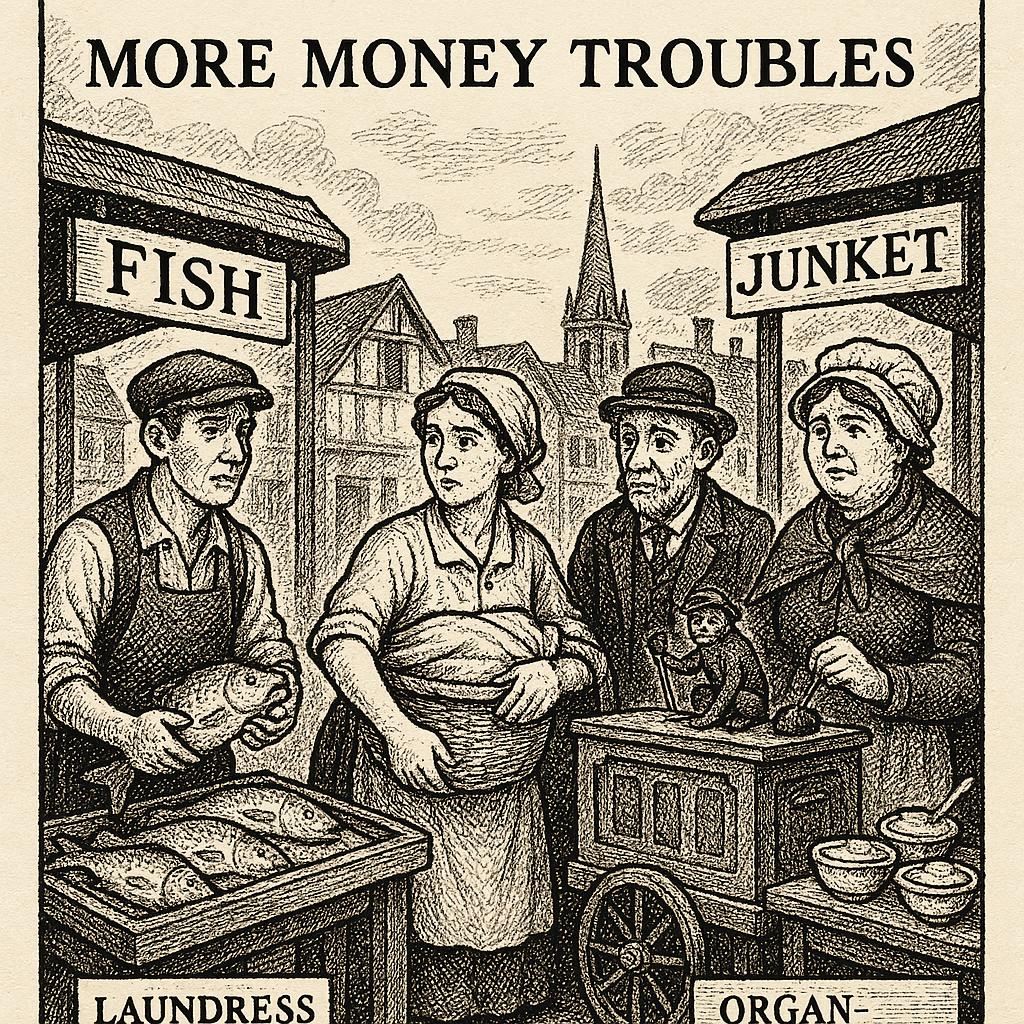
VII The Bridge of Apes VIII The Leader of the Lions IX The Monkeys’ Council X The Rarest Animal of All XI The Black Prince XII Medicine and Magic XIII Red Sails and Blue Wings XIV The Rats’ Warning XV The Barbary Dragon XVI Too-Too, the Listener XVII The Ocean Gossips XVIII Smells XIX The Rock XX The Fisherman’s Town XXI Home Again
Nuts are actually a type of fruit, defined as dry, single-seeded fruits with high oil content, usually encased in a leathery or hard outer shell. In botanical terms, a true nut has a single seed, a hard shell, and a protective husk—like chestnuts, hazelnuts, pecans, and walnuts. Peanuts and almonds, however, aren’t true nuts; peanuts are legumes, and almonds are surrounded by a fleshy coating similar to a plum. True nut or not, these tasty fruits are enjoyed by people all over the world.
Facts about nuts:
Types of nuts include hazelnuts, birch nuts, chestnuts, acorns, and hickory nuts.
Peanuts are not nuts. They are legumes, like peas and beans.
Coconuts, almonds, macadamia, pistachio, pecan, walnuts, and cashews are also not true nuts.
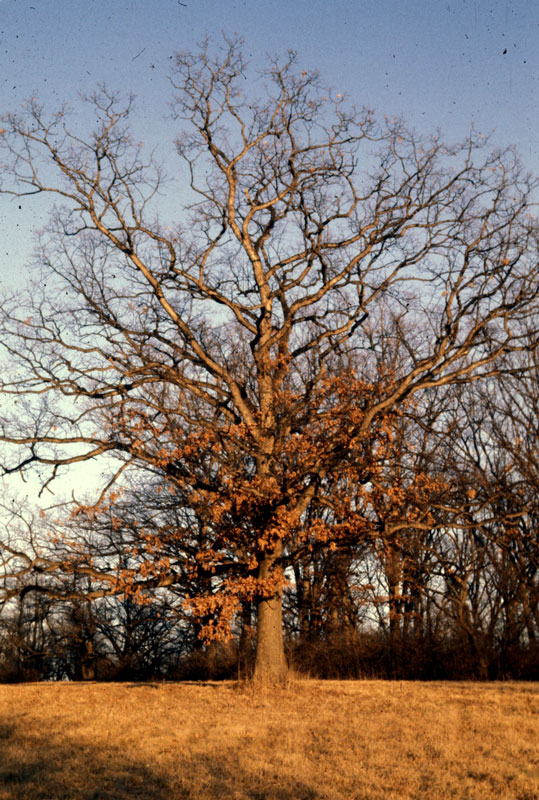
Acorns
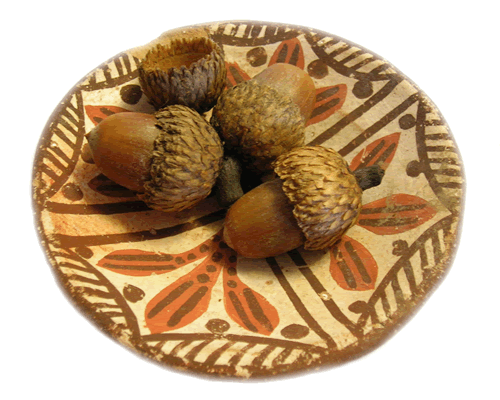
Acorns are the nuts that come from oak trees (Quercus spp.) and were once a staple food for many indigenous peoples of North America. They were especially important in California, where multiple oak species grow in the same areas.
Acorns were a great food source for Native Americans because they could be stored for many years. Photo by Teresa Prendusi.
White Oak (Quercus alba). Photo by Larry Stritch.
These hard-shelled fruits were an important food source because if properly treated in the sun, they could be stored for several years and used when needed. Acorns were stored in caches or on tall poles to protect them from being eaten by squirrels. When prepared for use in foods the ground acorn flower was rinsed in a stream to remove bitter tasting tannins.
Native American tribes used fire to promote the production of acorns within oak groves.
Ground fires were used to kill the larvae of acorn moths and acorn weevils that can prove disastrous to the acorn crop.
Burning occurred during the dormancy period in the soil, and the fires released nutrients bound in dead leaves and other plant debris into the soil.
Most North American oaks tolerate light fires, especially when consistent burning has eliminated woody fuel accumulation around their trunks.
Black Walnuts
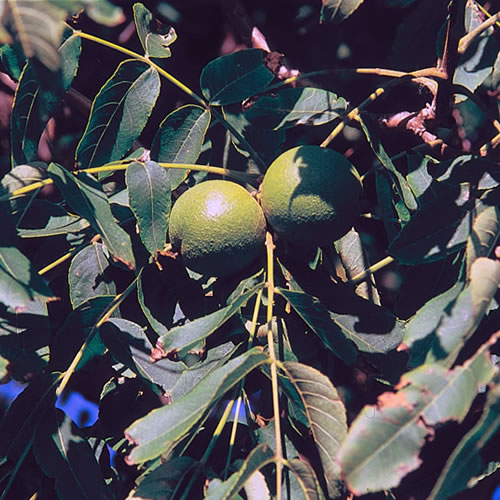
Black Walnuts (Juglans nigra) are native to North America. The nuts are primarily used in ice cream and candy.
Walnut trees are notorious for inhibiting growth of other plants around them. They produce chemicals in their leaves that are leached out by rain and soak into ground around the trunk.
Farmers planted these trees around farm animals to keep the flies away because they erroneously believed that the trees contained insecticides.
Black walnuts (Juglans nigra) have a strong taste and a very hard shell.
Pecans
Pecans (Carya illinoinensis) are a valuable nut species native to the American Southeast. Today, they’re widely cultivated across the southeastern United States and play a big role in the region’s cuisine.
In the past, native peoples and early American settlers enjoyed pecans because they were easy to find along major waterways and much simpler to shell than other North American nuts.
Pecan (Carya illinoinensis). Photo by Jerry A. Payne, USDA Agricultural Research Service, Bugwood.org.
Food is considered clean or unclean for eating. Food that is kosher is considered clean (fitting for eating).
God gave these food laws as a means of separating His people from the pagans. This obedience to these laws was a matter of Holiness.
Leviticus 11:46-47
This is the law of the beasts, and of the fowl, and of every living creature that moveth in the waters, and of every creature that creepeth upon the earth:
To make a difference between the unclean and the clean, and between the beast that may be eaten and the beast that may not be eaten.
Leviticus 10:9-10
And that ye may put difference between holy and unholy,and between unclean and clean;
Deuteronomy 14:2-3
For thou art an holy people unto the Lord thy God, and the Lord hath chosen thee to be a peculiar people unto himself, above all the nations that are upon the earth.
Thou shalt not eat any abominable thing.
Deuteronomy 14:21
Ye shall not eat of anything that dieth of itself: thou shalt give it unto the stranger that is in thy gates, that he may eat it; or thou mayest sell it unto an alien: for thou art an holy people unto the Lord thy God. Thou shalt not seethe a kid in his mother’s milk.
Here is a summary of the Laws.
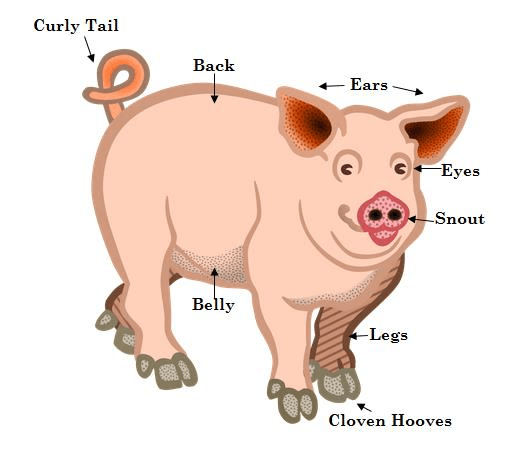
Of the “beasts of the earth” (which basically refers to land mammals with the exception of swarming rodents), you may eat any animal that has cloven hooves and chews its cud. Lev. 11:3; Deut. 14:6. Any land mammal that does not have both of these qualities is forbidden.
Not Allowed
Allowed
Camel
Cattle
Rabbit/ Hare
Sheep
Pig
Goats
Dog
Deer
cat
Bison
Of the things that are in the waters, you may eat anything that has fins and scales. Lev. 11:9; Deut. 14:9.
Not Allowed
Allowed
lobsters
tuna
shrimp
carp
clams
salmon
crabs
herring
For birds, the criteria are less clear. The Torah provides a list of forbidden birds (Lev. 11:13‑19; Deut. 14:11‑18) but does not specify why these particular birds are forbidden. All of the birds on the list are birds of prey or scavengers, thus the rabbis inferred that this was the basis for the distinction. Other birds are permitted, such as chicken, geese, ducks and turkeys. However, some people avoid turkey, because it is was unknown at the time of the giving of the Torah, leaving room for doubt.
Of the “winged swarming things” (winged insects), a few are specifically permitted (Lev. 11:22), but the Sages are no longer certain which ones they are, so all have been forbidden. There are communities that have a tradition about what species are permitted, and in those communities some insects are eaten.
Rodents, reptiles, amphibians, and insects (except as mentioned above) are all forbidden. Lev. 11:29‑30, 42‑43.
Any product derived from these forbidden animals, such as their milk, eggs, fat, or organs, also cannot be eaten. Rennet, an enzyme used to harden cheese, is often obtained from non‑kosher animals, thus kosher hard cheese can be difficult to find.
Today we are still called to be Holy.
1 Peter 1:15-16
But as he which hath called you is holy, so be ye holy in all manner of conversation;
Because it is written, Be ye holy; for I am holy.
“Manner of conversation” is a phrase:
STRONGS G391:ἀναστροφή, -ῆς, ἡ, (from the passive ἀναστρέφομαι, see the preceding word), properly, ‘walk,’ i. e. manner of life, behavior, conduct
“The Story of Doctor Dolittle” by Hugh Lofting is a children’s novel published in 1920. When a kindly physician learns to speak with animals, he abandons his failing medical practice to become a veterinarian. His new calling leads him on an extraordinary voyage to Africa to cure a monkey epidemic. Along the way, he faces shipwrecks, imprisonment, pirates, and exotic creatures—including the rare pushmi-pullyu. This tale of adventure and animal communication became the first in a beloved series, though it has sparked controversy for its colonial-era themes.
Warning to Parents: Chapters 11 and 12 of the original Dr. Dolittle contain objectionable content. These chapters were modernized by Under the Home, but the Gutenberg link on the textbook page leads to an original copy of Dr. Dolittle with the objectionable content.
VI Polynesia and the King VII The Bridge of Apes VIII The Leader of the Lions IX The Monkeys’ Council X The Rarest Animal of All XI The Black Prince XII Medicine and Magic XIII Red Sails and Blue Wings XIV The Rats’ Warning XV The Barbary Dragon XVI Too-Too, the Listener XVII The Ocean Gossips XVIII Smells XIX The Rock XX The Fisherman’s Town XXI Home Again
Jesus spent the night in Prayer before he was crucified. Here are three of the things that He prayed about before being betrayed.
The High Priestly Prayer
found in John 17:12
When Jesus had spoken these things, He raised His eyes to heaven [in prayer] and said, “Father, the hour has come. Glorify Your Son, so that Your Son may glorify You. Just as You have given Him power and authority over all mankind, [now glorify Him] so that He may give eternal life to all whom You have given Him [to be His—permanently and forever]. Now this is eternal life: that they may know You, the only true [supreme and sovereign] God, and [in the same manner know] Jesus [as the] Christ whom You have sent. I have glorified You [down here] on the earth by completing the work that You gave Me to do. Now, Father, glorify Me together with Yourself, with the glory and majesty that I had with You before the world existed.
“I have manifested Your name [and revealed Your very self, Your real self] to the people whom You have given Me out of the world; they were Yours and You gave them to Me, and they have kept and obeyed Your word. Now [at last] they know [with confident assurance] that all You have given Me is from You [it is really and truly Yours]. For the words which You gave Me I have given them; and they received and accepted them and truly understood [with confident assurance] that I came from You [from Your presence], and they believed [without any doubt] that You sent Me. I pray for them; I do not pray for the world, but for those You have given Me, because they belong to You; and all things that are Mine are Yours, and [all things that are] Yours are Mine; and I am glorified in them. I am no longer in the world; yet they are still in the world, and I am coming to You. Holy Father, keep them in Your name, the name which You have given Me, so that they may be one just as We are. While I was with them, I was keeping them in Your name which You have given Me; and I guarded them and protected them, and not one of them was lost except the son of destruction, so that the Scripture would be fulfilled.
The Disciples in the World
found in John 17:13-21
But now I am coming to You; and I say these things [while I am still] in the world so that they may experience My joy made full and complete and perfect within them [filling their hearts with My delight]. I have given to them Your word [the message You gave Me]; and the world has hated them because they are not of the world and do not belong to the world, just as I am not of the world and do not belong to it. I do not ask You to take them out of the world, but that You keep them and protect them from the evil one. They are not of the world, just as I am not of the world. Sanctify them in the truth [set them apart for Your purposes, make them holy]; Your word is truth. Just as You commissioned and sent Me into the world, I also have commissioned and sent them (believers) into the world. For their sake I sanctify Myself [to do Your will], so that they also may be sanctified [set apart, dedicated, made holy] in [Your] truth.
“I do not pray for these alone [it is not for their sake only that I make this request], but also for [all] those who [will ever] believe and trust in Me through their message, that they all may be one; just as You, Father, are in Me and I in You, that they also may be one in Us, so that the world may believe [without any doubt] that You sent Me.
Their Future Glory
John 17:22-26
I have given to them the glory and honor which You have given Me, that they may be one, just as We are one; I in them and You in Me, that they may be perfected and completed into one, so that the world may know [without any doubt] that You sent Me, and [that You] have loved them, just as You have loved Me. Father, I desire that they also, whom You have given to Me [as Your gift to Me], may be with Me where I am, so that they may see My glory which You have given Me, because You loved Me before the foundation of the world.
“O just and righteous Father, although the world has not known You and has never acknowledged You [and the revelation of Your mercy], yet I have always known You; and these [believers] know [without any doubt] that You sent Me; and I have made Your name known to them, and will continue to make it known, so that the love with which You have loved Me may be in them [overwhelming their heart], and I [may be] in them.”
Weather has been around since God created weather.
Genesis 1:14-15
And God said, “Let there be lights in the expanse of the heavens to separate the day from the night. And let them be for signs and for seasons, and for days and years, and let them be lights in the expanse of the heavens to give light upon the earth.” And it was so.
Notice that God created the lights in the expanse of the heavens for a few reasons:
separation of day and night
signs
seasons
to be used as a calendar (for days and years)
to give light upon the earth
In the book of Genesis after Noah, Noah’s family, and the animals leave the ark, God reiterates the order and idea of a natural cycle of seasons.
Genesis 8:22
While the earth remains, seedtime and harvest, cold and heat, summer and winter, day and night, shall not cease.”
God used the weather to demonstrate His power, for reward to those who obey, and for punishment to those who disobey. Below are sone scriptures illustrating the various demonstrations.
Psalms 148:7-8 ESV
Praise the Lord from the earth, you great sea creatures and all deeps,
fire and hail, snow and mist, stormy wind fulfilling his word!
Jeremiah 10:12-13 ESV
It is he who made the earth by his power, who established the world by his wisdom, and by his understanding stretched out the heavens. When he utters his voice, there is a tumult of waters in the heavens, and he makes the mist rise from the ends of the earth. He makes lightning for the rain, and he brings forth the wind from his storehouses.
Leviticus 26:4 ESV
Then I will give you your rains in their season, and the land shall yield its increase, and the trees of the field shall yield their fruit.
Nahum 1:3 ESV
The Lord is slow to anger and great in power, and the Lord will by no means clear the guilty. His way is in whirlwind and storm, and the clouds are the dust of his feet.
Job 37:9 ESV
From its chamber comes the whirlwind, and cold from the scattering winds.
Luke 21:11 ESV
There will be great earthquakes, and in various places famines and pestilences. And there will be terrors and great signs from heaven.
Jonah 1:4 ESV
But the Lord hurled a great wind upon the sea, and there was a mighty tempest on the sea, so that the ship threatened to break up.
James 5:17-18 ESV
Elijah was a man with a nature like ours, and he prayed fervently that it might not rain, and for three years and six months it did not rain on the earth. Then he prayed again, and heaven gave rain, and the earth bore its fruit.
Isaiah 29:6 ESV
You will be visited by the Lord of hosts with thunder and with earthquake and great noise, with whirlwind and tempest, and the flame of a devouring fire.
Amos 4:7 ESV
“I also withheld the rain from you when there were yet three months to the harvest; I would send rain on one city, and send no rain on another city; one field would have rain, and the field on which it did not rain would wither;
Deuteronomy 28:24 ESV
The Lord will make the rain of your land powder. From heaven dust shall come down on you until you are destroyed.
1 Samuel 12:18 ESV
So, Samuel called upon the Lord, and the Lord sent thunder and rain that day, and all the people greatly feared the Lord and Samuel.
Haggai 1:11 ESV
And I have called for a drought on the land and the hills, on the grain, the new wine, the oil, on what the ground brings forth, on man and beast, and on all their labors.”
1 Kings 8:35-36 ESV
“When heaven is shut up and there is no rain because they have sinned against you, if they pray toward this place and acknowledge your name and turn from their sin, when you afflict them, then hear in heaven and forgive the sin of your servants, your people Israel, when you teach them the good way in which they should walk, and grant rain upon your land, which you have given to your people as an inheritance.
Luke 21:25 ESV
“And there will be signs in sun and moon and stars, and on the earth distress of nations in perplexity because of the roaring of the sea and the waves,
Mark 4:39-41 ESV
And he awoke and rebuked the wind and said to the sea, “Peace! Be still!” And the wind ceased, and there was a great calm. He said to them, “Why are you so afraid? Have you still no faith?” And they were filled with great fear and said to one another, “Who then is this, that even the wind and the sea obey him?”
Luke 8:23-25 ESV
And as they sailed he fell asleep. And a windstorm came down on the lake, and they were filling with water and were in danger. And they went and woke him, saying, “Master, Master, we are perishing!” And he awoke and rebuked the wind and the raging waves, and they ceased, and there was a calm. He said to them, “Where is your faith?” And they were afraid, and they marveled, saying to one another, “Who then is this, that he commands even winds and water, and they obey him?
Matthew 8:26 ESV
And he said to them, “Why are you afraid, O you of little faith?” Then he rose and rebuked the winds and the sea, and there was a great calm.
Psalm 107:29 ESV
He made the storm be still, and the waves of the sea were hushed.
Job 36:27-28 ESV
For he draws up the drops of water; they distill his mist in rain, which the skies pour down and drop on mankind abundantly.
It does not matter how good scientist think they are. They can try to control the weather. That will not happen. Instead, it will do what God commands and allows.
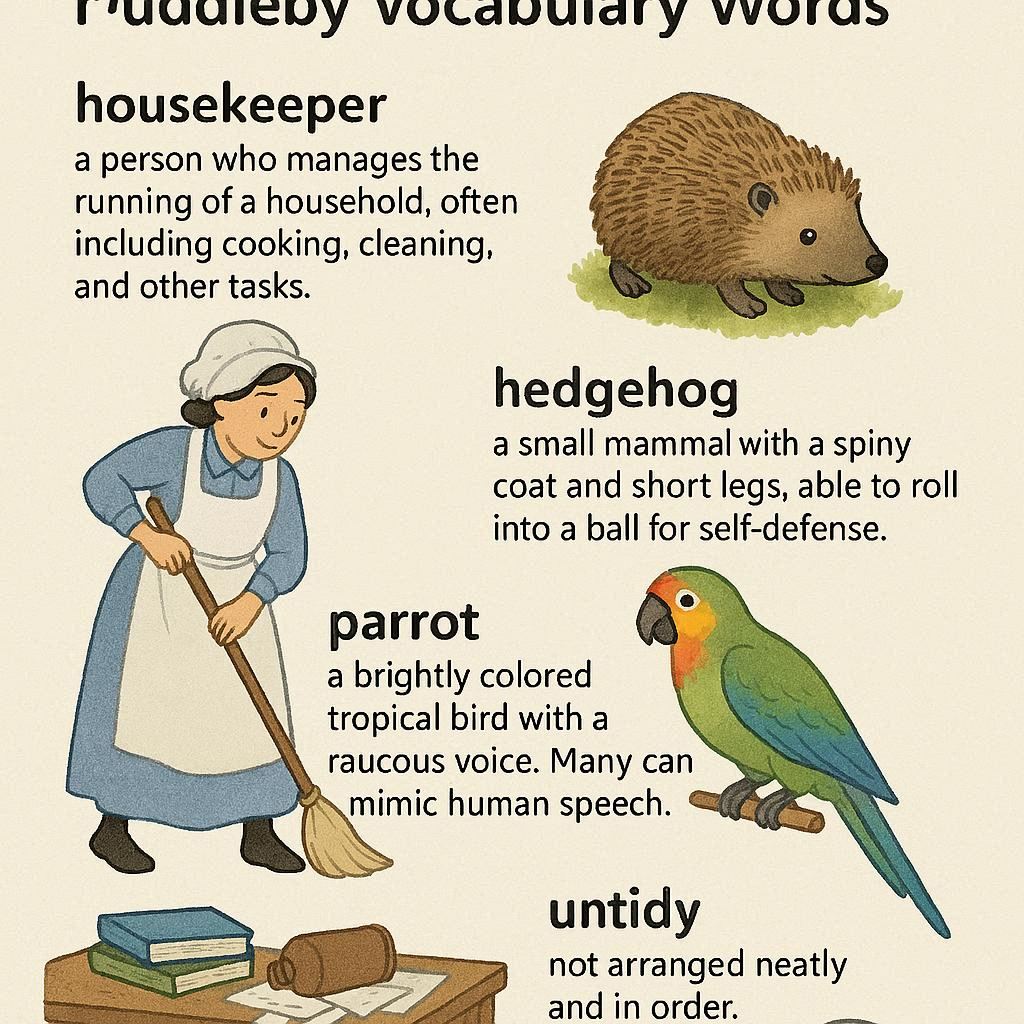
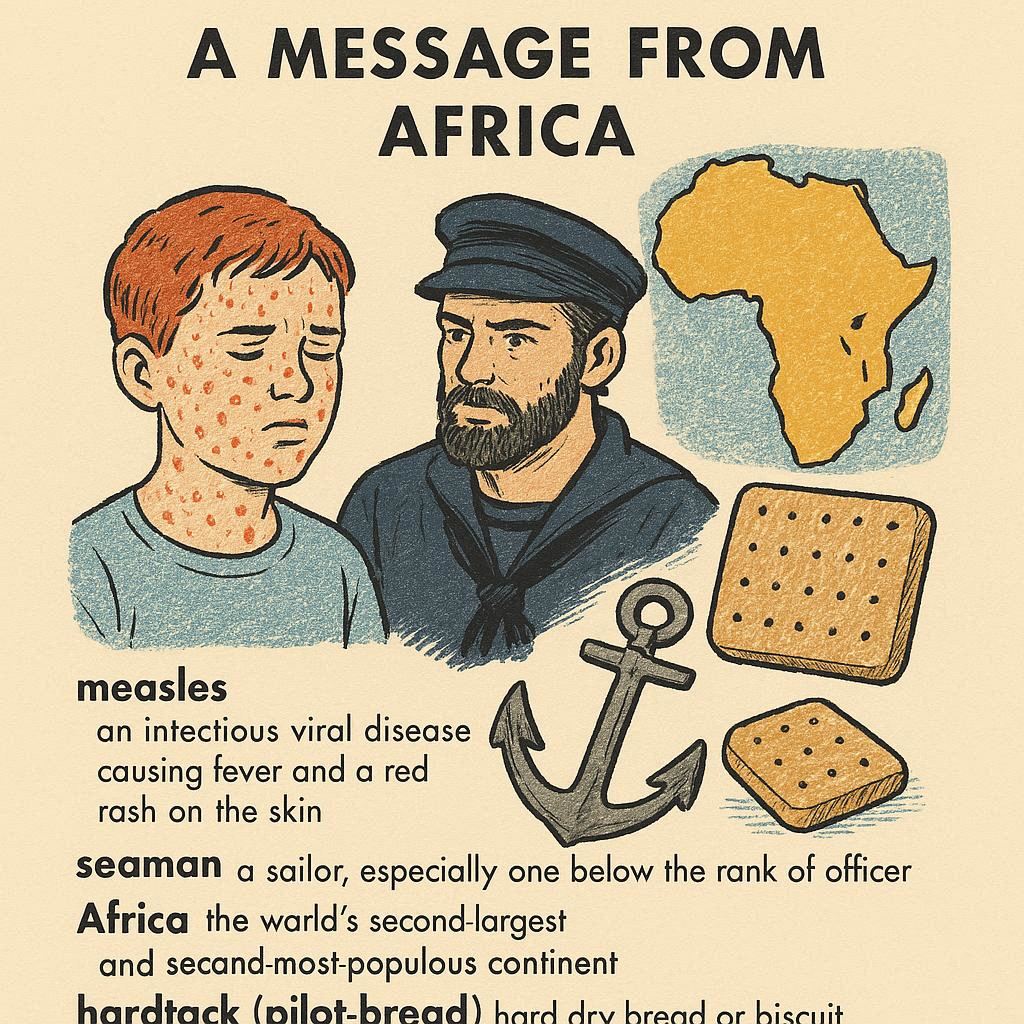
Veterinarian: A person qualified to treat diseased or injured animals. Spectacles: Glasses. Plow-horse: A horse used to pull a plow, a large bladed farming implement used to turn soil over in preparation for the planting of seeds. Polynesia: A subregion containing 1000 southern Pacific Ocean islands. Acre: A unit of land area.
The egg is cracked into a cup or bowl of any size, and then gently slid into a pan of water at approximately 62 °C (144 °F) and cooked until the egg white has mostly solidified, but the yolk remains soft.
Directions:
Break each egg into a small bowl.
Submerging the lip of the bowl into the simmering water, gently add the eggs, one at a time.
Add salt and pepper to taste.
Cook for 4 minutes for soft set, 5 minutes for medium set and 8 minutes for hard set.
Using a slotted spoon, transfer the eggs to a clean dish towel to drain for a minute. (Unless you have put the egg in soup, then leave it in).
“To the angel (divine messenger) of the church in Sardis write:
“These are the words of Him who has the seven Spirits of God and the seven stars:
‘I know your deeds; you have a name (reputation) that you are alive, but [in reality] you are dead.
Wake up, and strengthen and reaffirm what remains [of your faithful commitment to Me], which is about to die;
for I have not found [any of] your deeds completed in the sight of My God or meeting His requirements.
So, remember and take to heart the lessons you have received and heard. Keep and obey them, and repent [change your sinful way of thinking, and demonstrate your repentance with new behavior that proves a conscious decision to turn away from sin].
So then, if you do not wake up, I will come like a thief, and you will not know at what hour I will come to you.
But you [still] have a few people in Sardis who have not soiled their clothes [that is, contaminated their character and personal integrity with sin]; and they will walk with Me [dressed] in white,
because they are worthy (righteous).
He who overcomes [the world through believing that Jesus is the Son of God] will accordingly be dressed in white clothing; and I will never blot out his name from the Book of Life, and I will confess and openly acknowledge his name before My Father and before His angels [saying that he is one of Mine].
He who has an ear, let him hear and heed what the Spirit says to the churches.’
Some History about Sardis
It is in modern Sart, Turkey.
In Roman times, was a wealthy city known for the manufacture and dyeing of woolen fabric and carpets.
Originally, it was the capital of the ancient Lydian Empire and was the first city to mint coinage (600 b.c.).
A stream that flowed through its marketplace carried gold dust from a nearby mountain.
King Croesus of Lydia (560-546 b.c.) financed the building of the great Temple of Artemis in Ephesus (550 b.c.).
The city was conquered twice, under Cyrus the Great and under Antiochus, due to lack of adequate watchfulness.
The chief idol deity was the goddess Artemis.
Artemis was worshipped as the mother goddess.
Sardis was destroyed by an earthquake in 17 AD. It was later rebuilt.
This city was known for its lack of watchfulness. It was conquered not once, but twice for the same reason. In the letter sent to the church, Jesus is telling them to wake up and pay attention. They think that they are good, but destruction is just around the corner, spiritually speaking. Most are already dead spiritually, some are just before dying spiritually, and a few are righteous. However, according to their reputation they are alive and doing well. This is similar what Jesus was trying to say to the pharisees.
“Woe to you, [self-righteous] scribes and Pharisees, hypocrites! For youare like whitewashed tombs which look beautiful on the outside, but inside arefullofdead men’s bones and everything unclean.
Don’t be self-righteous. Instead, remember and take to heart the lessons you have received and heard. Keep and obey them, and repent [change your sinful way of thinking, and demonstrate your repentance with new behavior that proves a conscious decision to turn away from sin].
Remember that spiritual deadness is the same as if you are not saved. To be saved means to be alive spiritually. Take a good hard look at yourself. Remember that if you judge yourself, God doesn’t have to.
1 Corinthians 11:31-32 amp
But if we evaluated and judged ourselves honestly [recognizing our shortcomings and correcting our behavior], we would not be judged.
But when we [fall short and] are judged by the Lord, we are disciplined [by undergoing His correction] so that we will not be condemned [to eternal punishment] along with the world.





 articlesforchristians