A place to grow your relationship with God

Archive for the ‘Uncategorized’ Category

The Science of Illness: Bacteria, Viruses, and Health Tips for Children

Why do we get sick?

Facts about sickness:

  1. Sicknesses are infectious when they spread from person to person.
  2. Colds and flus are illnesses caused by viruses, which are so tiny that they can only be seen with special tools called microscopes.
  3. Food poisoning and strep throat are illnesses caused by bacteria. While bacteria are bigger than viruses, they’re still tiny and can’t be seen without a microscope. Doctors might prescribe antibiotics to fight bacterial infections, but these medicines don’t work on viruses.
  4. We can help to prevent sickness by washing our hands, especially after using the restroom.
  5. Many bacteria are helpful to people. For example, we use bacteria to turn milk into yogurt and cheese.
  6. There are millions of benign (not harmful) and helpful bacteria living on your skin right now. Even more bacteria live inside you. But don’t worry. These bacteria are harmless and many are even helpful.

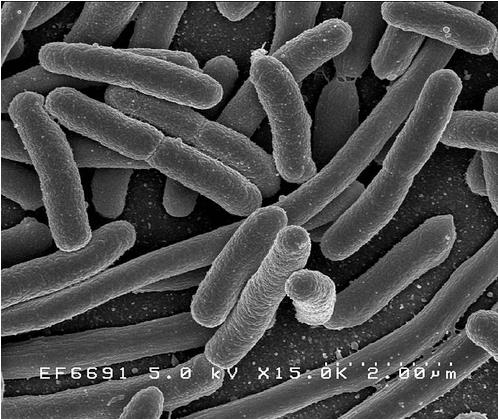
Look at the pictures below. One picture shows an example of bacteria. The other picture shows an example of viruses.

The picture shows many bacteria. It was taken using a special tool, an electron microscope.
Diagram of the families of viruses that include human, animal and zoonotic pathogens.

Would you like to see pictures of other viruses? Click here.

The Importance of Knowing Your Christian Faith

It is important to know what you believe and why you believe it. If you don’t know why you believe what you believe, it is impossible to give an answer about what you believe.

  • 2 Timothy 4:2 (amp)
    • preach the word [as an official messenger]; be ready when the time is right and even when it is not [keep your sense of urgency, whether the opportunity seems favorable or unfavorable, whether convenient or inconvenient, whether welcome or unwelcome]; correct [those who err in doctrine or behavior], warn [those who sin], exhort and encourage [those who are growing toward spiritual maturity], with inexhaustible patience and [faithful] teaching. 
  • 1 Peter 3:15
    • But in your hearts set Christ apart [as holy—acknowledging Him, giving Him first place in your lives] as Lord. Always be ready to give a [logical] defense to anyone who asks you to account for the hope and confident assurance [elicited by faith] that is within you, yet [do it] with gentleness and respect. 

Here are some important Christian Beliefs with an explanation for the belief. More will be added soon. If you have a genuine question about a Christian Belief, leave the question in the comments. I will write an answer and post it as soon as possible.

The Life and Works of Jemima Thompson Luke

Luke, Jemima Thompson, the wife of Rev. Samuel Luke, an Independent minister of England, was the daughter of Thomas Thompson. She was born August 19, 1813, at Colebrooke Terrace, Islington. When only thirteen years of age she began writing for the Juvenile Magazine. She published a volume titled The Female Jesuit in 1851 and A Memoir of Eliza Ann Harris, of Clifton, in 1859, but her name is known to the Christian world almost wholly through the one hymn found in this volume, I think when I read that sweet story of old. She was married to the late Samuel Luke, a Congregational Minister, in 1843. Mrs. Luke died February 2, 1906.


Poems:

Exploring Noah’s Descendants and Their Modern Connections

Noah had three sons. From those three sons all of the nations of the world came from. Here is a list of the sons of Noah, where they settled, and some of their descendants.

The Descendants of Japhet

Son’s NameThe Modern Land Area of Nations (People groups)
GomerThe Land of Germany in Europe
MagogDwellers north of the Black Sea
MadaiMedes in the Northwest of Iran
JavanSome of the original Greek tribes
TubalRegions of Spain and Portugal
MeshechRussia, especially regions in and around Georgia
TirasThe Persians and the area of Iran
Son of JaphetGrandsons of Japhet
Gomer1. Ashken
2. Riphath
3. Togarmah
Magog?
Madai?
Javan1. Elishah
2. Tarshish
3. Kittim
4. Dodanim
Tubal?
Meshech?
Tiras?

The Descendants of Ham

Son’s NameModern Land Areas or Nations (People Groups)
CushSouth of Egypt in northern Africa
MizraimAreas of upper and lower Egypt
PhutLibya
CanaanAncient land of Israel and Lebanon
Sons Of HamGrandsons of Ham
Cush1. Seba
2. Havilah
3. Sabtah
4. Raamah (had 2 sons: Sheba and Dedan)
5. Sabtecha
6. Nimrod (lived in babel which is the area of Babylon)
Mizraim1. Ludim
2. Anamim
3. Lehabim
4. Naphtuhim
5. Pathrusim
6. Casluhim (The Philistines descended from him)
7. Caphtorim
Phut?
Canaan (the father of the various groups that the Israelites had to fight to possess the promise land)1. Sidon
2. Heth
3. Jebusite
4. Amorite
5. Girgasite
6. Hivite
7. Arkite
8. Sinite
9. Aradite
10. Zemarite
11. Hamathite

The Descendants of Shem

Sons of ShemModern Land area or Nations (people groups)
ElamConsidered part of Iran
AshurAssyria, which is Syria today
ArphaxadThe banks of the Euphrates, Turkey, and Iraq
LudAncient people living in Iraq
AramThe region of Syria and Lebanon
Sons of ShemGrandsons of Shem
Elam?
Ashur?
Arphaxad1. Salah (the father of Eber)
Lud?
Aram1. Uz
2. Hul
3. Gether
4. Mash

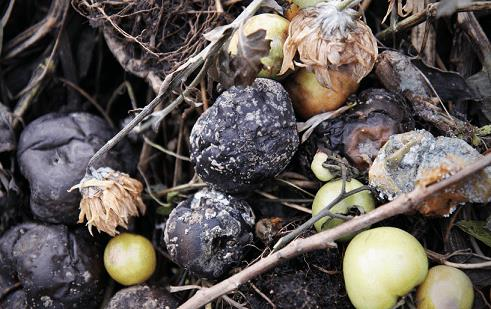
Understanding the Rotting Process in Fruits and Vegetables

What is rotting?

  1. If you leave a piece of fruit or a vegetable on the counter for too long, it will change color and develop an unpleasant odor.
  2. A fuzzy substance known as mold can grow on fruits or vegetables.
  3. This process is called rotting.

Why do things rot?

  1. When a farmer removes fruits or vegetables from their plants, they start to die immediately.
  2. All living things are made of small units called cells. As the fruits and vegetables die, their cells start to break down.
  3. Tiny microorganisms called bacteria, molds, and yeasts floating in the air land on the fruit and begin to further break down the fruit or vegetable.
  4. Moisture (water), light, temperature, and microorganisms work together to speed spoiling process.

How can we prevent things from rotting?

  1. Keeping foods in the refrigerator slows the spoiling process (less moisture, fewer microorganisms, less light, colder temperature), but food will eventually spoil.
  2. Keeping foods in the freezer at even colder temperatures slows the spoiling process even more.
  3. Never eat rotten food. It might make you sick. Rotten food may small bad, be a strange color, or have fuzzy mold spots on it.

Pee Yew! That’s Rotten!

Objective:

Observe the rotting process.

Materials:

Fruit, small dish

Procedure:

  • Leave a small chunk of fruit or vegetable out on the countertop in a small dish.
  • Observe the dish after a few hours and draw a picture of what you see.
  • Observe the dish after a day and draw a picture of what you see.
  • Observe the dish each subsequent day over the next week and draw a picture of what you see.

Results:

  • What changes did you observe over the week?
  • How long does it take for the fruit or vegetable to rot?

The Role of Fire in Human History and Modern Life

Fire is a reaction between oxygen, and a fuel, such as wood or gas, and it also needs heat to start. Most fires are combustion reactions, which occur when elements like carbon, hydrogen, and oxygen mix and react quickly. There are various types of fires, including wood fires, gas fires, and even metal fires, and they can be extremely dangerous if not managed properly.

  1. Fire is a reaction that produces heat and light.
  2. Fire produces red, orange, yellow, white, and blue flames that we can see, where red is the coolest and blue is the hottest.
  3. Fire is very dangerous. Children should never play with fire and should only be around fires when responsible adults are present.

The Fire Triangle

Fire needs three things to burn: oxygen, fuel, and heat. This is often called the “fire triangle.”

  • Fuel: This is anything that can burn, like wood, coal, or oil.
  • Oxygen: Fire needs oxygen from the air to keep burning.
  • Heat: Once a fire starts, it creates its own heat, which helps it keep burning.

If you take away any one of these three things, the fire will stop.

Stopping a Fire

You can stop a fire in three main ways:

  • Remove the fuel: If a fire runs out of things to burn, it will stop. Firefighters sometimes remove trees or buildings in a fire’s path to stop it from spreading.
  • Remove the oxygen: This is called “smothering” a fire. If you cover a fire with something that blocks oxygen, like sand or a special blanket, it will go out. Fires cannot burn without oxygen.
  • Remove the heat: The most common way to do this is by using water. Water absorbs the heat, cooling the fire down until it stops burning.

However, some fires, like those involving certain metals, can be tricky. For example, magnesium fires can even burn in carbon dioxide, so they can’t be smothered with a regular fire extinguisher.

Humans and Fire

Learning to control fire was a huge step for early humans. It changed their lives in many ways:

  • Cooking: Fire allowed people to cook food. This made food safer to eat and easier to digest.
  • Warmth: Fire provided heat, helping people stay warm in cold weather. This meant they could live in cooler places.
  • Protection: Fire helped keep dangerous animals away at night.
  • Tools: Over time, humans learned to use fire to make charcoal and manage the land.

Fire in Farming

During the Neolithic Revolution, as people began farming, they used fire to manage the land. They conducted “controlled burns” or “cool fires,” which were unlike the destructive “hot fires” that ruin soil and plants. Cool fires were typically done in spring and autumn to clear small plants and dry leaves. This practice helped prevent large, dangerous fires and created diverse environments where plants and animals could thrive.

Farmers often use fire to clear land for planting in a method called “slash-and-burn” agriculture. They cut down vegetation and burn it, releasing nutrients into the soil to help new crops grow. While this can benefit small farmers, it also has downsides. With growing populations and a warming climate, these fires can become uncontrollable, harming nature, destroying buildings, and producing smoke that causes health issues and further warms the atmosphere. Each year, vast areas of land around the world are burned.

Modern Uses of Fire

Fire is still used in many important ways today.

  • Vehicles: Most cars and trucks use fire inside their engines to make them move. This happens in the internal combustion engine.
  • Electricity: Many power plants use fire to heat water and create steam, which then generates electricity for homes and businesses.

Source Kids Encyclopedia Facts
Letting Go of the Past: A Guide to Philippians 3:13-14

Philippians 3:13-14 Brethren, I count not myself to have apprehended: but this one thing I do, forgetting those things which are behind, and reaching forth unto those things which are before, I press toward the mark for the prize of the high calling of God in Christ Jesus.

This is often times a difficult passage to understand especially the “forgetting those things which as behind” part. It is not possible to forget completely. I don’t believe that we are meant as human beings to completely forget. However, it is possible to learn from past mistakes.

Many years ago, I was having problems. My mom explained this verse to me. She explained that if you stay focused on the past you can’t reach what is in front of you. Jesus has plans for you. You will never accomplish His plans for you if you stay focused on the past. She used a demonstration to explain this to me. Here is the demonstration:

  • Pretend that 1 spot in your home is the past. (We used the front door.)
  • Pretend that an area in front of that 1st spot is what Jesus wants for you. (We used the living room).
  • Now start at the past. Start walking towards the future.
  • Now look back at the past and try to walk towards the future. (It is not possible.)
  • Now set your eyes where Jesus is (the future) and try to walk towards the future. (It is now possible.)

Remember the time when Jesus walked on the water and Peter asked to come out on the water to Jesus. Matthew 14:28-30 And Peter answered him and said, Lord, if it be thou, bid me come unto thee on the water. And he said, Come. And when Peter was come down out of the ship, he walked on the water, to go to Jesus. But when he saw the wind boisterous, he was afraid; and beginning to sink, he cried, saying, Lord, save me.

Notice that as long as Peter kept his eyes on Jesus, he was able to walk towards Jesus, but when he took his eyes off of Jesus, he started sinking. It is the same way with us. We can only go forward to Jesus when we keep our eyes on Jesus and stop worrying about our past (forgetting those things which are behind). This sometimes takes many hours of prayer, but it is more than worth the time in prayer.