A place to grow your relationship with God

Posts tagged ‘africa’

Facts about Mali for Children
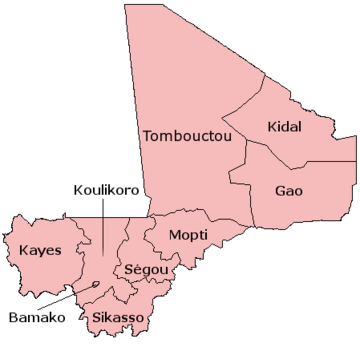
Mali, officially the Republic of Mali, is a country in West Africa. It is a landlocked country, meaning it has no coastline. Mali is the eighth-largest country in Africa. It covers an area of over 1.2 million square kilometers (478,839 sq mi). Mali shares borders with seven other countries. To the north is Algeria, and to the east is Niger. To the northwest, it borders Mauritania. In the south, you’ll find Burkina Faso and Ivory Coast. To the west are Guinea and Senegal. Mali has a population of about 24.5 million people. Its capital and largest city is Bamako. The country has 13 official languages. Bambara is the most widely spoken.

What’s in a Name? The Meaning of Mali
The name Mali comes from the ancient Mali Empire. It means “the place where the king lives.” This name also suggests strength. A traveler named Ibn Battuta visited Mali in the 1300s. He said the empire’s capital was called Mali. Some stories say the first emperor, Sundiata Keita, turned into a hippopotamus when he died. This happened in the Sankarani River. People say there were villages near this river called “old Mali.” There’s even a village called Malikoma, meaning “New Mali.” This suggests Mali might have once been a city’s name. Another idea is that Mali is how the Fulani people say the name of the Mande peoples.

Exploring Mali’s Geography

Mali is the 24th-largest country in the world. It is the eighth-largest country in Africa. Its size is similar to South Africa. Most of Mali is in the southern Sahara Desert. This area is very hot and dusty. Mali is mostly flat with rolling plains covered by sand. The Adrar des Ifoghas mountains are in the northeast.
Mali is one of the hottest countries in the world. Most of Mali gets very little rain. Dry periods are common. The rainy season is from late April to early October in the south. During this time, the Niger River often floods. This creates the Inner Niger Delta.

The northern desert has a hot desert climate. Summers are long and extremely hot. Rainfall is very low and decreases as you go north. The central area has a hot semi-arid climate. It has high temperatures all year. There is a long dry season and a short, irregular rainy season. The southern areas have a tropical wet and dry climate.

Mali has many natural resources. Gold, uranium, phosphates, kaolinite, salt, and limestone are found there. Mali is thought to have over 17,400 tonnes of uranium. In 2012, more uranium was found in the north.

Mali faces several environmental challenges. These include desertification (land turning into desert), deforestation (losing forests), soil erosion, and not enough clean potable water.

Languages Spoken in Mali
In January 2022, the Malian government announced that Bambara would become an official language. In July 2023, French changed from an official language to a working language.

At the same time, 13 national languages became official languages. These include:

  • Bambara
  • Bobo
  • Bozo
  • Dogon
  • Fula
  • Hassaniya Arabic
  • Kassonke
  • Maninke
  • Minyanka
  • Senufo
  • The Songhay languages
  • Soninke
  • Tamasheq


Bambara is the most common language for communication in Mali. About 80% of people can speak it. Over 40 other African languages are spoken by different ethnic groups in Mali.

Around 90% of Mali’s population practices Sunni Islam, though traditional religions still hold some influence. Muslims have their own education system. About 1% of the population identifies as Christian. During French colonial rule, Christian missionaries were sent to predominantly Islamic regions.

Adapted from Mali Facts for KidsKiddle Encyclopedia.

Facts about Ghana for Children

The Republic of Ghana (once known as the Gold Coast) is a country in West Africa. About 34.6 million people live there. Its capital city is Accra. Ghana is located in West Africa, next to the Gulf of Guinea, between Côte d’Ivoire and Togo.

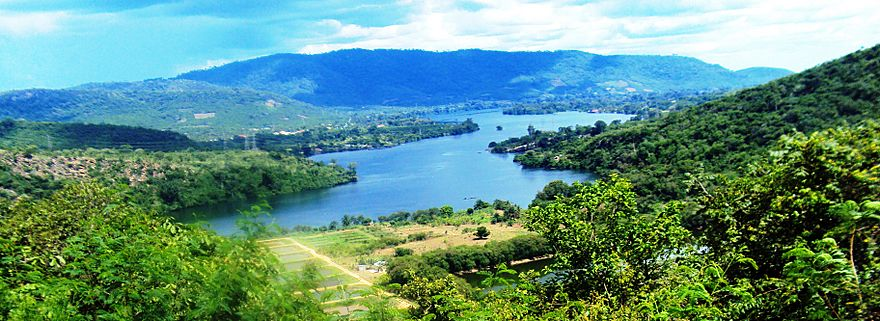
Because Ghana is close to the Equator, it has a very warm and tropical climate. The eastern coast is warm and quite dry. The southwest is hot and humid. The northern part of Ghana is hot and dry. Lake Volta, one of the world’s largest artificial lakes, stretches across eastern Ghana.

Most Ghanaians can go to primary and secondary school. Ghana has a 6-year primary school system. There are 6 public universities and 10 private universities.

Ghana has many natural resources. Its main exports include gold, timber, cocoa, and diamonds. Ghana has one of the strongest economies in Africa.

Ghana used “Cedi” as its money, but in July 2007, the “Ghana Cedi” became the new currency. One Ghana Cedi is worth 1000 old Cedi. Today, about 4 Ghana Cedi equals 1 US dollar.

Wildlife in Ghana


Ghana has a wide variety of animals. Some of these animals are now protected because their numbers are decreasing. Ghana’s land ecosystems have many different species. This includes 221 types of amphibians and reptiles. There are also 724 bird species and 225 mammal species. About 93 mammal species live in Ghana’s savanna areas.

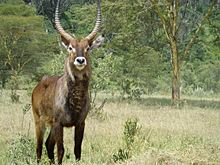
A Waterbuck.


The high forest uplands in Ghana are especially rich in animal life. For example, 83% of all butterfly species found in Ghana live here. The different layers of the forest and small climate differences create many homes for specific animals.

A Yellow-casqued wattled hornbill.

Some animals are found only in Ghana. These include three species of frogs: Hyperolius baumanni, Hyperolius fusciventris, and Hyperolius sylvaticus. Also, the lizard Agama sylvanus is found only in Ghana’s Bia Forest Reserve and Atwema Range Forest Reserve. Ghana also has many unique butterflies, with over 20 species found only there.

Ghana is home to 84 known amphibian species. These include 78 frogs, 5 toads, and caecilians. Threatened species in Ghana include four types of marine turtles and three types of crocodiles. There are also seven threatened bird species, including four found only in the Upper Guinea forest.

Important birds like hornbills, parrots, and birds of prey (like eagles) are common in Ghana. Out of 728 bird species in Ghana, 498 live there all year. Another 176 are regular seasonal migrants, with 100 coming from the Palaearctic ecozone.

Ghana is important for many vulnerable, threatened, endangered, or near-extinct mammal species. These include primates like chimpanzees and red colobus monkeys. Also, big cats like lions and leopards, and elephants live here. Ghana is on the path of major bird migration routes. There are also rare land birds, such as the Yellow-Necked Picarthes.

Animals of Ghana

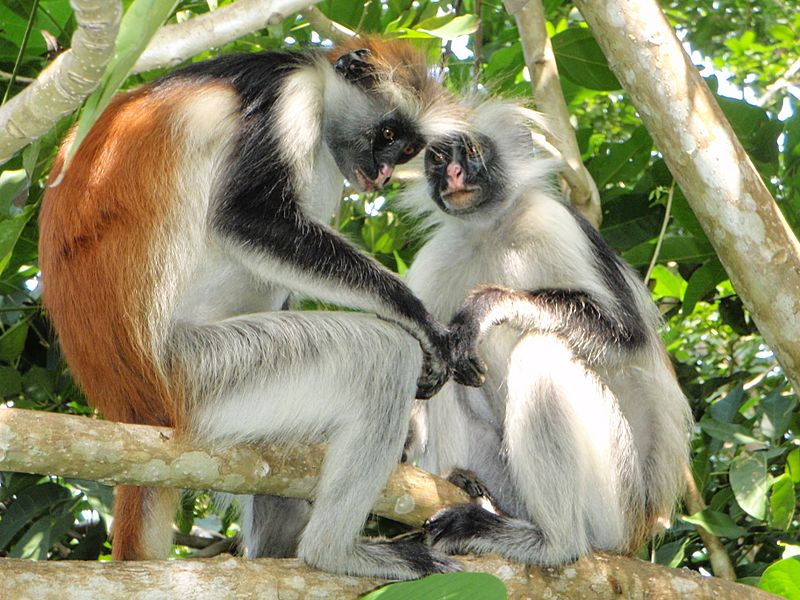
Zanzibar red colobus monkey.
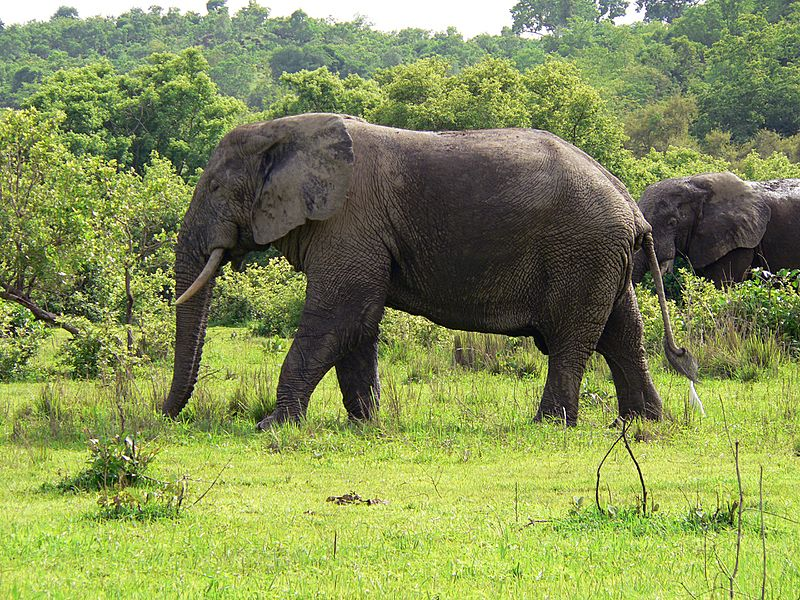
An African bush elephant.
Lion.
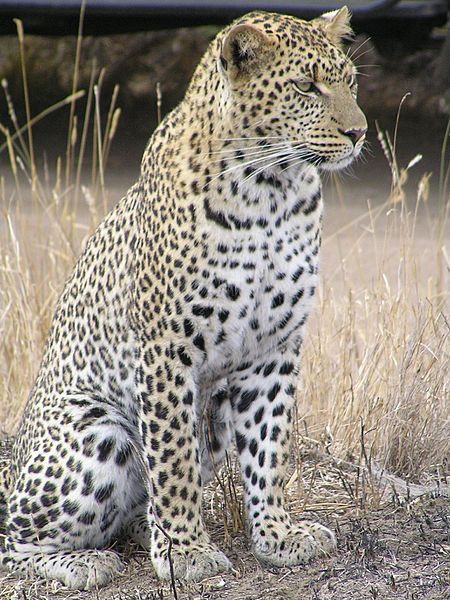
Leopard.
Common chimpanzee.
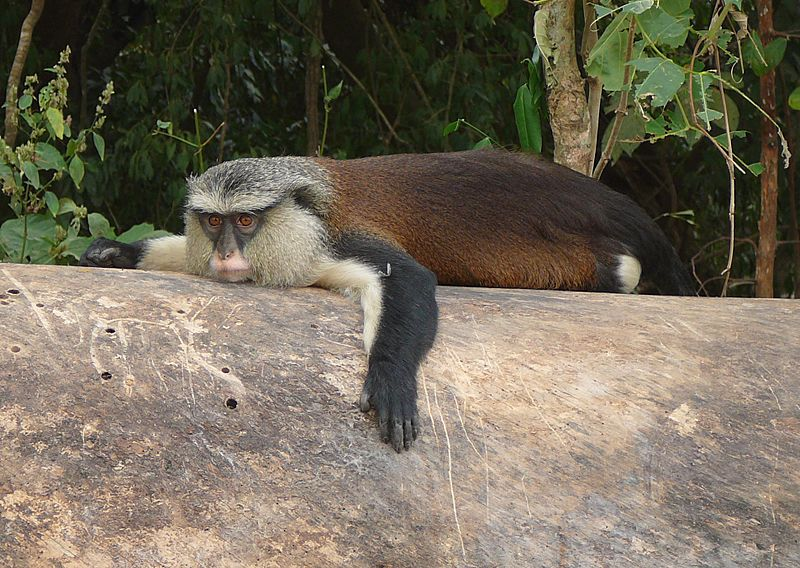
Mona monkey.

Main Industries in Ghana
Medium close up image of David Kebu Jnr holding cocoa beans drying in the sun. (10703178735)
Cocoa beans drying in the sun.
Ghana is rich in natural resources like minerals, oil, and precious metals. It has a growing digital economy and a mixed economy. Ghana is considered an emerging market with strong economic growth.

Ghana has an economic plan called “Ghana Vision 2020.” This plan aims for Ghana to become the first developed country in Africa between 2020 and 2029. It also hopes to be a newly industrialized country between 2030 and 2039.

The Bank of Ghana started using the Chinese Yuan Renminbi in 2013. It is used alongside the national Ghana cedi for trade. This is due to Ghana’s large gold reserves and economic ties with China.

The state-owned Volta River Authority and Ghana National Petroleum Corporation produce most of Ghana’s electricity. The Akosombo Dam, built in 1965 on the Volta River, along with Bui Dam and Kpong Dam, provide hydropower. The Government of Ghana also plans to build a second nuclear power plant in Africa.

Ghana produces high-quality cocoa. It is the second-largest producer of cocoa in the world. It was expected to become the largest producer in 2015.

Languages Spoken in Ghana

Ghana has eleven languages that are officially supported by the government. Four are Akan languages: Asante Twi, Akuapem Twi, Mfantse, and Nzema. Two are Mole-Dagbani languages: Dagaare and Dagbanli. The other languages are Ewe, Dangme, Ga, Gonja, and Kasem.

Akan greeting phrases: “akɔaba” (welcome) and “ɛte sɛn” (how are you) in Ashanti Twi.

English is the official language of the state. It is widely used for communication across different language groups.

National Symbols of Ghana

A Tawny eagle is shown on the coat of arms of Ghana.


The coat of arms shows two animals: the tawny eagle (a large bird living in savannas and deserts) and the lion (a big cat). It also features a ceremonial sword, a castle on a sea, a cocoa tree, and a mine shaft. These represent Ghana’s mineral wealth. A five-pointed black star with a gold rim stands for Ghana’s gold and the guiding star of the Ghanaian people. The motto “Freedom and Justice” is also on the coat of arms.

The flag of Ghana has three horizontal bands (strips) of red (top), gold (middle), and green (bottom).

All three bands are the same height and width. The middle gold band has a five-pointed black star in its center. The red band stands for the blood shed to gain independence. The gold represents Ghana’s mineral wealth. The green symbolizes Ghana’s rich tropical rainforests and natural resources.

Source: Ghana facts for kids Kids Encyclopedia Facts