Bass Reeves: A Giant of Justice in the American West
Bass Reeves: A Giant of Justice in the American West
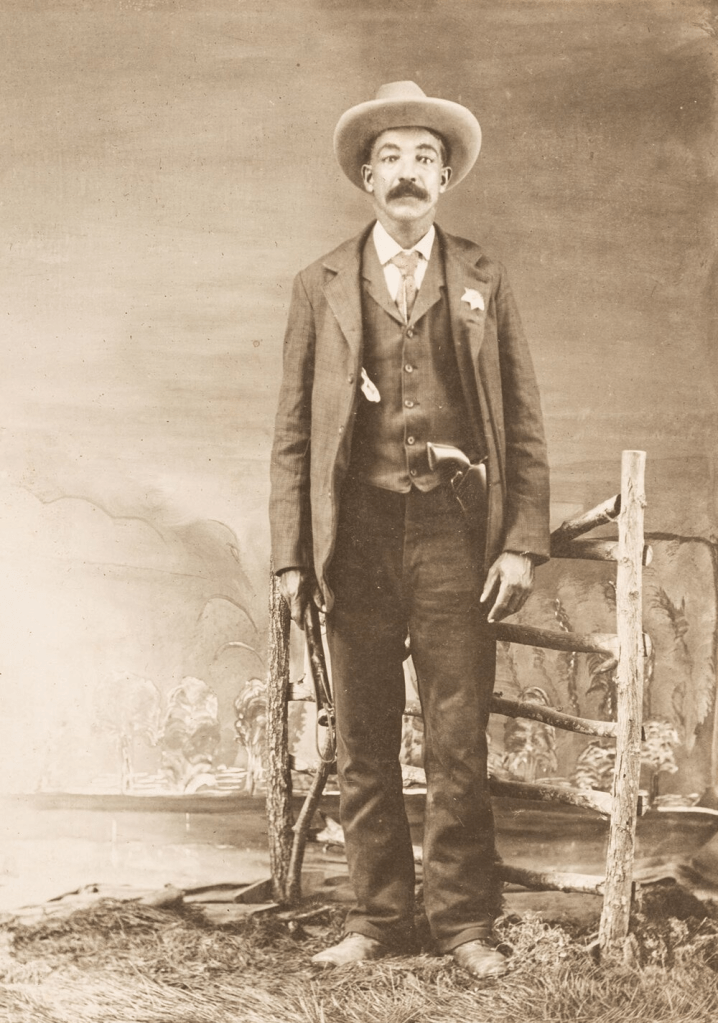
Few figures in American history embody courage, integrity, and resilience like Bass Reeves, one of the first Black deputy U.S. marshals west of the Mississippi River. His life—spanning enslavement, frontier law enforcement, and a legacy that still inspires—offers a powerful story for Black History Month.
Early Life: From Enslavement to Freedom
Bass Reeves was born into slavery in July 1838 in Crawford County, Arkansas, and raised in Texas. He was enslaved by William Steele Reeves, a farmer and politician who later brought Bass along during the Civil War.
According to historical accounts, Bass seized his freedom during the war—most likely after a dispute with his enslaver—and escaped into Indian Territory (modern-day Oklahoma). There, he lived among the Cherokee, Creek, and Seminole Nations, learning their languages, customs, and tracking skills. These years shaped him into a skilled marksman, horseman, and interpreter—abilities that would later define his legendary law enforcement career.
Middle Life: A Lawman Like No Other
In 1875, Bass Reeves was appointed a Deputy U.S. Marshal by Judge Isaac C. Parker, the “Hanging Judge” of Fort Smith. This made Reeves one of the first Black federal lawmen in the West.
His achievements were extraordinary:
- He served for over 30 years as a deputy marshal.
- He arrested more than 3,000 fugitives, including some of the most dangerous outlaws in the region.
- He was known for his flawless marksmanship, clever disguises, and unwavering honesty.
- Despite facing racism, threats, and the dangers of frontier justice, he maintained a reputation for fairness and courage.
Stories of Reeves’ exploits—riding hundreds of miles alone, outsmarting gangs, and capturing fugitives without firing a shot—became the stuff of legend. Many historians believe he may have inspired aspects of the fictional Lone Ranger, though this connection remains debated.
End of Life: Final Years, Death, and Burial
After Oklahoma became a state in 1907, Reeves briefly served as a police officer in Muskogee, where he reportedly never had to fire his weapon. Even in his late sixties, he commanded respect.
Bass Reeves died on January 12, 1910, in Muskogee, Oklahoma, after battling Bright’s disease (a kidney condition).
He is buried in Old Agency Cemetery in Muskogee, Oklahoma—a resting place that honors one of the greatest lawmen in American history.
Legacy
Bass Reeves’ life challenges the myths of the American West. He was a Black man who rose from enslavement to become a symbol of justice, integrity, and bravery. His story reminds us that Black history is deeply woven into the fabric of American history—shaping it, strengthening it, and redefining it.
His legacy continues to grow as more people learn about his extraordinary life, making him a powerful figure to highlight during Black History Month.
Bass Reeves Timeline
Early Life (1838–1865)
- 1838 — Born into slavery in Crawford County, Arkansas.
- 1840s–1850s — Raised in Texas under enslaver William Steele Reeves; develops strong skills in farming, horses, and firearms.
- 1861–1865 — Taken to serve his enslaver during the Civil War.
- Early 1860s — Escapes into Indian Territory after a dispute; lives among the Cherokee, Creek, and Seminole Nations, learning languages and tracking skills.
- 1865 — Gains freedom after the Civil War ends.
Middle Life: Law Enforcement Career (1875–1907)
- 1875 — Appointed as a Deputy U.S. Marshal for the Western District of Arkansas under Judge Isaac C. Parker.
- 1875–1907 — Serves over 30 years as a federal lawman.
- Arrests more than 3,000 fugitives.
- Known for expert marksmanship, disguises, and bravery.
- Becomes one of the most respected lawmen in the American West.
- 1880s–1890s — Continues to patrol Indian Territory, often riding hundreds of miles on assignments.
- 1902 — Arrests his own son, Bennie Reeves, for murder—demonstrating his unwavering commitment to the law.
- 1907 — Oklahoma becomes a state; Reeves transitions to the Muskogee Police Department.
Later Years and Death (1907–1910)
- 1907–1909 — Serves as a Muskogee police officer; never fires his weapon on duty.
- 1909 — Retires due to declining health (Bright’s disease).
- January 12, 1910 — Dies in Muskogee, Oklahoma.
- Burial — Laid to rest in Old Agency Cemetery, Muskogee, Oklahoma.
Legacy
Bass Reeves is remembered as one of the greatest lawmen in American history—a man who rose from enslavement to become a symbol of justice, courage, and integrity in the Old West.
 articlesforchristians