Father Cyprian Davis: A Historian of Hope and a Witness to Black Catholic Faith
Father Cyprian Davis: A Historian of Hope and a Witness to Black Catholic Faith
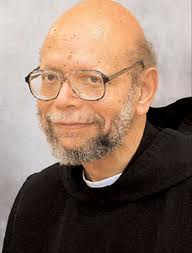
During Black History Month, we honor the voices that preserved our stories, strengthened our communities, and illuminated truths long overlooked. Among these remarkable figures stands Father Cyprian Davis, O.S.B.—a Benedictine monk, priest, scholar, and historian whose groundbreaking work ensured that the history of Black Catholics would never again be forgotten or ignored.
His life was a testament to faith, scholarship, and the conviction that every people’s story deserves to be told with dignity and accuracy.
Early Life: A Calling Rooted in Faith and Identity
Father Cyprian Davis was born Clarence John Davis on September 9, 1930, in Washington, D.C. Raised in a devout Catholic family, he attended St. Augustine Catholic School, one of the oldest Black Catholic schools in the nation. From a young age, he showed a deep love for learning, prayer, and the life of the Church.
As a teenager, he felt drawn to religious life. After high school, he entered Saint Meinrad Seminary in Indiana, where he later joined the Benedictine monastic community. When he professed vows, he took the name Cyprian, honoring the early Christian bishop and martyr known for his courage and leadership.
His early formation shaped the two great passions of his life:
- The monastic pursuit of prayer, humility, and community
- The scholarly pursuit of truth, especially the history of Black Catholics
Middle Life: A Scholar Who Preserved a Forgotten History
Ordained a priest in 1956, Father Cyprian went on to earn a doctorate in Church History from the Catholic University of Louvain in Belgium. His academic training, combined with his lived experience as a Black Catholic, positioned him to fill a void that had long existed in American religious scholarship.
A Groundbreaking Historian
In 1990, he published his most influential work:
The History of Black Catholics in the United States.
This book was the first comprehensive study of Black Catholic life from the earliest days of the Church to the modern era. It revealed:
- The presence of Black Catholics dating back to colonial America
- The contributions of enslaved and free Black Catholics
- The struggles and triumphs of Black religious orders, clergy, and laypeople
- The resilience of Black faith communities despite racism and exclusion
His research gave Black Catholics a documented, respected place in American religious history.
A Leader and Advocate
Father Cyprian was also a founding member of the National Black Catholic Clergy Caucus, formed in 1968. The caucus boldly declared that the Catholic Church in the United States was “a white racist institution,” calling for repentance, reform, and justice.
Throughout his life, he:
- Lectured widely
- Mentored young scholars
- Supported Black Catholic organizations
- Encouraged the Church to embrace its diversity and confront its failures
His voice was gentle but firm, scholarly yet pastoral.
Later Life: A Legacy of Faithful Witness
Even as he aged, Father Cyprian continued writing, teaching, and guiding others. He remained a monk of Saint Meinrad Archabbey for nearly 60 years, living a life of prayer, study, and service.
Death and Burial
Father Cyprian Davis died on May 18, 2015, in Huntingburg, Indiana, after a period of declining health.
He is buried in the Saint Meinrad Archabbey Cemetery in St. Meinrad, Indiana, the monastic community he called home for most of his life.
A Legacy That Continues to Speak
Father Cyprian Davis left behind more than books—he left a pathway for understanding, healing, and pride. His work ensures that:
- Black Catholics see themselves in the story of the Church
- Scholars recognize the depth of Black Catholic history
- The Church remembers its responsibility to justice and inclusion
His life reminds us that telling the truth—lovingly, courageously, and faithfully—is a holy act.
During Black History Month, we honor Father Cyprian Davis as a guardian of memory, a servant of God, and a historian who helped an entire community reclaim its rightful place in history.
 Articles for Christians