Fats Waller: The Joyful Genius of Jazz
Fats Waller: The Joyful Genius of Jazz
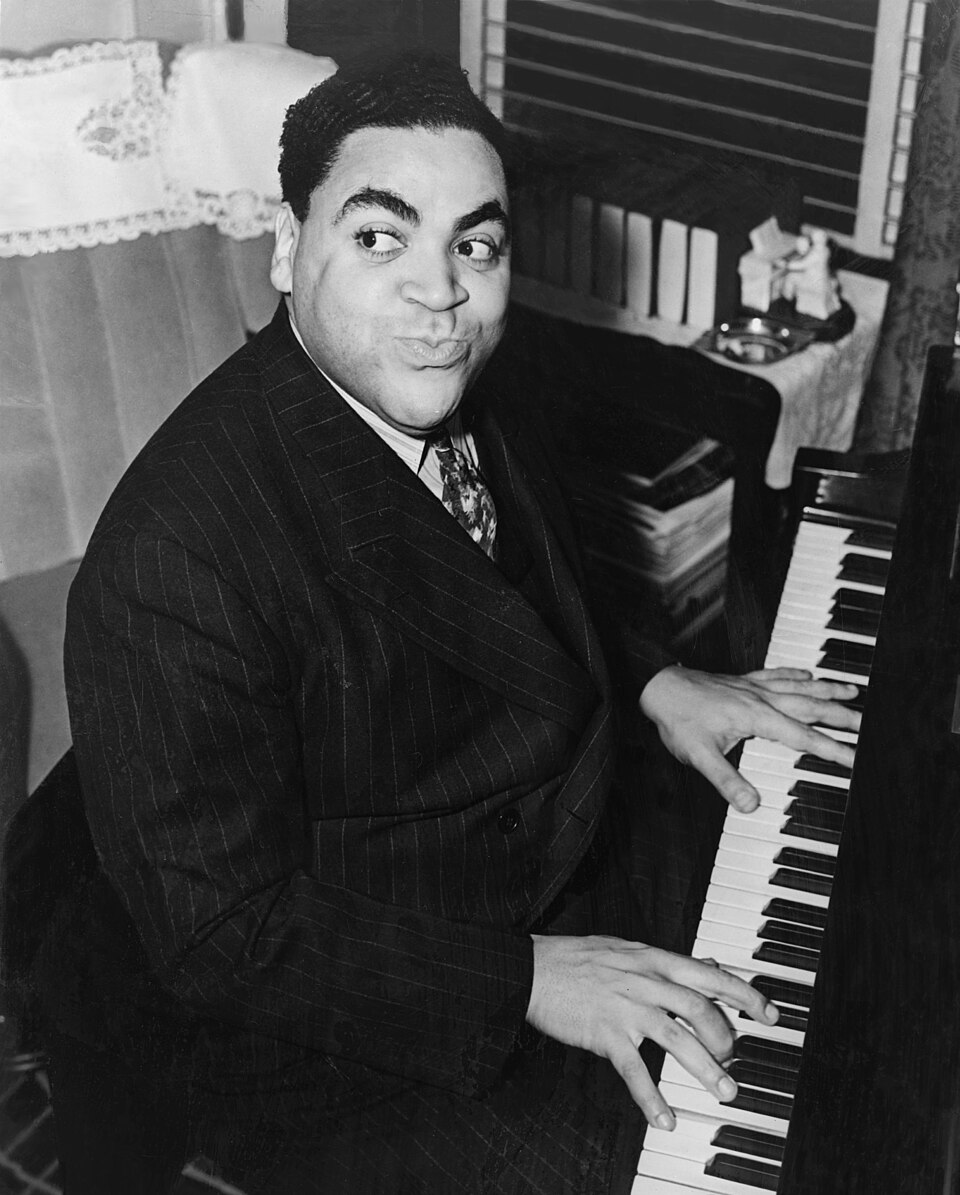
Few musicians have ever radiated joy the way Thomas “Fats” Waller did. A master pianist, organist, composer, singer, and entertainer, Waller helped define the sound of early jazz and stride piano. His music carried humor, brilliance, and soul—an irresistible combination that made him one of the most beloved performers of the Harlem Renaissance and beyond.
Early Life: A Musical Prodigy in Harlem
Fats Waller was born May 21, 1904, in New York City, the youngest of four children. His father was a minister, and young Thomas grew up surrounded by church music. By age six he was playing the piano; by ten he was mastering the organ. His talent was unmistakable.
As a teenager, Waller studied under two giants of stride piano:
- James P. Johnson, the “Father of Stride Piano”
- Willie “The Lion” Smith, a legendary Harlem pianist
These mentors shaped his technique, but Waller added something uniquely his own—playfulness, showmanship, and a rhythmic bounce that made his music instantly recognizable.
By age 15, he was already performing professionally. By 17, he had recorded his first piano rolls. Harlem had discovered a star.
Middle Life: Composer, Entertainer, and Jazz Innovator
The 1920s and 1930s were Waller’s golden years. He became a central figure in the Harlem Renaissance, dazzling audiences with his quick wit, booming laugh, and unmatched piano skill.
A Composer of Classics
Waller wrote or co‑wrote more than 400 songs, including:
- “Ain’t Misbehavin’”
- “Honeysuckle Rose”
- “Jitterbug Waltz”
- “Keepin’ Out of Mischief Now”
Many of these became jazz standards, recorded by countless artists across generations.
A Beloved Performer
Waller’s personality made him a sensation on radio, in nightclubs, and on stage. His recordings with his group, Fats Waller and His Rhythm, showcased his humor and brilliance. He also appeared in films and toured internationally, bringing Harlem’s sound to the world.
A Pioneer of Stride Piano
Stride piano—marked by a steady left-hand bass and a lively right-hand melody—was Waller’s playground. He elevated the style to new heights, blending technical mastery with joyful improvisation. His playing influenced future jazz greats, from Art Tatum to Thelonious Monk.
End of Life: A Legacy That Lives On
In the early 1940s, Waller’s demanding schedule took a toll on his health. Still, he continued to perform, record, and bring joy to audiences.
Death
Fats Waller died on December 15, 1943, at the age of 39. He was traveling by train from Los Angeles to New York after completing a film project when he developed pneumonia. He passed away near Kansas City, Missouri, leaving the music world in mourning.
Burial
He is buried at Woodlawn Cemetery in The Bronx, New York, a resting place shared by many musical legends.
A Lasting Influence
Though his life was short, Fats Waller’s impact was enormous. He helped shape the sound of American jazz, brought stride piano to its peak, and infused every performance with warmth and humor. His music continues to inspire pianists, singers, and composers around the world.
During Black History Month, remembering Fats Waller invites us to celebrate creativity, joy, and the enduring power of Black artistry. His laughter, his swing, and his unmistakable musical voice still echo—reminding us that true genius leaves a legacy that never fades.
Fats Waller: Timeline of a Jazz Legend
Early Life
1904 – Born Thomas Wright Waller on May 21 in New York City.
1910 – Begins playing the organ at age six in his father’s church.
1918 – Studies stride piano under James P. Johnson and Willie “The Lion” Smith.
1919 – Performs professionally as a teenager in Harlem.
Rising Career
1922 – Records his first piano rolls.
1920s – Becomes a central figure in the Harlem Renaissance; performs in clubs and theaters.
1926 – Begins recording extensively, gaining national attention.
Golden Years
1929 – Co‑writes “Ain’t Misbehavin’,” which becomes a jazz classic.
1930s – Tours internationally; becomes famous for his humor, piano brilliance, and radio appearances.
1934–1943 – Records with Fats Waller and His Rhythm, producing many of his most beloved songs.
Final Years
1943 (December 15) – Dies from pneumonia while traveling by train near Kansas City, Missouri.
Burial – Laid to rest at Woodlawn Cemetery, The Bronx, New York.
Legacy
Fats Waller leaves behind more than 400 compositions, a joyful performance style, and a lasting influence on jazz and stride piano.
 articlesforchristians