Children separate a larger group of up to 15 objects into two smaller groups.
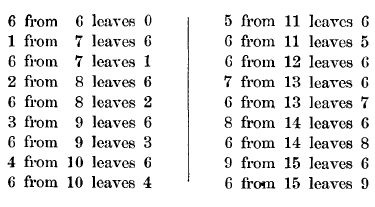
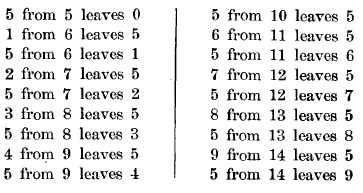
Repeatedly separate a group of objects into smaller groups per the table below. For example, 6 pencils from 6 pencils leaves 0 pencils, 8 coins from 14 coins leaves 6 coins, and 9 cars from 15 cars leaves 6 cars, etc.
When children are ready, have them separate the object groups themselves.
Children must perfectly master the operations listed in the table before proceeding to the next phase of the lesson.
STEP 2
Children separate groups of objects they can’t see, but can imagine (bears, mountains, trees).
Using the table above as a guide, ask children to call out the answer to questions such as, ‘How many are one shoe from seven shoes?’ and ‘How many are nine frogs from fifteen frogs?’
Give numerous exercises on each number, with constant reviews, until children can recite each operation in the table with great accuracy and rapidity.
STEP 3
In this phase, do not mention objects. Children subtract numbers directly.
Using the table above as a guide, ask children to call out the answer to questions such as, ‘How many are one from seven?’ and ‘How many are four from ten?’
Give numerous exercises on each number, with constant reviews, until children can perform each operation with great accuracy and rapidity.
STEP 4
Direct children to practice writing and reciting the subtraction problems listed in the table above. For example, they would write and then recite:
6 from 15 leaves 9
15 minus 6 is 9
15 – 6 = 9
Repeat for each combination in the table until the children master the tasks.
STEP 5
Have children copy, solve, and recite the following table:
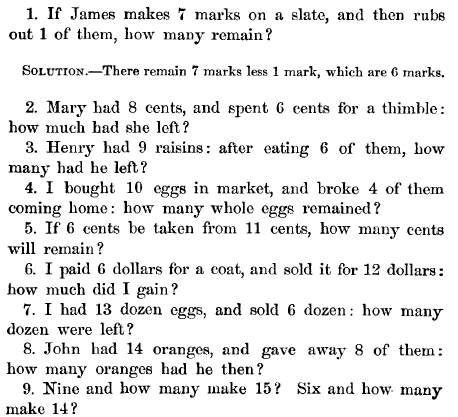
Assess mastery by reading aloud the word problems below and having the children mentally compute and recite the solutions. If children have difficulties, repeat the prior phases and then reassess.
Bible books are great for Bible Study. Here are many books that are great to use with children and one that offers interesting insight for adults.
For Children
The Wonder Book of Bible Stories: “The Wonder Book of Bible Stories” by Logan Marshall shares simplified biblical narratives for children, conveying essential moral lessons through engaging tales from the Bible.MOTHER STORIES From the Old Testament: This book contains engaging stories from the Old Testament including tales of creation, heroes, and important lessons.
THE CHILDREN’S SIX MINUTES by Bruce S. Wright: The Children’s Six Minutes by Bruce S. Wright features a collection of themes exploring growth, kindness, faith, and life’s lessons through various engaging stories and reflections. Mother Stories from the New Testament: “Mother Stories from the New Testament” shares engaging narratives for children, emphasizing faith, kindness, and moral lessons from Jesus’ life.
Great Stories for Little Americans: introduces young readers to American history through engaging tales, fostering national pride and knowledge of heritage via accessible storytelling.
The Bird-woman of the Lewis and Clark Expedition: A Supplementary Reader for First and Second Grades- tells Sacajawea’s vital role in guiding the explorers, emphasizing her contributions and experiences during this historic journey.
2nd Grade
The Bird-woman of the Lewis and Clark Expedition: A Supplementary Reader for First and Second Grades- tells Sacajawea’s vital role in guiding the explorers, emphasizing her contributions and experiences during this historic journey.
The Story of Mankind: chronicles human history from prehistory to the modern era, highlighting key events, cultures, and figures that shaped civilization.
3rd Grade
A First Book in American History: A first book in American history: with special reference to the lives and deeds of great Americans. This book chronicles pivotal figures in American history, from Columbus and John Smith to Franklin and Lincoln, highlighting their contributions and the nation’s expansion.
A History of the United States and its People: The content outlines the early history of the United States, detailing exploration, settlement, colonial life, conflicts, and the events leading to the American Revolution.
5th Grade
The Boy’s Life of Edison describes Thomas Edison’s early life, emphasizing his curiosity, hard work, and exploratory spirit that shaped him as an inventor.
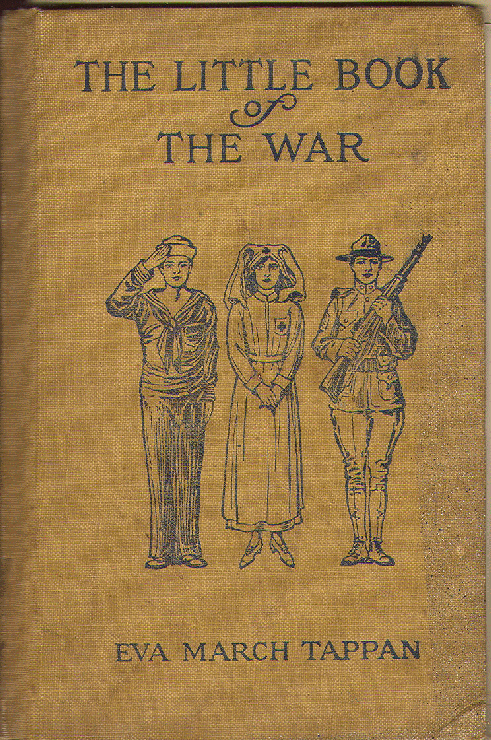
The Little Book of the War outlines the events and consequences of World War I, detailing causes, key battles, and the involvement of various nations, including America.
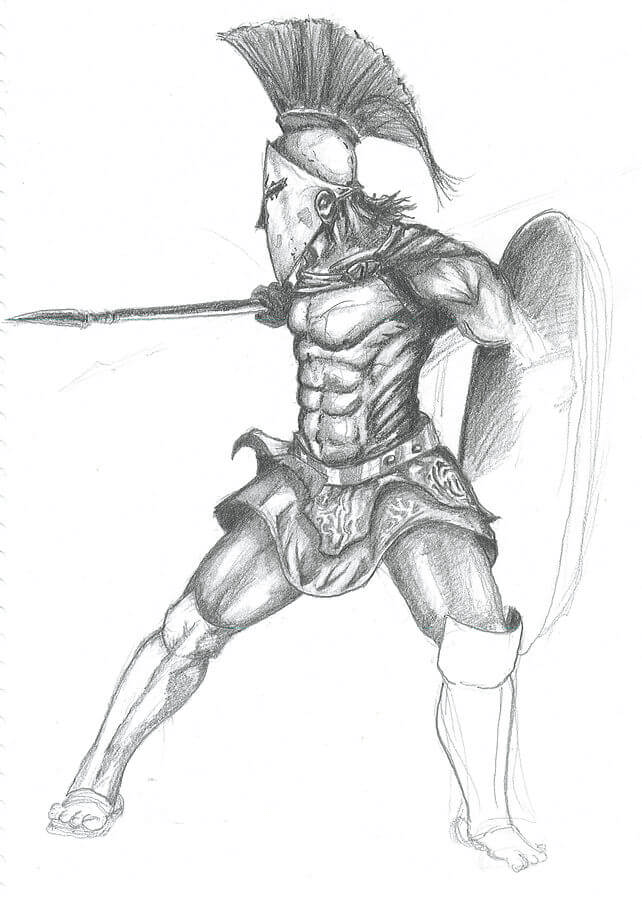
Athens and Sparta were both Greek cities and their people spoke a common language. In every other respect they were different. Athens rose high from the plain. It was a city exposed to the fresh breezes from the sea, willing to look at the world with the eyes of a happy child. Sparta, on the other hand, was built at the bottom of a deep valley, and used the surrounding mountains as a barrier against foreign thought. Athens was a city of busy trade. Sparta was an armed camp where people were soldiers for the sake of being soldiers. The people of Athens loved to sit in the sun and discuss poetry or listen to the wise words of a philosopher. The Spartans, on the other hand, never wrote a single line that was considered literature, but they knew how to fight, they liked to fight, and they sacrificed all human emotions to their ideal of military preparedness.
No wonder that these somber Spartans viewed the success of Athens with malicious hate. The energy which the defense of the common home had developed in Athens was now used for purposes of a more peaceful nature. The Acropolis was rebuilt and was made into a marble shrine to the goddess Athena. Pericles, the leader of the Athenian democracy, sent far and wide to find famous sculptors and painters and scientists to make the city more beautiful and the young Athenians more worthy of their home. At the same time, he kept a watchful eye on Sparta and built high walls which connected Athens with the sea and made her the strongest fortress of that day.
An insignificant quarrel between two little Greek cities led to the final conflict. For thirty years the war between Athens and Sparta continued. It ended in a terrible disaster for Athens.
During the third year of the war the plague had entered the city. More than half of the people and Pericles, the great leader, had been killed. The plague was followed by a period of bad and untrustworthy leadership. A brilliant young fellow by the name of Alcibiades had gained the favor of the popular assembly. He suggested a raid upon the Spartan colony of Syracuse in Sicily. An expedition was equipped and everything was ready. But Alcibiades got mixed up in a street brawl and was forced to flee. The general who succeeded him was a bungler. First he lost his ships and then he lost his army, and the few surviving Athenians were thrown into the stone-quarries of Syracuse, where they died from hunger and thirst.
The expedition had killed all the young men of Athens. The city was doomed. After a long siege the town surrendered in April of the year 404. The high walls were demolished. The navy was taken away by the Spartans. Athens ceased to exist as the center of the great colonial empire which it had conquered during the days of its prosperity. But that wonderful desire to learn and to know and to investigate which had distinguished her free citizens during the days of greatness and prosperity did not perish with the walls and the ships. It continued to live. It became even more brilliant.
Athens no longer shaped the destinies of the land of Greece. But now, as the home of the first great university the city began to influence the minds of intelligent people far beyond the narrow frontiers of Hellas.
Here are Children’s books listed by grade level. The grade levels are approximate. More books will be added in the future.
Kindergarten
The Real Mother Goose: a collection of nursery rhymes, reflecting childhood’s whimsical essence through well-known verses and engaging illustrations.
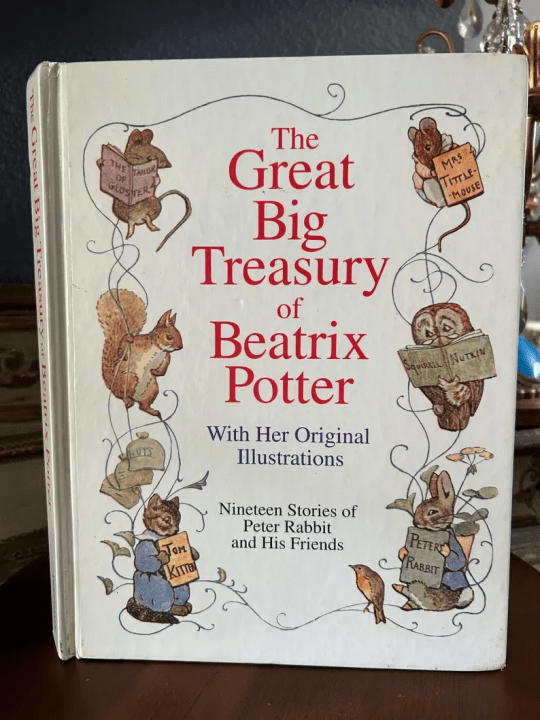
THE GREAT BIG TREASURY OF BEATRIX POTTER: The Great Big Treasury of Beatrix Potter features beloved stories like The Tale of Peter Rabbit and The Tale of Jemima Puddle-Duck, celebrating whimsical animal adventures.
1st Grade
THE TALE OF JOLLY ROBIN: follows a young bird’s adventures as he learns life skills, values friendship, and explores youthful curiosity through humorous encounters in the wild.The Tale of Solomon Owl by Arthur Scott Bailey is a whimsical children’s book by Arthur Scott Bailey, exploring themes of friendship and adventure through Solomon Owl’s humorous encounters with forest animals.
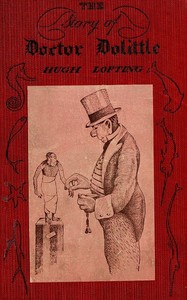
Peter and Polly Series: This is part of a series that likely follows the adventures of Peter and his older sister Polly throughout the seasons. The narrative focuses on the joys of the various seasons highlighting the children’s imaginative play, their love for nature, and their interactions with animals and family.“The Story of Doctor Dolittle” by Hugh Lofting is a children’s novel published in 1920. When a kindly physician learns to speak with animals, he abandons his failing medical practice to become a veterinarian. His new calling leads him on an extraordinary voyage to Africa to cure a monkey epidemic. Along the way, he faces shipwrecks, imprisonment, pirates, and exotic creatures—including the rare pushmi-pullyu. This tale of adventure and animal communication became the first in a beloved series, though it has sparked controversy for its colonial-era themes.
2nd Grade
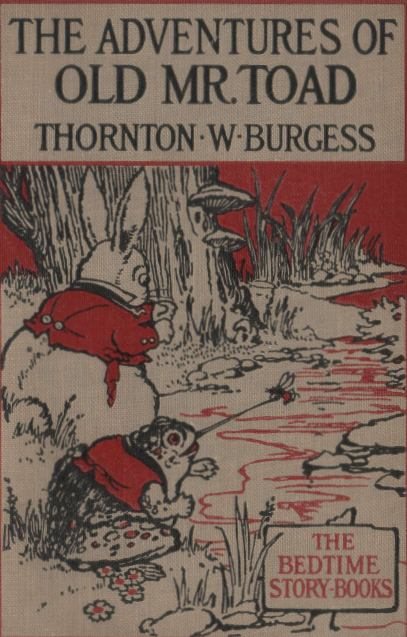
The Adventures of Old Mr. Toad recounts Old Mr. Toad’s humorous nature-filled journeys, emphasizing lessons on friendship, humility, and personal growth amidst various animal encounters.
The Wonderful Wizard of Oz follows Dorothy’s adventures in Oz as she seeks to return home, meeting memorable friends while exploring themes of courage, friendship, and self-discovery.
3rd Grade
Stories of Don Quixote Written Anew for Children retells key adventures from Cervantes’ novel, preserving its spirit while engagingly presenting them for young readers in a cohesive narrative.
Heidi by Johanna Spyri follows a young girl adapting to life in the Swiss Alps with her grandfather, highlighting themes of family, love, and the power of nature.
4th Grade
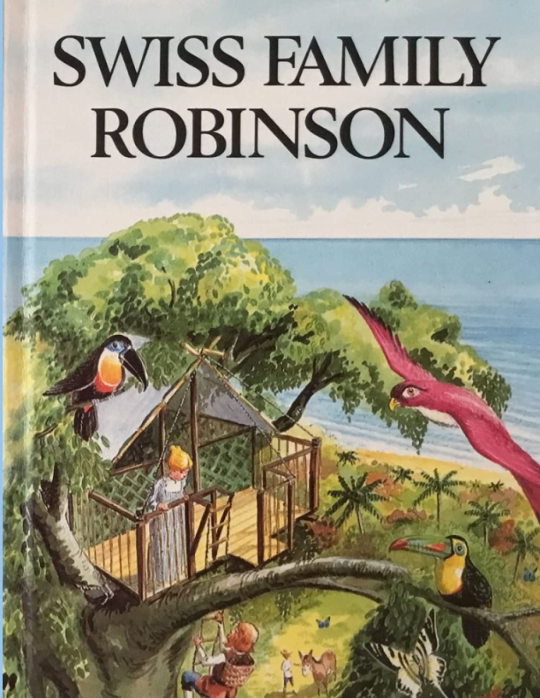
Swiss Family Robinson by Johann David Wyss is a beloved adventure novel by Johann David Wyss about a Swiss family stranded on a deserted island, relying on their creativity and teamwork to survive and build a new life.
5th Grade
Rebecca Of Sunnybrook Farm follows the spirited Rebecca Randall as she navigates life with her aunts in Riverboro, experiencing adventure, growth, and identity exploration.
The Eclectic Readers, often casually called the McGuffey Readers, were a set of graded primers for students in grades 1 through 6. They were a staple in American classrooms from the mid-1800s to the early 1900s and are still used today in some private schools and homeschooling programs.
McGuffey Eclectic Primer: textbook focused on early literacy, teaching reading and writing through simple lessons and moral stories for young children.
McGuffey’s First Eclectic Reader: educational textbook for young readers, combining phonics, sight words, moral lessons, and simple narratives to enhance literacy skills.
MCGUFFEY’S SECOND ECLECTIC READER: educational book for children, promoting literacy and moral values through engaging prose, poetry, and vocabulary exercises.
Children separate a larger group of up to 14 objects into two smaller groups.
Repeatedly separate a group of objects into smaller groups per the table below. For example, 5 pencils from 5 pencils leaves 0 pencils, 8 coins from 13 coins leaves 5 coins, and 9 cars from 14 cars leaves 5 cars, etc.
When children are ready, have them separate the object groups themselves.
Children must perfectly master the operations listed in the table before proceeding to the next phase of the lesson.
STEP 2
Children separate groups of objects they can’t see, but can imagine (bears, mountains, trees).
Using the table above as a guide, ask children to call out the answer to questions such as, ‘How many are one shoe from six shoes?’ and ‘How many are nine frogs from fourteen frogs?’
Give numerous exercises on each number, with constant reviews, until children can recite each operation in the table with great accuracy and rapidity.
STEP 3
In this phase, do not mention objects. Children subtract numbers directly.
Using the table above as a guide, ask children to call out the answer to questions such as, ‘How many are one from six?’ and ‘How many are five from six?’
Give numerous exercises on each number, with constant reviews, until children can perform each operation with great accuracy and rapidity.
STEP 4
Direct children to practice writing and reciting the subtraction problems listed in the table above. For example, they would write and then recite:
5 from 14 leaves 9
14 minus 5 is 9
14 – 5 = 9
Repeat for each combination in the table until the children master the tasks.
STEP 5
Have children copy, solve, and recite the following table:
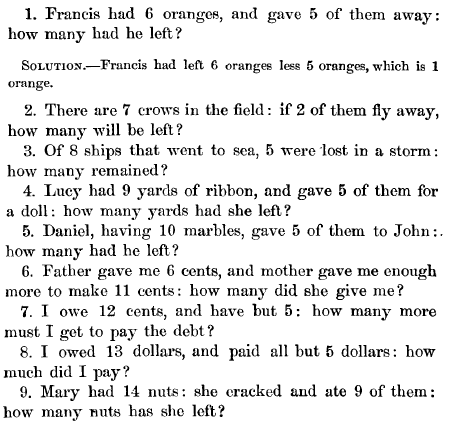
Assess mastery by reading aloud the word problems below and having the children mentally compute and recite the solutions. If children have difficulties, repeat the prior phases and then reassess.










 articlesforchristians