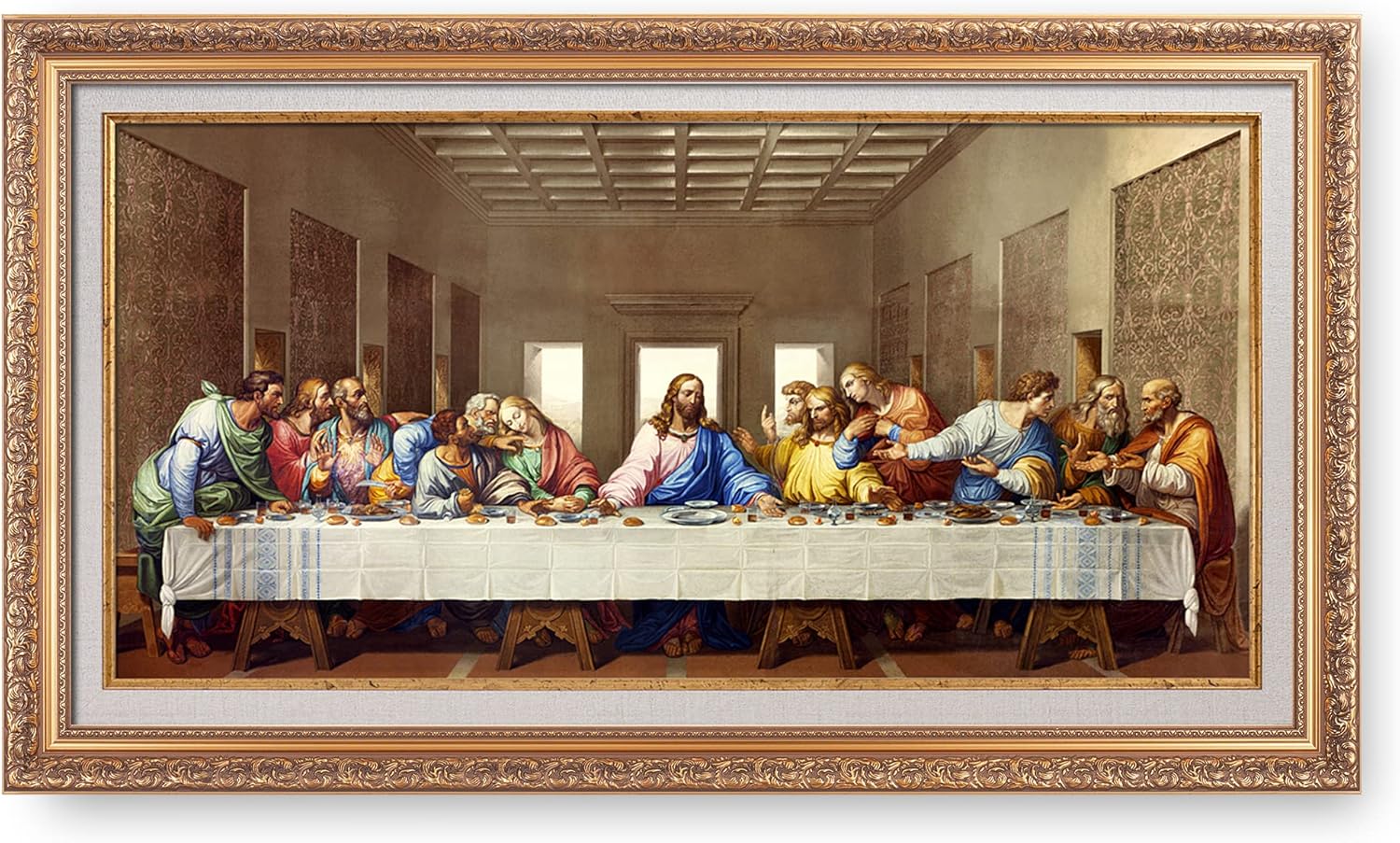
Communion is never meant to be taken lightly. Scripture teaches that when a believer partakes unworthily, they “eat and drink damnation” because they fail to discern the Lord’s Body. This is not symbolic language—Paul explains that real consequences were happening in Corinth because the church treated the Lord’s Supper casually.
🌿 Key Words to Understand
- Damnation — kríma: a judgment, a verdict, a divine decision against wrongdoing.
- Unworthily — anaxíōs: in an irreverent or careless manner; without proper heart preparation.
- Sleep — koimáō: to sleep; used figuratively for physical death.
These words show that Paul is not speaking metaphorically. He is describing real spiritual danger.
🌿 1 Corinthians 11:27–32 — Paul’s Warning to the Church
Paul writes:
“Whosoever shall eat this bread, and drink this cup of the Lord, unworthily, shall be guilty of the body and blood of the Lord… For he that eateth and drinketh unworthily, eateth and drinketh damnation to himself, not discerning the Lord’s body… For this cause many are weak and sickly among you, and many sleep.”
Paul explains that some believers in Corinth were physically weak, sick, and even dead because they treated the Lord’s Supper casually. The solution he gives is simple:
- Examine ourselves
- Judge our own hearts
- Approach the table with reverence
If we judge ourselves, Paul says, we will not come under God’s judgment.
🌿 Jesus’ Teaching About Communion (John 6:53–58)
Jesus foretold the meaning of communion long before the Last Supper:
“Except ye eat the flesh of the Son of man, and drink his blood, ye have no life in you… My flesh is meat indeed, and my blood is drink indeed… He that eateth of this bread shall live for ever.”
Jesus teaches that true spiritual life is found only in Him. Communion is not magic—it is a symbolic participation in the life He gives.
🌿 The Last Supper (Matthew 26:26–28)
At Passover, Jesus blessed the bread and cup and said:
- “Take, eat; this is my body.”
- “Drink ye all of it… this is my blood of the new testament, which is shed for many for the remission of sins.”
Communion is a covenant meal. It remembers His sacrifice and renews our commitment to Him.
🌿 Communion: Blessing or Judgment
Paul also calls the cup “the cup of blessing” (1 Corinthians 10:16–17). This means communion can bring:
- Blessing — when approached with reverence
- Judgment — when approached carelessly
The choice is ours.
If we examine ourselves, repent, and approach the table with humility, communion becomes a source of strength, unity, and blessing. If we refuse correction and cling to sin, God Himself will correct us—sometimes severely.
🌿 A Loving Warning
Communion is holy. It is a privilege, not a ritual.
I pray that everyone who reads this will take Paul’s warning seriously and choose the path of blessing. Judge your own heart, walk in repentance, and come to the Lord’s table with reverence and joy.

2 responses to “The Importance of Worthy Communion Practices”
[…] The Importance of Worthy Communion Practices: Communion, when taken unworthily, leads to condemnation; self-examination is crucial for receiving blessings instead of damnation. […]
[…] Major Events of Holy Week in 30 AD The Red Heifer Sacrifice Compared to Jesus’ Sacrifice The Importance of Worthy Communion Practices Understanding God’s Blood Covenants with Humanity Witness of the Stars: Crux (the Cross) […]