What is rotting?
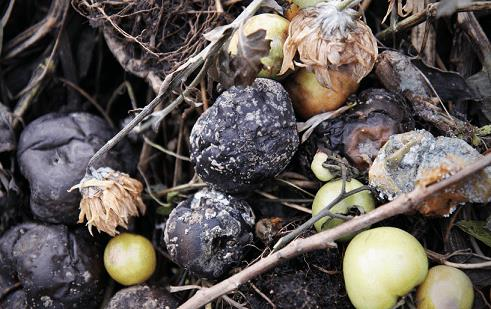
- If you leave a piece of fruit or a vegetable on the counter for too long, it will change color and develop an unpleasant odor.
- A fuzzy substance known as mold can grow on fruits or vegetables.
- This process is called rotting.
Why do things rot?
- When a farmer removes fruits or vegetables from their plants, they start to die immediately.
- All living things are made of small units called cells. As the fruits and vegetables die, their cells start to break down.
- Tiny microorganisms called bacteria, molds, and yeasts floating in the air land on the fruit and begin to further break down the fruit or vegetable.
- Moisture (water), light, temperature, and microorganisms work together to speed spoiling process.
How can we prevent things from rotting?
- Keeping foods in the refrigerator slows the spoiling process (less moisture, fewer microorganisms, less light, colder temperature), but food will eventually spoil.
- Keeping foods in the freezer at even colder temperatures slows the spoiling process even more.
- Never eat rotten food. It might make you sick. Rotten food may small bad, be a strange color, or have fuzzy mold spots on it.
Pee Yew! That’s Rotten!
Objective:
Observe the rotting process.
Materials:
Fruit, small dish
Procedure:
- Leave a small chunk of fruit or vegetable out on the countertop in a small dish.
- Observe the dish after a few hours and draw a picture of what you see.
- Observe the dish after a day and draw a picture of what you see.
- Observe the dish each subsequent day over the next week and draw a picture of what you see.
Results:
- What changes did you observe over the week?
- How long does it take for the fruit or vegetable to rot?

 articlesforchristians
Comments on: "Understanding the Rotting Process in Fruits and Vegetables" (2)
[…] Understanding the Rotting Process in Fruits and Vegetables […]
[…] Understanding the Rotting Process in Fruits and Vegetables […]