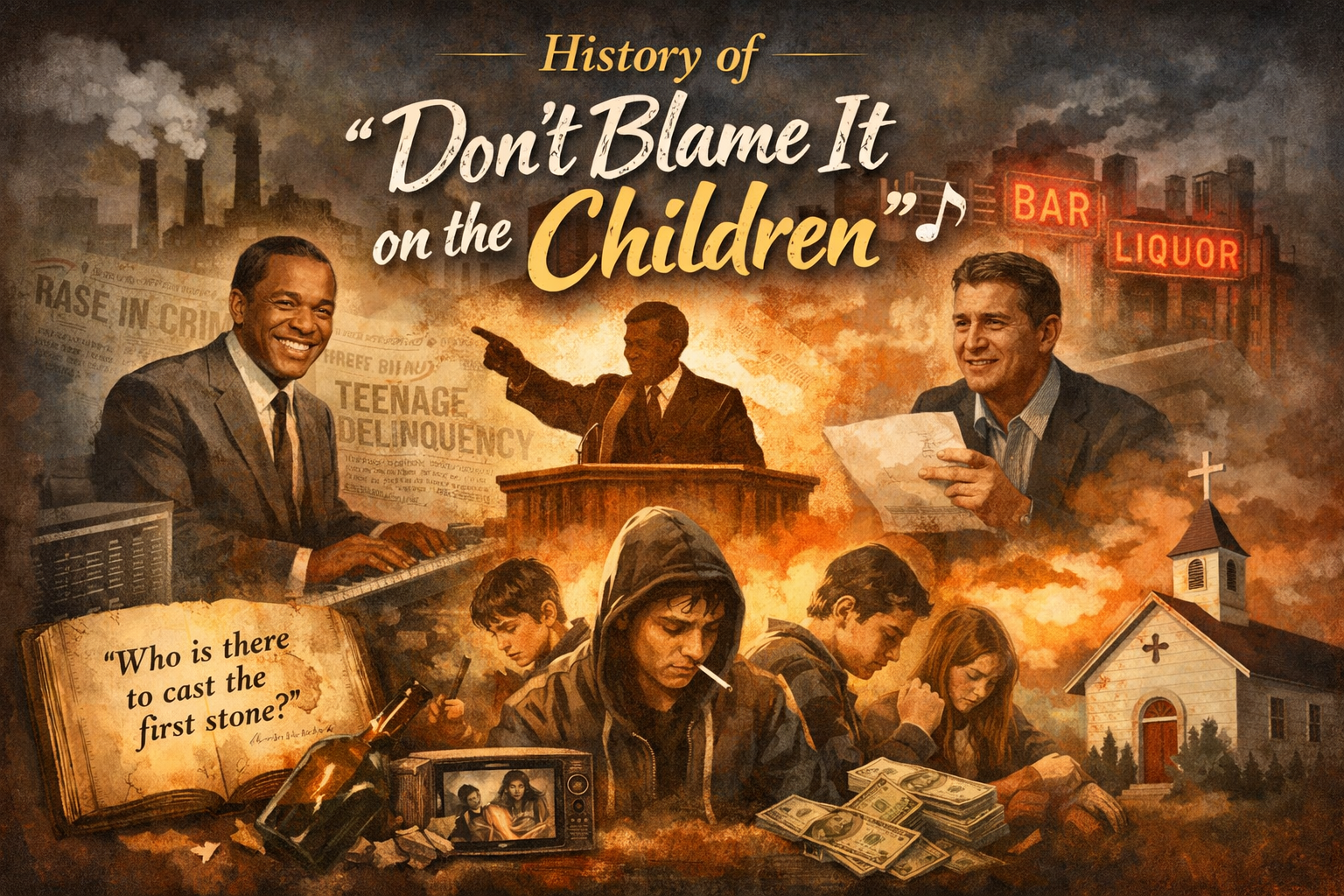
🎶The Songwriters
H.B. Barnum: (Born 1936)
- A prolific arranger and songwriter born in Houston, Texas. He is well-known for his work with legendary artists like Aretha Franklin and The Supremes.
- He also a world-renowned pianist, arranger, and producer. He is a child prodigy who recorded his first song at age six.
- Deeply rooted in church music and later became Minister of Music at St. Paul’s Baptist Church in Los Angeles.
- Founder of the H.B. Barnum Life Choir, a massive and influential gospel ensemble.
- Son of H.B. Barnum Sr., a preacher and graduate of the Louisiana Negro Normal and Industrial Institute (now Grambling State University).
👨🏾👩🏽👧🏽👦🏾Family & Religious Background of H.B. Barnum
Barnum’s upbringing in a religious household deeply influenced his music and community work:
- Parents:
- His father, H.B. Barnum, Sr., served as a minister, and his mother, Alma Williams Barnum, was a choir director.
- Sibling:
- Billie Barnum: A professional singer and actress who often performed with her brother’s choir. She had a successful career as a session vocalist and backup singer for major artists, including Neil Diamond and Pink Floyd
- Early Life:
- Born in Houston, Texas, Barnum moved to Los Angeles as a child, where he became a well-known child actor and musician.
- Musical Career:
- He carried his father’s religious influence into his professional life, eventually becoming the Minister of Music at St. Paul’s Baptist Church in Los Angeles and leading the world-renowned H.B. Barnum Life Choir.
Ivan Reeve
- Cowrote the track with Barnum. While less famous than Barnum, his contribution was central to the lyrical structure of the song.
- There is no publicly documented birthdate for Ivan Reeve in music archives, songwriter registries, or entertainment databases.
He is known primarily through his 1960s songwriting credits, especially “Don’t Blame the Children.”
👨🏾👩🏽👧🏽👦🏾Family of Ivan Reeve
- Parents & Family Background
- No verified public records list his mother, father, or family background. This is common for mid‑century lyricists who worked in publishing rather than performance — they often left no public biographical trail.
- Siblings
- There is no documentation of any brothers or sisters connected to Ivan Reeve in music industry records, census archives, or songwriter databases.
🗝️ Key Details About the Lyrics
Theme
The song confronts the idea that society’s problems come from “troubled youth.”
Instead, it boldly declares that children are shaped by the world adults create.
The lyrics point out that young people do not make the liquor, write the immoral books, produce violent movies, or run the bars — adults do.
It argues that juvenile misbehavior is often the result of:
- Parental neglect
- Adult-created temptations
- Greed-driven industries
- A culture shaped by older generations, not children
Origin
The text is widely believed to be adapted from an earlier anonymous poem circulated as a moral proverb.
Barnum and Reeve shaped that poem into a rhythmic, sermon-like piece that fit the social tensions of the 1960s.
Purpose
The writers intended the song to be a “sermon in rhythm” — a musical rebuke aimed at adult hypocrisy.
During a time when headlines blamed the “younger generation” for rising crime and rebellion, the song flipped the narrative and called adults to examine their own actions.
Performance Style
Sammy Davis Jr.’s 1967 version made the song famous.
- Delivered in a spoken-word, fiery preacher style
- Backed by bold brass and rhythmic emphasis
- A dramatic departure from his usual smooth vocal performances
This style gives the song the feel of a public lecture, a street sermon, or a moral warning.
Lyric Highlights
The lyrics emphasize that:
- “Troublemaker teenagers” often come from homes where parents are absent
- Children are “encouraged to roam” because adults fail to guide them
- Older generations profit from the very vices they condemn
- Blame should begin with the adults who built the environment, not the children who grew up in it
⛪Gospel Roots and Faith of H.B. Barnum
H.B. Barnum grew up in a religious household—his father was a preacher—and he spent his life heavily involved in church music.
- Biblical Foundation: The lyrics directly reference the Bible, specifically the story of the woman caught in adultery, asking, “Who is there among us to cast the first stone?“.
- The “Savior’s” Message: The song concludes by stating that the true “blameless laws” are those made known by the Savior, emphasizing a spiritual solution to social problems.
- Minister of Music: Barnum eventually became the Minister of Music at St. Paul’s Baptist Church in Los Angeles and founded the H.B. Barnum Life Choir, a massive gospel group.
🎤 Why the Song Was Written
Barnum and Reeve wrote Don’t Blame the Children as a direct response to the rising panic over “juvenile delinquency” in the 1960s.
They challenged the narrative by pointing out:
1. Adults Create the Environment
Children don’t:
- Make violent movies
- Write immoral books
- Produce alcohol
- Run bars
- Manufacture drugs
Adults do.
2. Parental Neglect
The song highlights that many children wander because parents are absent or disengaged.
3. Financial Greed
The lyrics accuse adults of promoting vice and corruption for profit, then blaming the youth for the consequences.
Background and Context of the song
The song is a prime example of the “lecture song” sub-genre that gained popularity during the social turbulence of the late 1960s.
- Social Commentary: It serves as a stern rebuttal to the “juvenile delinquency” panic of the era. The lyrics shift the blame for youth misbehavior back onto adults, pointing out that children don’t make the liquor, write the books, or run the bars.
- Literary Roots: While Barnum and Reeve are the credited songwriters, the lyrics are heavily based on a poem of the same name often attributed to an “unknown author” or “proverbial” sources.
- Style: Unlike most pop songs of that time, Sammy Davis Jr.’s version has a rhythmic, spoken-word style backed by a bold brass arrangement, giving it the feel of an impassioned sermon or a lively public service announcement.
The Inspiration of the song
The writers aimed to challenge the “juvenile delinquent” stereotype by suggesting that the faults in young people were actually a mirror of adult society. The lyrics call out older generations for:
- Creating the Environment: Adults were the ones making violent movies, writing “evil” books, and producing alcohol.
- Parental Neglect: The song talks about kids being “encouraged to roam” by parents who were rarely around to guide them.
- Financial Greed: It points out that “older folks” were the ones dealing drugs and promoting vice purely for profit.
written by Bell
