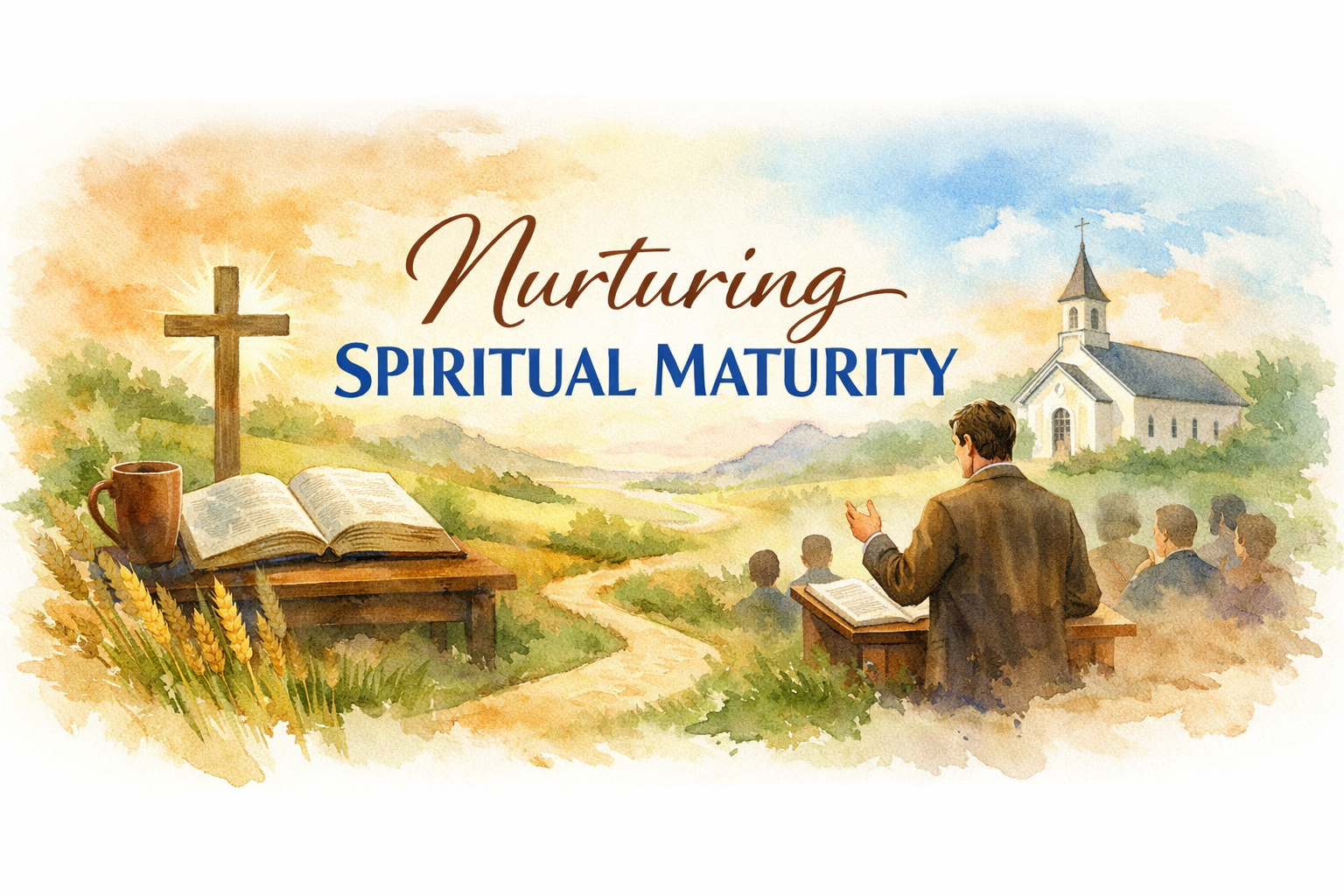
I. The Pastor’s Calling in Spiritual Formation
- Biblical mandate — Shepherd the flock (1 Pet. 5:2), equip the saints (Eph. 4:11–12), and labor for Christ formed in them (Gal. 4:19).
- Role clarity — Pastors are not event managers; they are spiritual cultivators.
- Goal: A congregation marked by Christlike character, discernment, and obedience.
II. Foundations of Spiritual Maturity
- Regeneration and new life — Growth begins with genuine conversion.
- Biblical literacy — People cannot grow beyond what they know of God’s Word.
- Prayerful dependence — Maturity is impossible without communion with God.
- Obedience and transformation — Growth is measured by lived-out truth.
III. Core Practices Pastors Must Model
- Consistent prayer life — Pastors lead best from the overflow of their own walk.
- Scripture saturation — Teaching must flow from deep personal study.
- Authentic humility — Vulnerability builds trust and invites imitation.
- Healthy rhythms — A spiritually exhausted pastor cannot nurture spiritual vitality.
IV. Teaching That Produces Maturity
- Expository preaching — Scripture shapes the people when Scripture shapes the sermon.
- Application-rich teaching — Show how truth transforms daily life.
- Doctrinal grounding — Mature believers must understand what they believe and why.
- Teaching for discernment — Equip people to recognize truth from error.
V. Discipleship Structures That Work
- Small discipleship groups — Growth happens in relationship, not rows.
- Mentoring pathways — Pair mature believers with newer ones.
- Leadership development — Multiply maturity by training others to teach and shepherd.
- Service opportunities — People grow when they serve.
VI. Shepherding Through Life’s Realities
- Pastoral counseling — Guide people through grief, conflict, temptation, and calling.
- Accountability structures — Loving correction protects spiritual growth.
- Family discipleship support — Equip parents to disciple their homes.
- Crisis shepherding — Maturity often grows fastest in hardship.
VII. Creating a Culture of Growth
- Expectations of maturity — Normalize growth, not stagnation.
- Celebrating transformation — Testimonies inspire others to pursue maturity.
- Healthy church relationships — Unity, forgiveness, and love are signs of maturity.
- Spirit-led environment — Encourage sensitivity to the Spirit’s leading.
VIII. Evaluating Spiritual Maturity in the Church
- Biblical metrics — Fruit of the Spirit, obedience, love, service.
- Congregational assessment — Identify strengths and gaps.
- Pastoral reflection — Evaluate teaching, shepherding, and leadership.
- Long-term planning — Growth requires intentional direction.
IX. Challenges Pastors Face
- Cultural distractions — Competing voices weaken spiritual focus.
- Consumer Christianity — Shift people from “feed me” to “grow me.”
- Burnout and discouragement — Protect the pastor’s soul.
- Resistance to change — Maturity requires courage to confront stagnation.
X. A Pastor’s Encouragement
- Faithfulness over results — God grows the seed; pastors plant and water.
- Long obedience — Spiritual maturity is slow but sure.
- Hope in Christ’s work — The Spirit transforms hearts, not human effort alone.

Leave a Reply