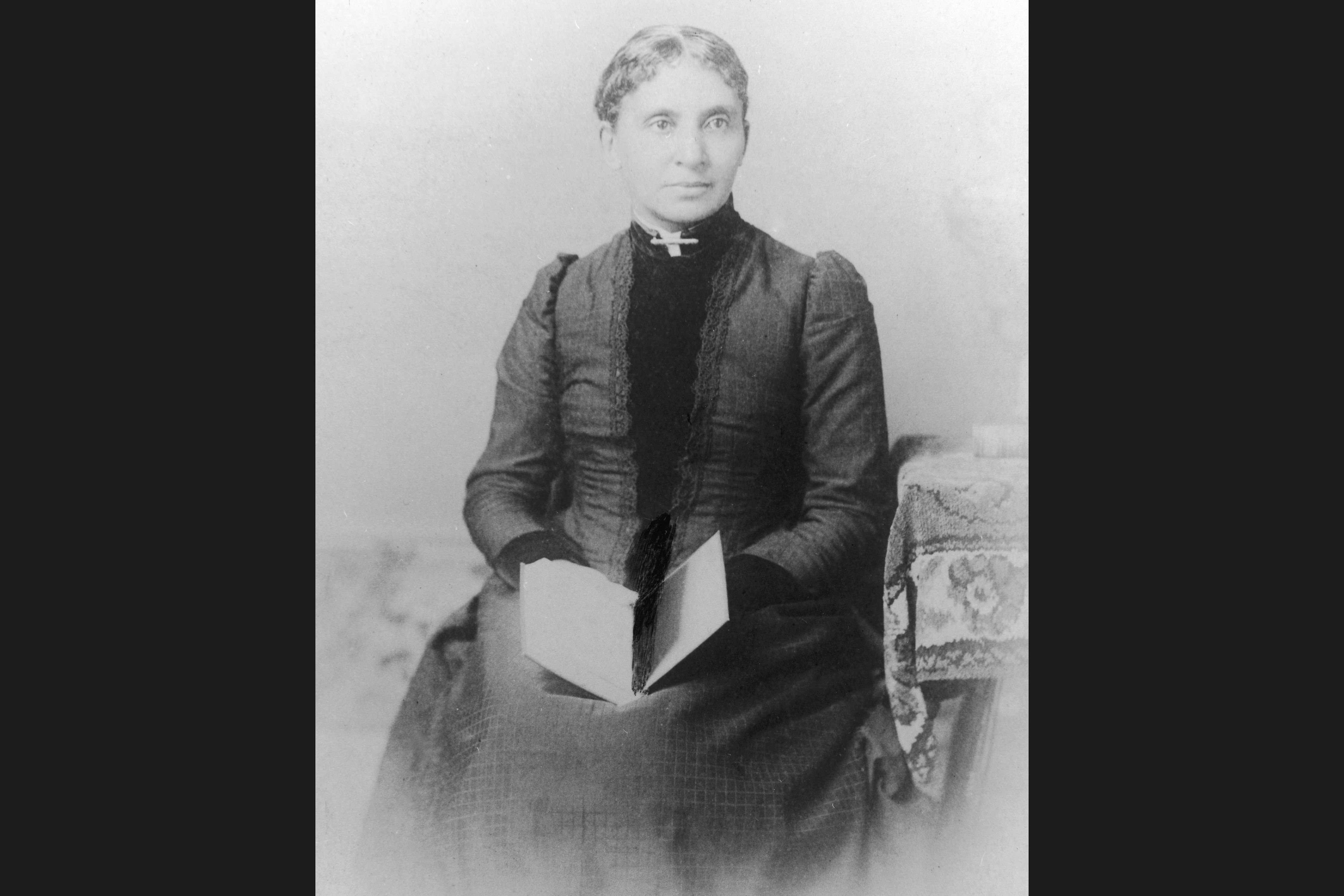
Charlotte Forten Grimké: A Voice for Freedom, Education, and Justice

Charlotte Forten Grimké stands as one of the most compelling figures of the 19th century—a writer, educator, abolitionist, and tireless advocate for racial equality. Her life reflects courage, intellect, and a deep commitment to uplifting others through education and the written word.
Early Life: A Childhood Shaped by Activism and Learning
Charlotte Louise Bridges Forten was born on August 17, 1837, in Philadelphia, Pennsylvania, into a prominent free Black family known for its activism and intellectual leadership. The Fortens were deeply involved in the abolitionist movement, and their home served as a gathering place for some of the most influential voices of the era.
Growing up in this environment, Charlotte was surrounded by books, discussions on justice, and examples of courageous advocacy. She received an excellent education—rare for African American girls at the time—attending private schools in the North where she developed a love for literature, languages, and poetry. Her early journals reveal a thoughtful young woman wrestling with the realities of racism while nurturing a fierce desire to contribute to the struggle for freedom.
Middle Life: Teaching, Writing, and the Sea Islands Mission
Charlotte’s adult life was marked by purposeful action. In the late 1850s, she moved to Salem, Massachusetts, where she became the first African American student to attend the Salem Normal School (now Salem State University). After graduating, she taught in Salem’s integrated public schools—again breaking racial barriers.
Her most historically significant work began during the Civil War. In 1862, Charlotte volunteered with the Port Royal Experiment, a pioneering effort to educate formerly enslaved people on the Sea Islands of South Carolina. She became the first Black teacher to work among the freedmen there.
Her journals from this period—later published—offer vivid, compassionate accounts of the lives, hopes, and resilience of the newly freed families she served. They remain some of the most important firsthand writings from the Reconstruction era.
Charlotte also wrote essays and poems for abolitionist publications, using her voice to challenge injustice and advocate for equality. Her writing blended intellect, empathy, and moral clarity, making her a respected figure in literary and activist circles.
In 1878, she married Rev. Francis J. Grimké, a prominent minister and civil rights leader. Together, they became influential members of Washington, D.C.’s Black intellectual and activist community.
End of Life: Legacy, Passing, and Resting Place
Charlotte Forten Grimké continued to write, teach, and advocate for justice throughout her later years. She remained active in Washington, D.C., supporting educational initiatives and civil rights efforts alongside her husband.
She died on July 23, 1914, in Washington, D.C.
Charlotte is buried in Harmony Cemetery, a historic African American burial ground in Washington, D.C. Although many graves from Harmony Cemetery were later relocated, her legacy remains firmly rooted in the city where she spent her final decades.
A Legacy That Still Teaches
Charlotte Forten Grimké’s life is a testament to the power of education, the written word, and steadfast moral conviction. She broke barriers as a student, teacher, and writer; she uplifted newly freed families with compassion and skill; and she left behind writings that continue to illuminate the complexities of race, freedom, and hope in America.
Her story enriches Black History Month by reminding us that change is often carried forward by those who teach, write, and nurture the minds of others.
Timeline of Charlotte Forten Grimké
Early Life
- 1837 – Born on August 17 in Philadelphia, Pennsylvania, into the prominent abolitionist Forten family.
- 1840s–1850s – Receives an exceptional education in private schools; begins keeping detailed journals reflecting her intellectual and moral development.
Education and Early Career
- 1854 – Moves to Salem, Massachusetts, to continue her studies.
- 1856 – Becomes the first African American student admitted to the Salem Normal School (now Salem State University).
- 1856–1858 – Graduates and begins teaching in Salem’s integrated public schools, becoming the first Black teacher in the city’s school system.
Civil War Era and Sea Islands Mission
- 1862 – Volunteers for the Port Royal Experiment in South Carolina; becomes the first Black teacher to educate formerly enslaved people on the Sea Islands.
- 1862–1864 – Keeps detailed journals documenting her experiences, later published and recognized as significant firsthand accounts of the era.
Writing, Advocacy, and Later Work
- 1860s–1870s – Publishes essays and poetry in abolitionist and literary journals; continues activism for racial equality and women’s rights.
- 1878 – Marries Rev. Francis J. Grimké, a prominent minister and civil rights leader in Washington, D.C.
- Late 1800s–Early 1900s – Remains active in education, writing, and community leadership in Washington, D.C.
End of Life and Legacy
- 1914 – Dies on July 23 in Washington, D.C.
- Burial – Laid to rest in Harmony Cemetery, a historic African American cemetery in Washington, D.C.
Legacy
Charlotte Forten Grimké is remembered as a pioneering educator, gifted writer, and courageous advocate for freedom and equality. Her journals and educational work continue to illuminate the resilience and aspirations of African Americans during the Civil War and Reconstruction eras.

Leave a Reply