Category: bible
-
Building a Godly Family Legacy
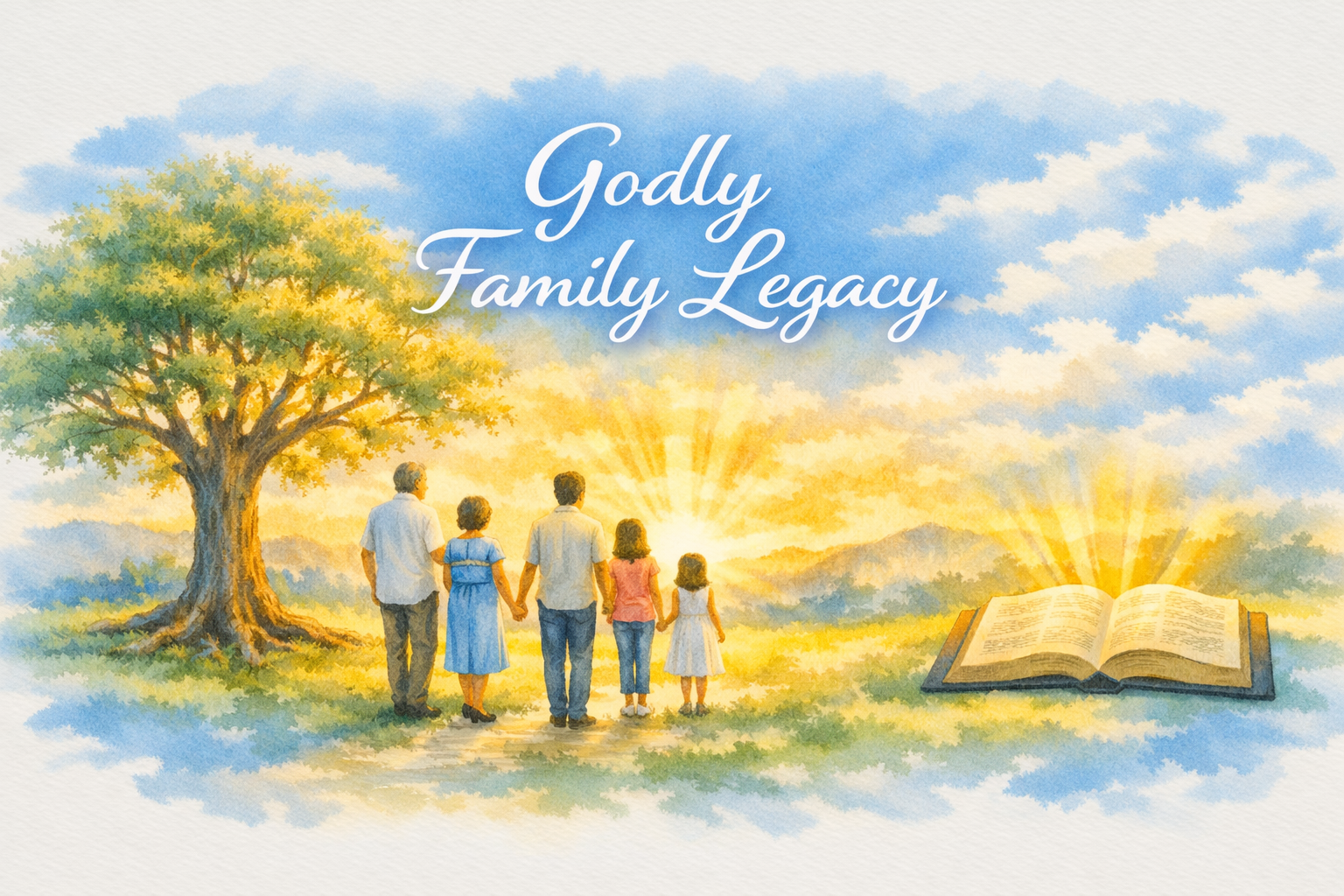
Building a Godly Family Legacy involves nurturing faith, character, and covenant living across generations through intentional teaching and example.
-
Obedience in the Lord
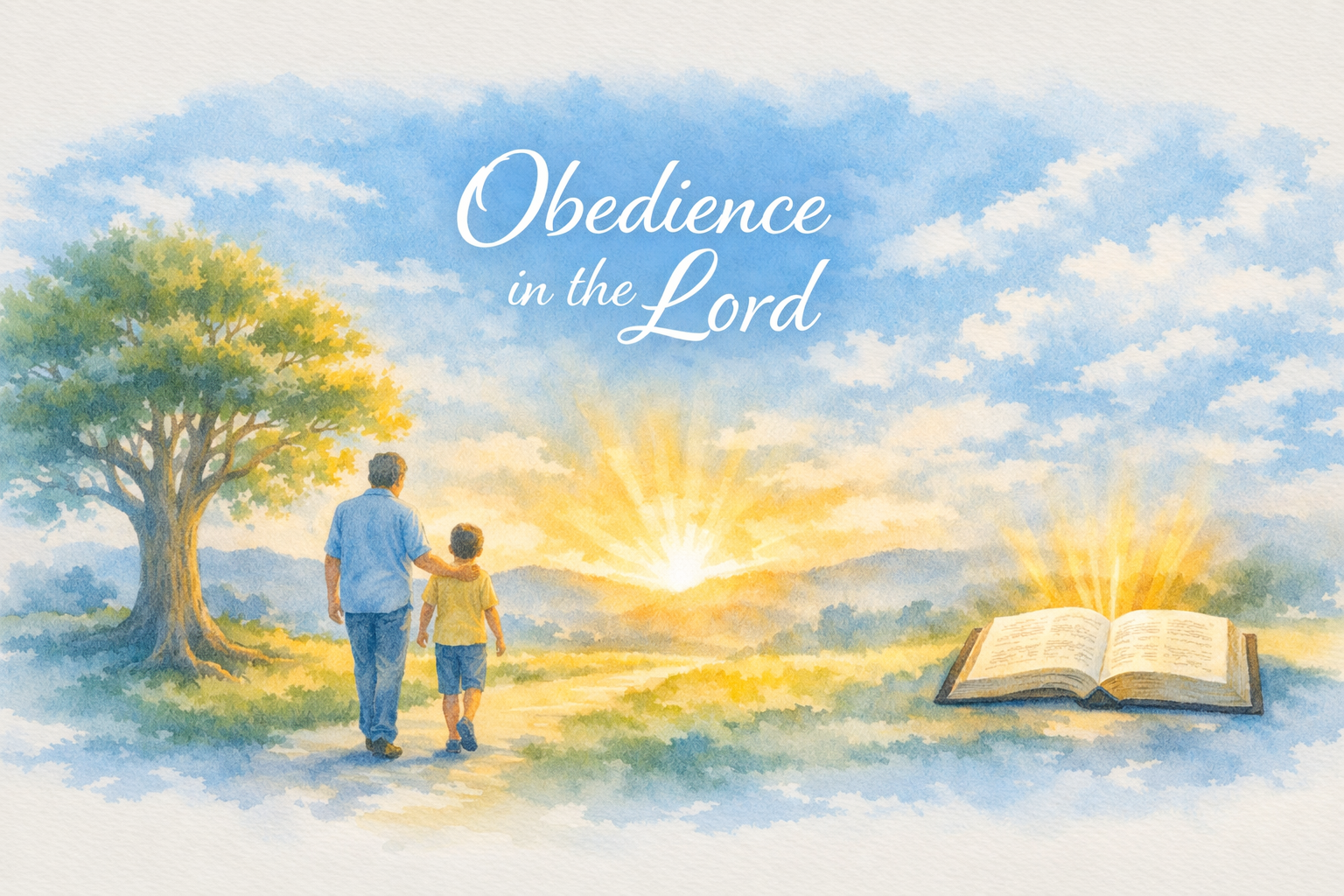
Obedience in the Lord shapes children and families, emphasizing discipleship, love, and righteousness while avoiding blind submission.
-
🎺 Study Outline: The Last Trumpet
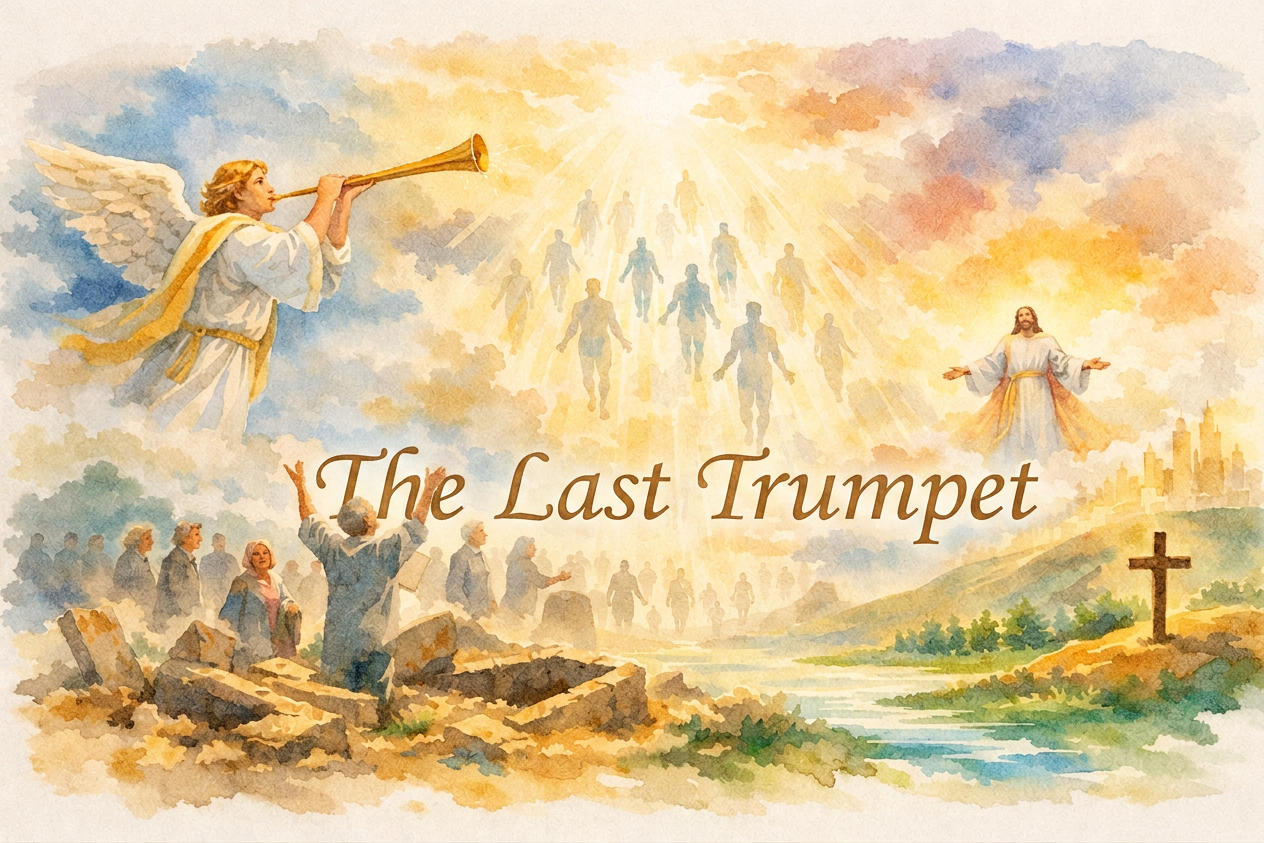
Trumpets signify God’s authority and transitions in Scripture, heralding events from covenant to Christ’s return, emphasizing watchfulness and unity.
-
Hezekiah: A Model of Faithful Leadership in Judah

Hezekiah, a significant king of Judah, is known for spiritual reforms, strong leadership against Assyria, and a deep relationship with God.
-
Assyria’s Conquest: Understanding Israel’s Exile
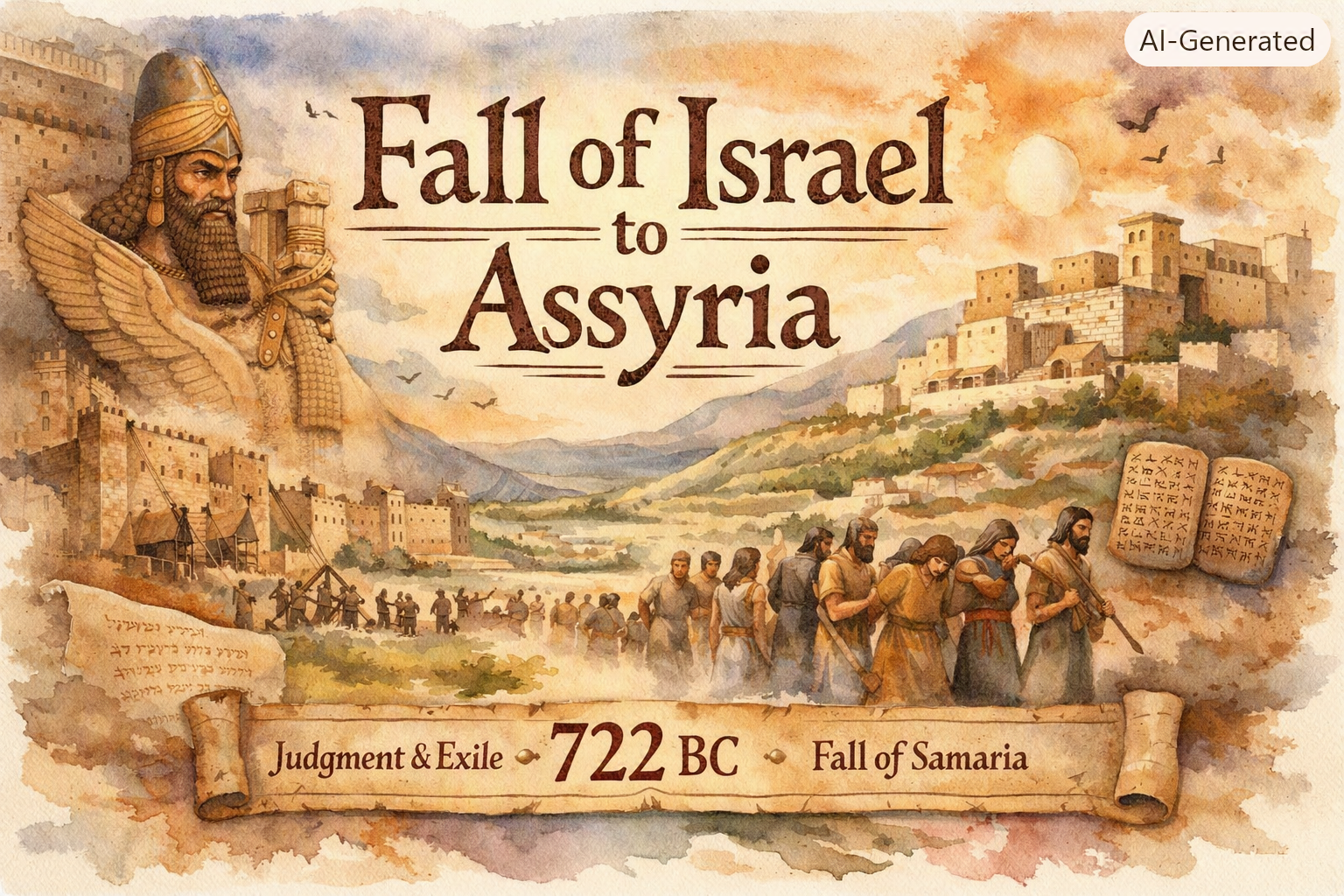
The fall of Israel to Assyria (c. 722-721 BC) signified the Northern Kingdom’s end and divine judgment for covenant violations.
-
Honoring Parents Biblically
Honoring parents, a biblical command, involves respect, care, and gratitude throughout life, resulting in personal and familial blessings.
-
⏳ Eschatology Timeline (Church History Focus)
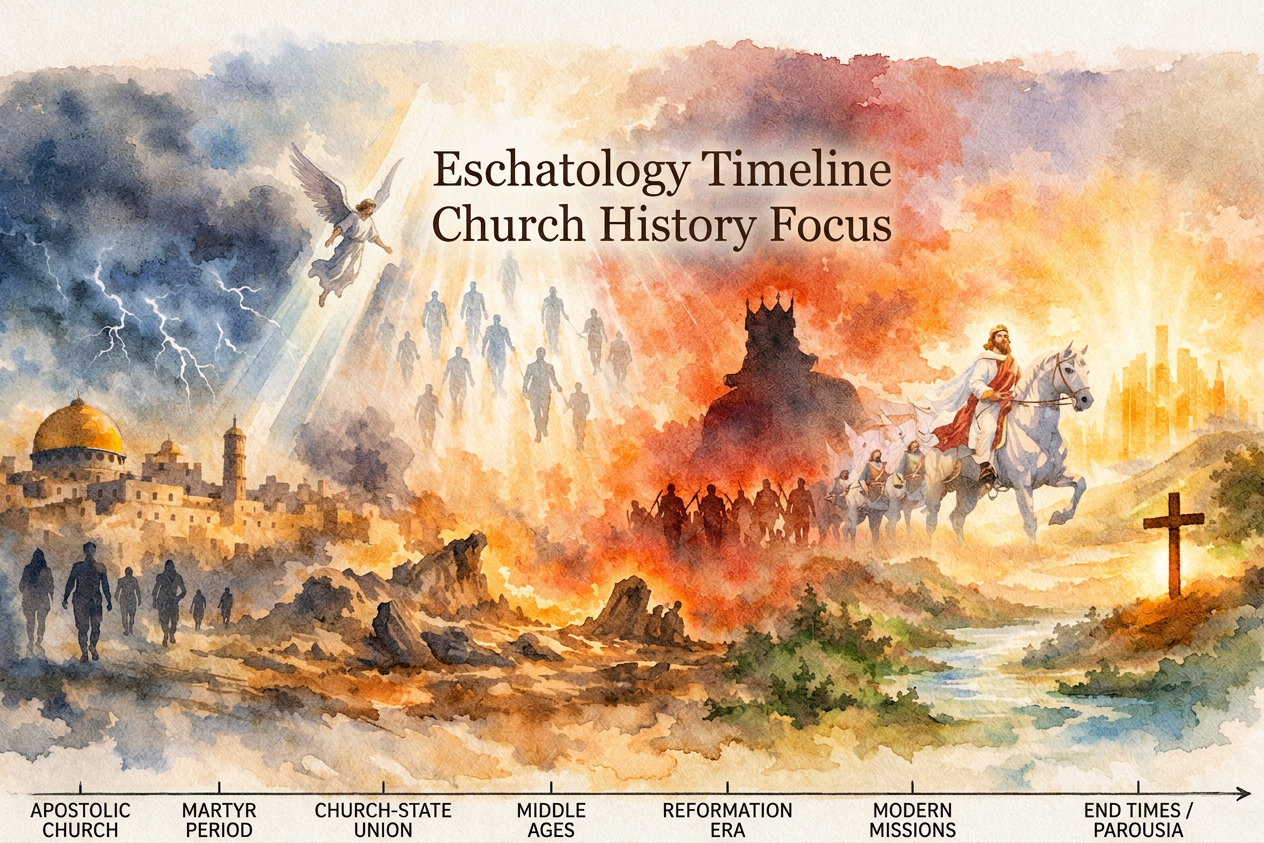
The evolution of early Christian eschatology stressed endurance through tribulation, shifting from premillennialism to amillennialism over centuries.
-
🕊️ Early Church Eschatology

Early Christians expected tribulation and the Antichrist before Christ’s return, emphasizing endurance and a unified view of resurrection and reign.
-
The Pastoral Biblical Mandate

This module guides ministry leaders in biblical shepherding, emphasizing spiritual maturity, servant leadership, discipleship, and nurturing church growth.
-
Navigating Life’s Seasons Through Biblical Teachings
This content explores family seasons and biblical teachings, emphasizing God’s design for faith, legacy, and discipleship across generations.