Category: The Story of Mankind
-

As for Sulla, he became “Dictator,” which meant sole and supreme ruler of all the Roman possessions. He ruled Rome for four years, and he died quietly in his bed, having spent the last year of his life tenderly raising his cabbages, as was the custom of so many Romans who had spent a lifetime…
-
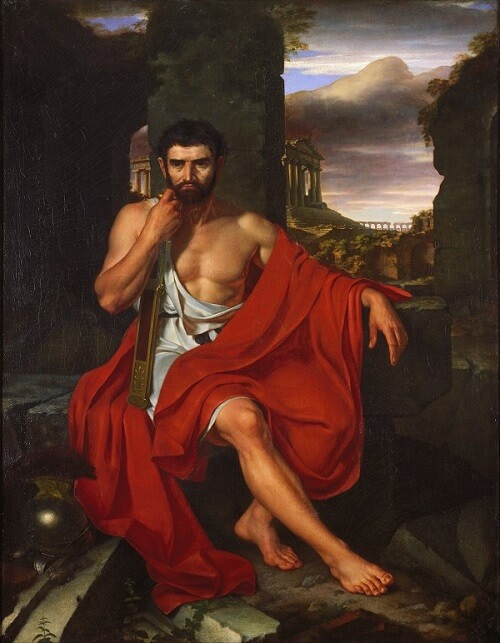
When the Roman armies returned from these many victorious campaigns, they were received with great jubilation. Alas and alack! this sudden glory did not make the country any happier. On the contrary. The endless campaigns had ruined the farmers who had been obliged to do the hard work of Empire making. It had placed too…
-
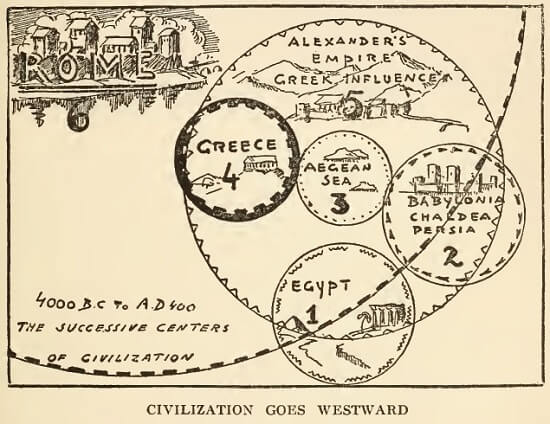
The Roman Empire was an accident. No one planned it. It “happened.” No famous general or statesman or cutthroat ever got up and said “Friends, Romans, Citizens, we must found an Empire. Follow me and together we shall conquer all the land from the Gates of Hercules to Mount Taurus.” Rome produced famous generals and…
-

This short account of the early history of Rome shows you the enormous difference between the Roman ideal of a healthy state, and that of the ancient world which was embodied in the town of Carthage. The Romans counted upon the cheerful and hearty co-operation between a number of “equal citizens.” The Carthaginians, following the…
-

Carthage evolved from a prosperous trading post to a powerful plutocracy, while Rome developed as a resilient republic by embracing inclusivity and practical governance, fostering loyalty among its allies.
-
When the Achaeans had left their homes along the banks of the Danube to look for new pastures, they had spent some time among the mountains of Macedonia. Ever since, the Greeks had maintained certain more or less formal relations with the people of this northern country. The Macedonians from their side had kept themselves…
-
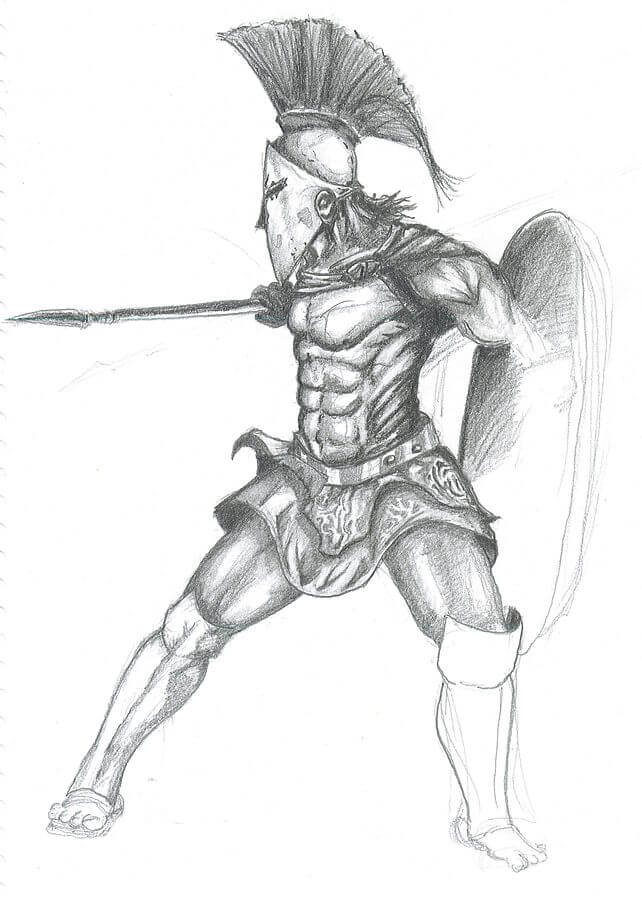
Athens and Sparta were both Greek cities and their people spoke a common language. In every other respect they were different. Athens rose high from the plain. It was a city exposed to the fresh breezes from the sea, willing to look at the world with the eyes of a happy child. Sparta, on the…
-

This resource collection for children promotes learning through engaging books, fun facts, and simple recipes that inspire curiosity and imagination.
-
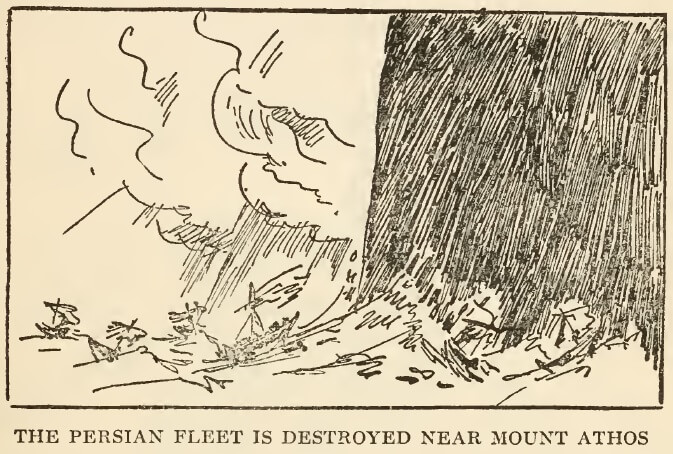
The Greeks had learned the art of trading from the Aegeans who had been the pupils of the Phoenicians. They had founded colonies after the Phoenician pattern. They had even improved upon the Phoenician methods by a more general use of money in dealing with foreign customers. In the sixth century before our era they…
-
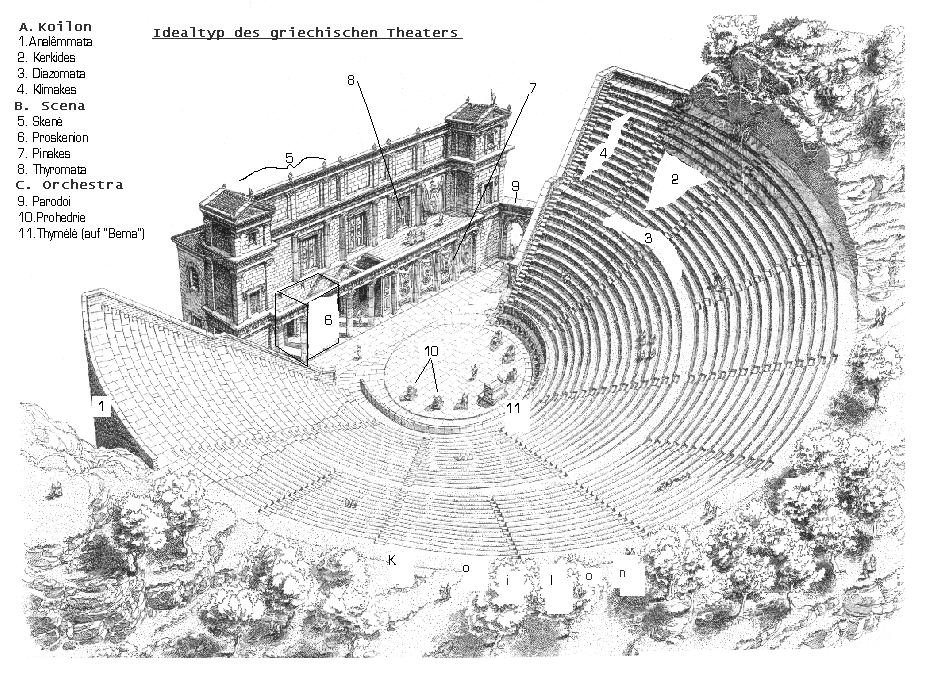
The Greek Theater At a very early stage of their history the Greeks had begun to collect the poems, which had been written in honor of their brave ancestors who had driven the Pelasgians out of Hellas and had destroyed the power of Troy. These poems were recited in public and everybody came to listen…