A place to grow your relationship with God

Archive for the ‘1st grade math’ Category

Math:  Subtract Numbers Up to 60

STEP 1

  • Have the children write out and complete the subtraction exercises below on paper.

STEP 2

  • Assess mastery by reading aloud the listed problems and having the children mentally compute and recite the solutions.
  • If children have difficulties, have children redo their written practice with pencil and paper again and then reassess.
Math: Subtract Numbers Up to 50

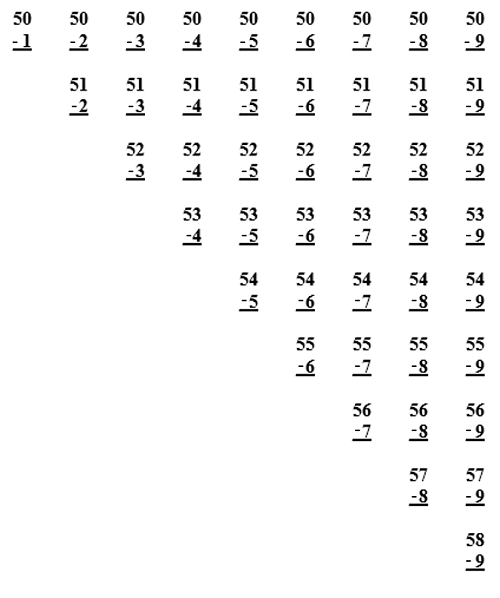
STEP 1

  • Have the children write out and complete the subtraction exercises below on paper.

STEP 2

  • Assess mastery by reading aloud the listed problems and having the children mentally compute and recite the solutions.
  • If children have difficulties, have children redo their written practice with pencil and paper again and then reassess.
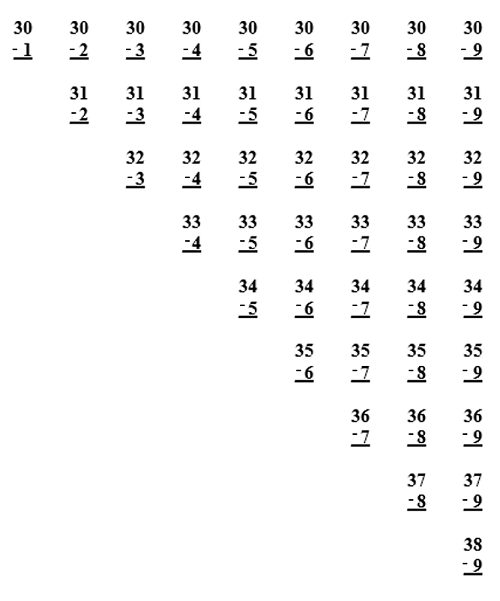
Math: Subtract Numbers Up to 40

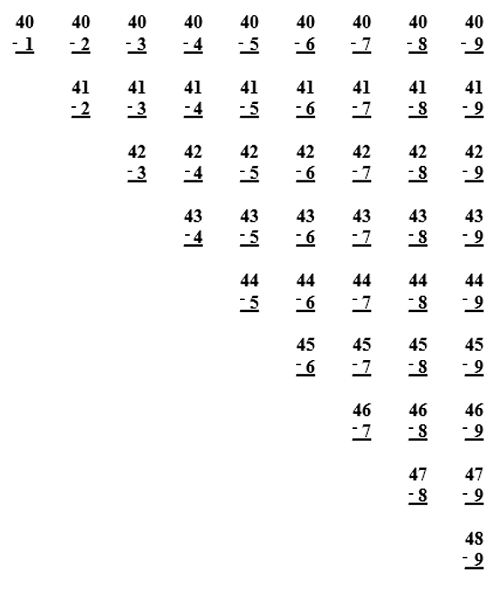
STEP 1

  • Have the children write out and complete the subtraction exercises below on paper.

STEP 2

  • Assess mastery by reading aloud the listed problems and having the children mentally compute and recite the solutions.
  • If children have difficulties, have children redo their written practice with pencil and paper again and then reassess.
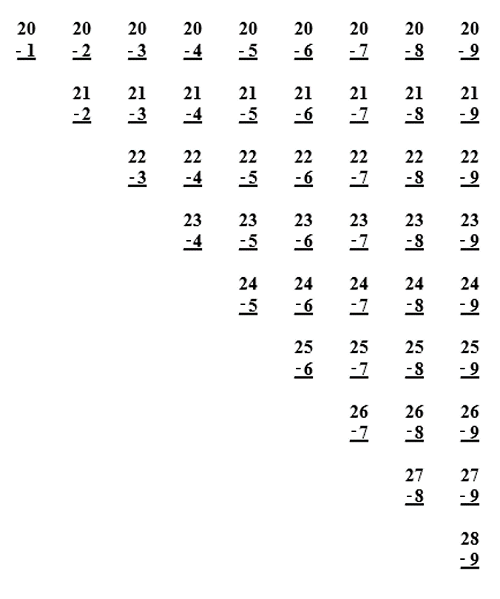
Math: Subtract Numbers Up to 30

STEP 1

  • Have the children write out and complete the subtraction exercises below on paper.

STEP 2

  • Assess mastery by reading aloud the listed problems and having the children mentally compute and recite the solutions.
  • If children have difficulties, have children redo their written practice with pencil and paper again and then reassess.
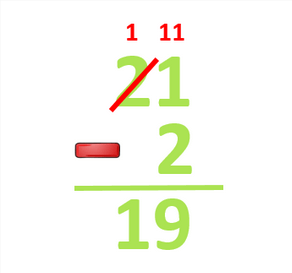
Math: Subtract and Borrow

STEP 1

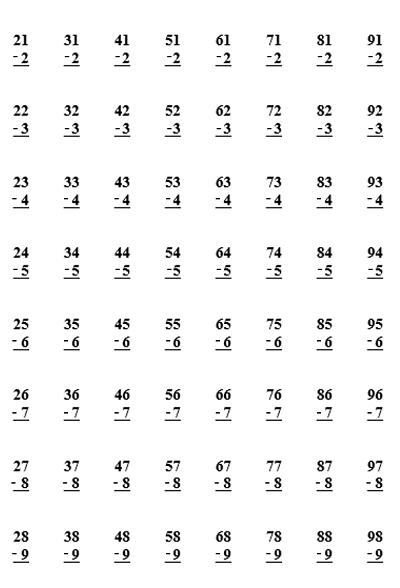
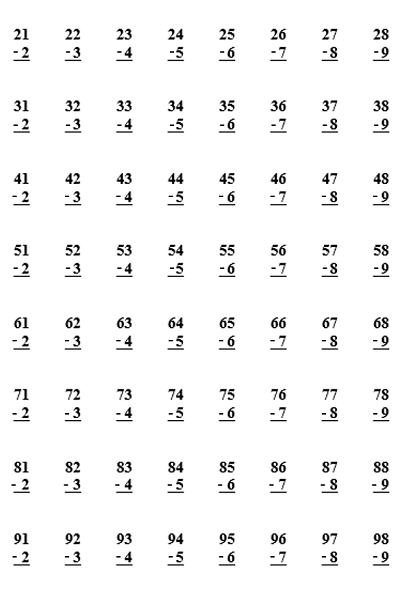
  • Teach the children in such cases to add ten to the units of the minuend before subtracting the digit number, and to subtract one from the tens of the minuend to obtain the tens of the answer.
  • Go through several of the examples from the table below with the children, until they grasp the concept.

STEP 2

  • Have the children complete the two exercises below by copying the problems and then solving them.
Exercise 1
Exercise 2

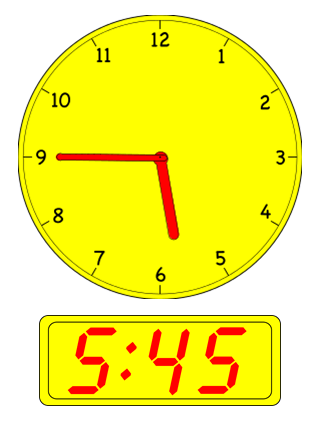
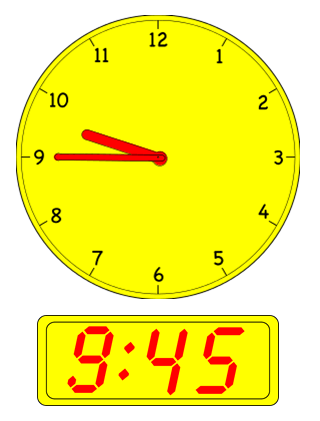
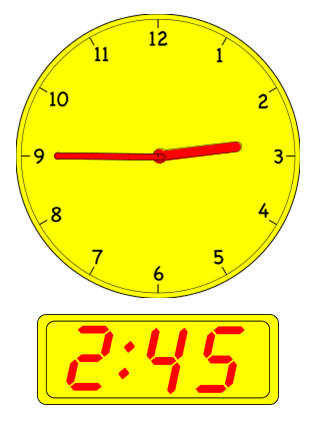
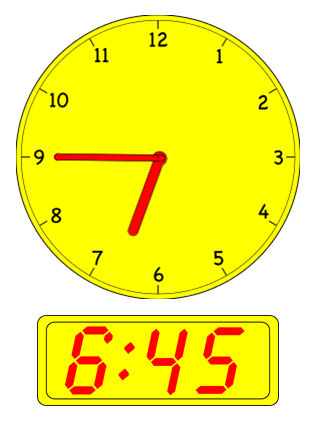
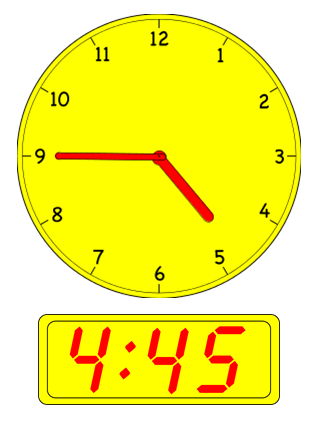
Math: Quarter To Times

STEP 1

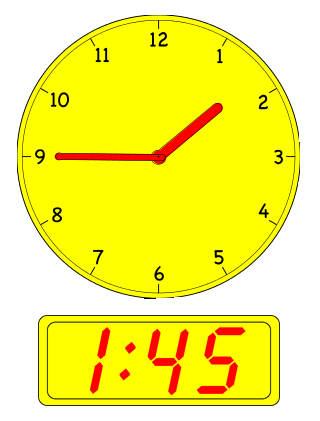
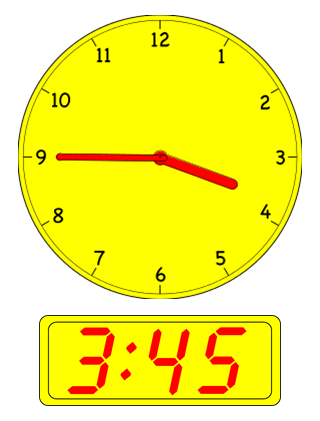
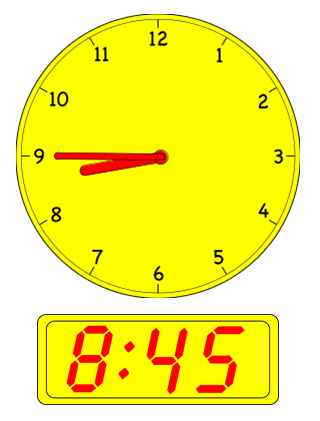
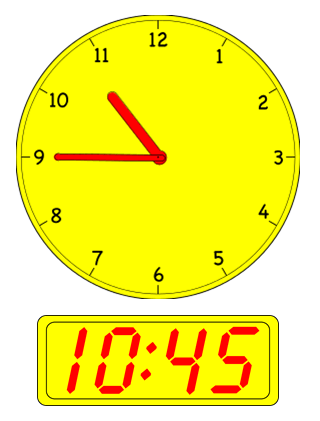
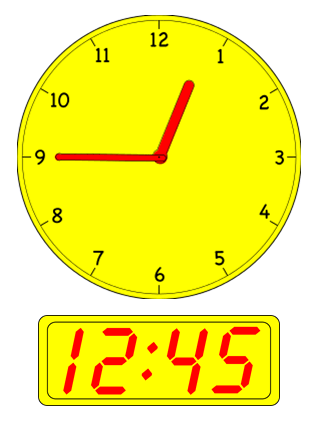
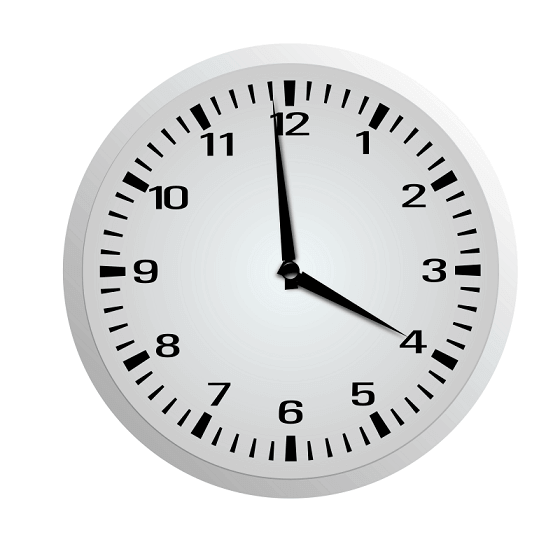
Tell children the minute hand points to the 9, for (9×5 = 45) 45 minutes past the hour.

  • Show children the clock images below in order and have them recite the times (e.g. Quarter to Two, One forty-five etc.).

STEP 2

  • Point to the clock images in a random order and have children determine and speak aloud the times.

STEP 3

  • Have children draw clocks showing each of these times.

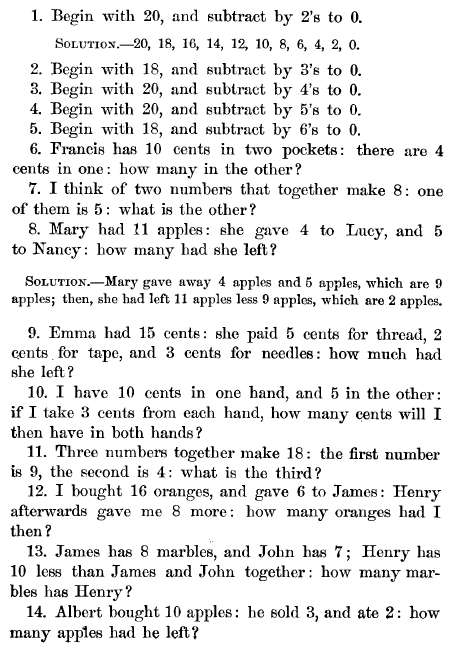
Math: Review – Subtract 3 values, Counting Down by 2s, 3s, 4s, 5s, and 6s

STEP 1

  • Have children use physical objects to demonstrate and solve these exercises, such as an abacus, toys, or beans.

STEP 2

  • Have children write out each problem and solution in equation form. For example, children write ’20, 18, 16, 14, 12, 10, 8, 6, 4, 2, 0′ for ‘Begin with 20, and subtract by 2’s to 0.’

STEP 3

  • Assess mastery by reading aloud the listed problems and having the children mentally compute and recite the solutions.
  • If children have difficulties, work with physical objects again and then reassess.
Math: Other Times

STEP 1

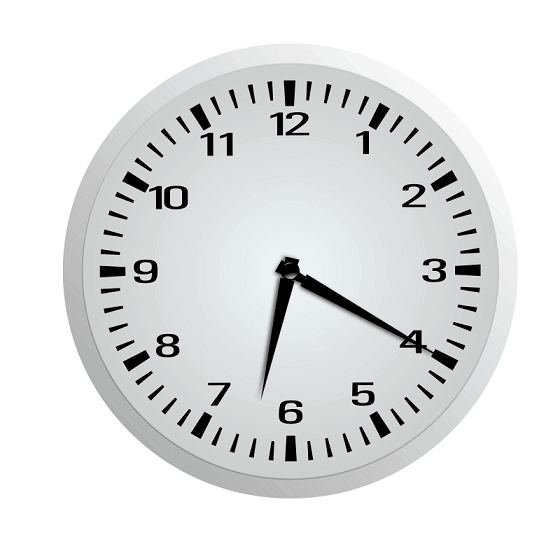
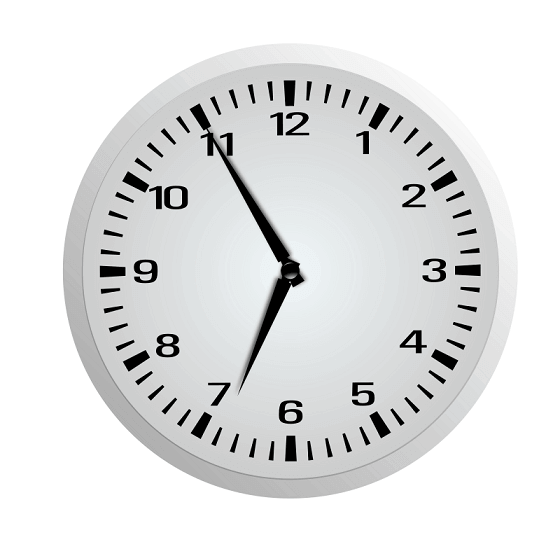
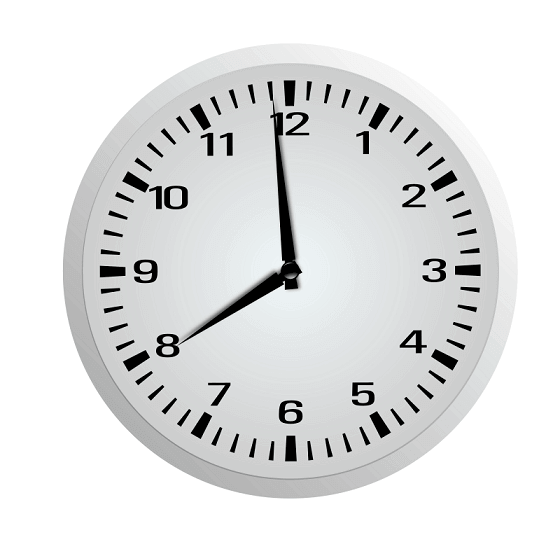
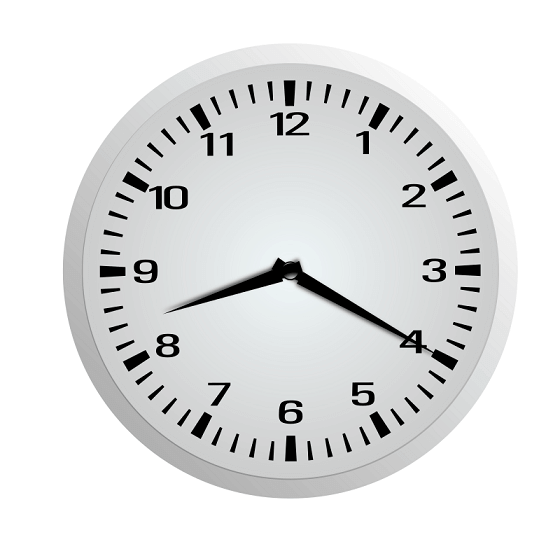
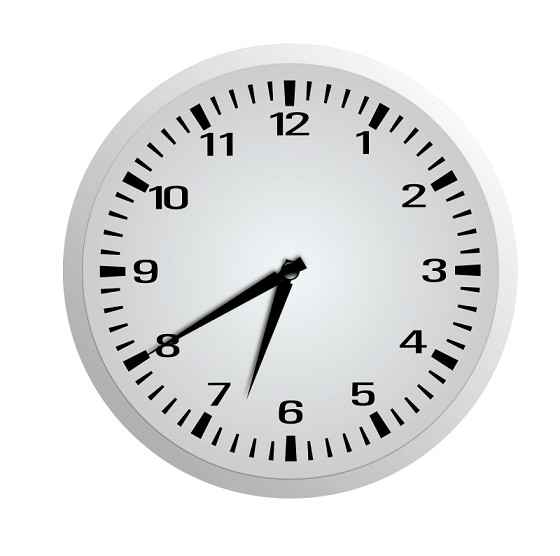
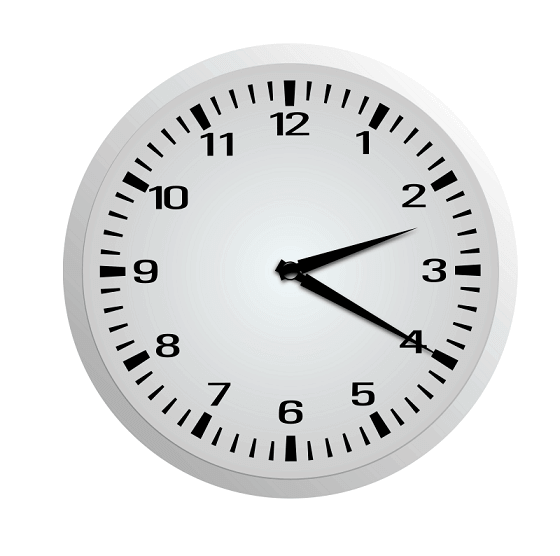
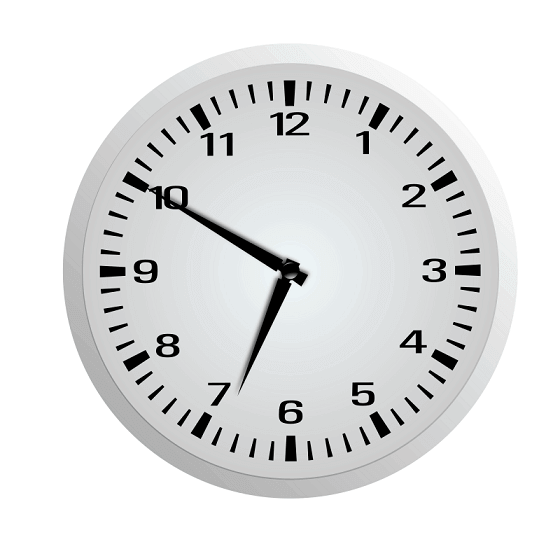
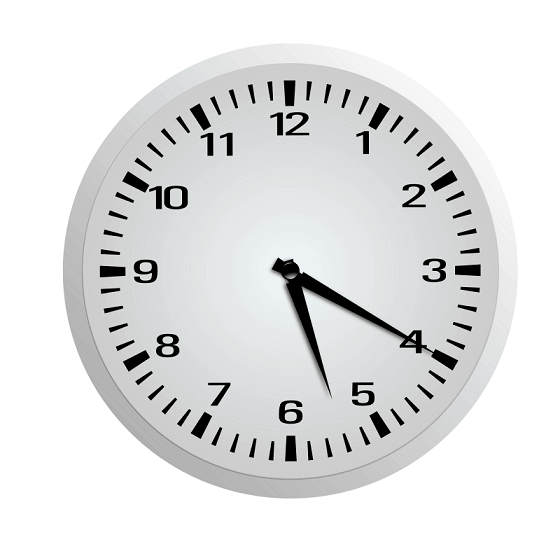
Teach children how to calculate other times. For example, two marks past the 9 is (9×5+2 = 47) 47 minutes past the hour.
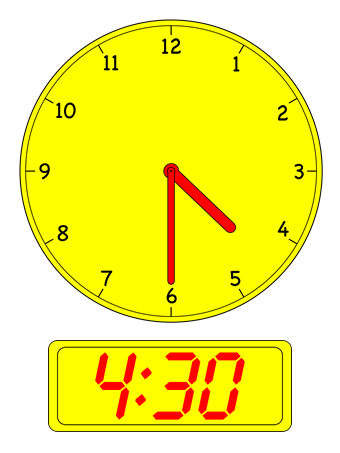
  • Show children the clock images below in order and have them recite the times (e.g. Twenty minutes after six or six twenty etc.).

STEP 2

  • Point to the clock images in a random order and have children determine and speak aloud the times.

STEP 3

  • Have children draw clocks showing random times – 3:47, 2:02, 8:03, etc.
  • Continue to work on this until children can draw any time on the clock.

Math: Half Hour Times

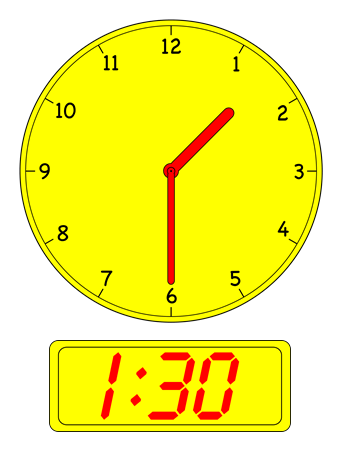
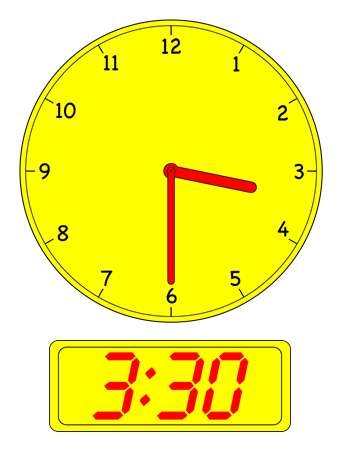
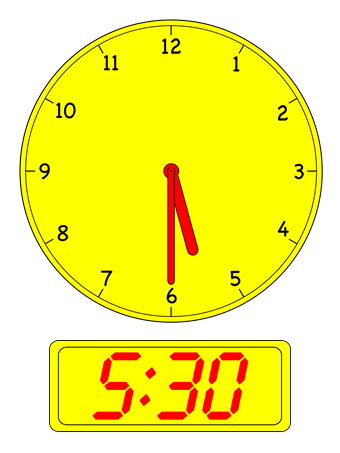
STEP 1

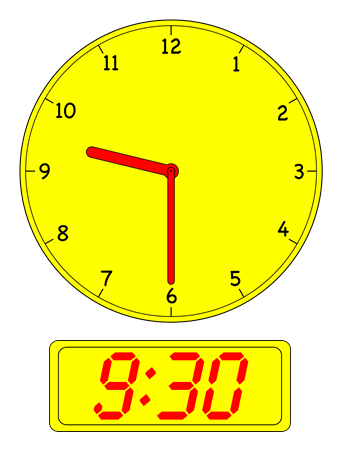
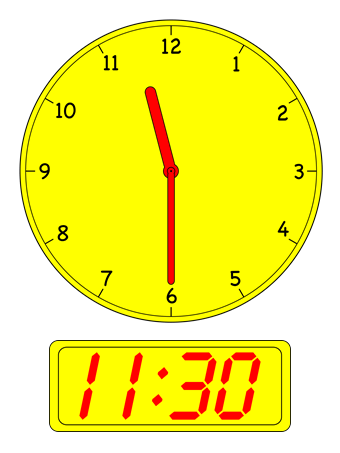
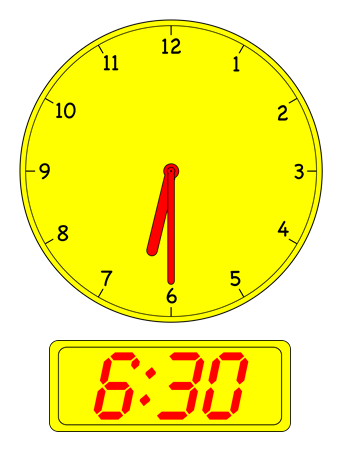
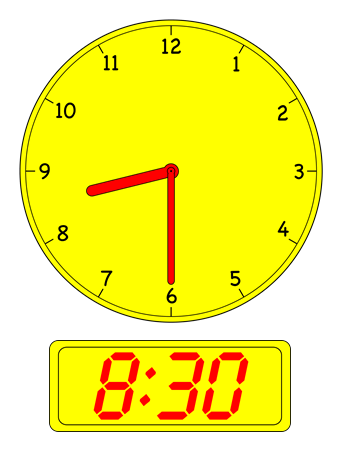
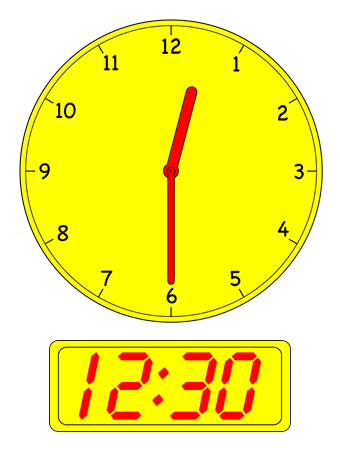
Tell children the minute hand points to the 6, for (6×5 = 30) 30 minutes past the hour.

  • Show children the clock images below in order and have them recite the times (e.g. Half-past One, One thirty etc.).

STEP 2

  • Point to the clock images in a random order and have children determine and speak aloud the times.

STEP 3

  • Have children draw clocks showing each of these times.

Math:  Review – Combining Addition and Subtraction

STEP 1

  • Have children use physical objects to demonstrate and solve these exercises, such as an abacus, toys, or beans.

STEP 2

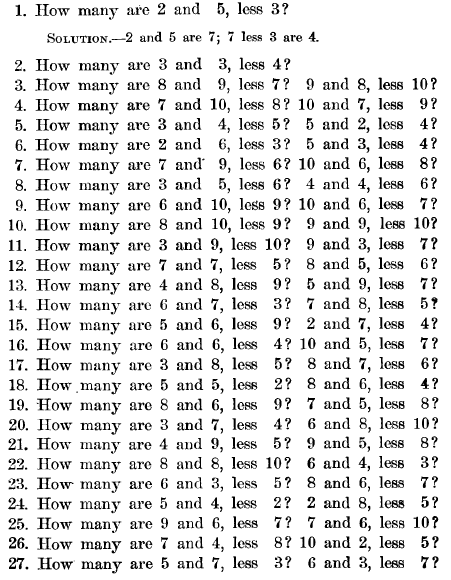
  • Have children write out each problem and solution in equation form. For example, children write ‘2 + 5 – 3 = 4’ for ‘How many are 2 and 5, less 3?’

STEP 3

  • Assess mastery by reading aloud the listed problems and having the children mentally compute and recite the solutions.
  • If children have difficulties, work with physical objects again and then reassess.