A place to grow your relationship with God

Archive for the ‘1st grade math’ Category

Math: Quarter-hour Times

Step 1

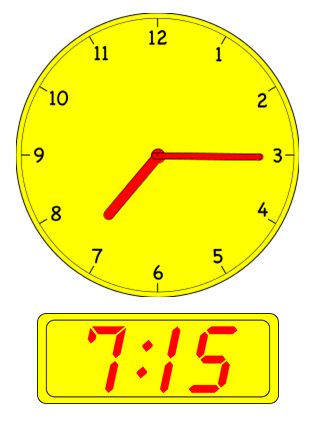
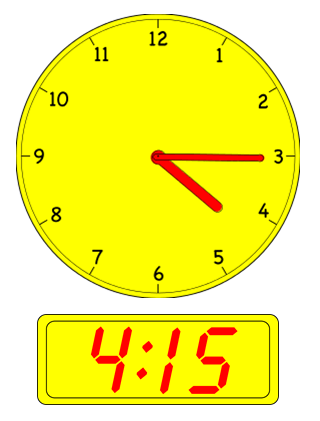
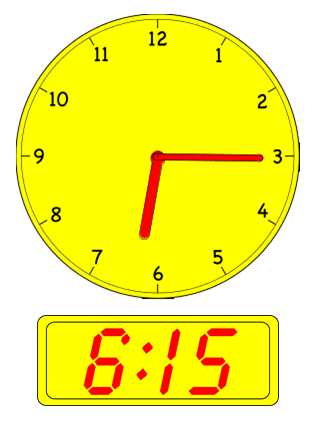
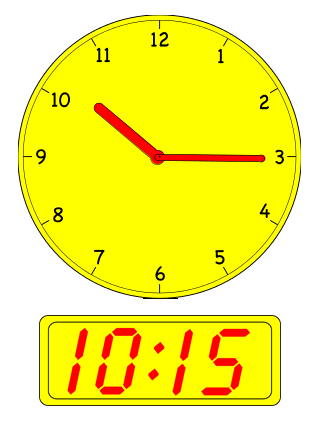
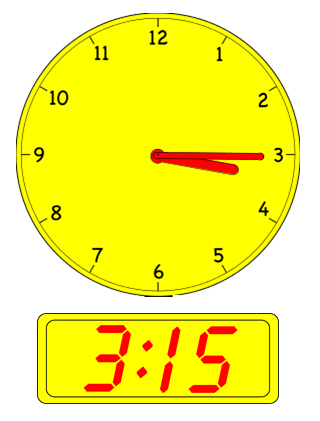
  • Show children the clock images below in order and have them recite the times (e.g. Quarter-past One, One fifteen, etc.).

STEP 2

  • Point to the clock images in a random order and have children determine and speak aloud the times.

STEP 3

  • Have children draw clocks showing each of these times.
Math: Review – Subtraction

Step 1

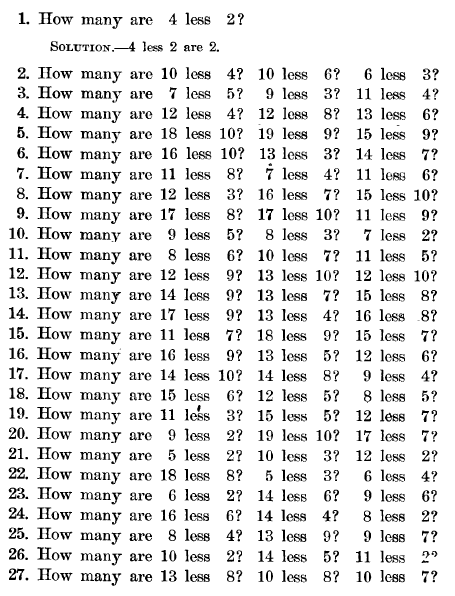
  • Have children use physical objects to demonstrate and solve these exercises, such as an abacus, toys, or beans.

Step 2

  • Have children write out each problem and solution in equation form. For example, children write ‘4 – 2 = 2’ for ‘How many are 4 less 2?’

Step 3

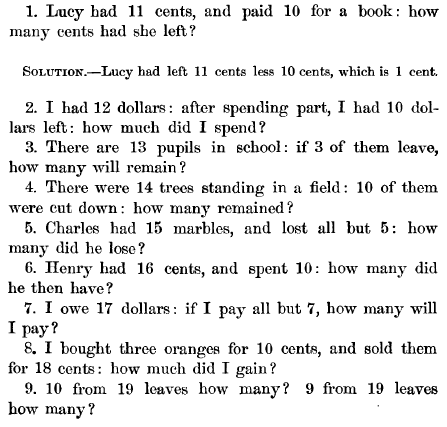
  • Assess mastery by reading aloud the listed problems and having the children mentally compute and recite the solutions.
  • If children have difficulties, work with physical objects again and then reassess.

Math: Whole Hour Times

STEP 1

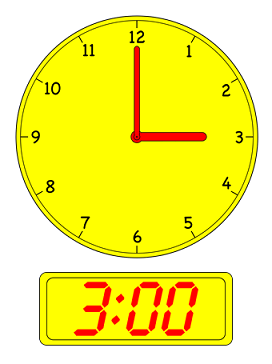
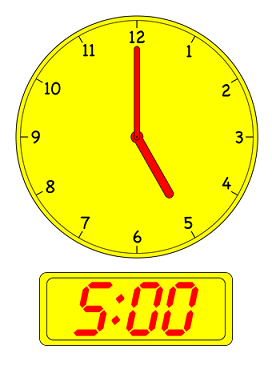
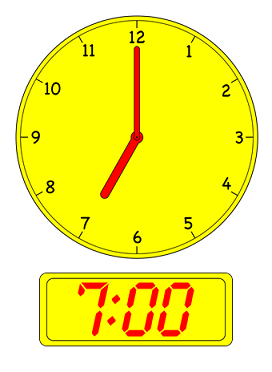
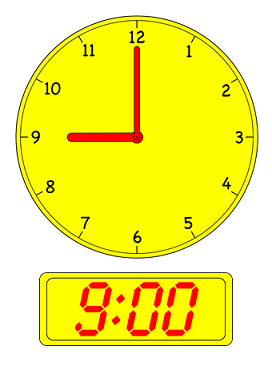
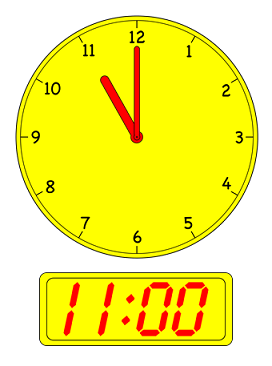
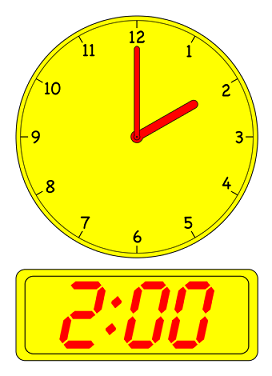
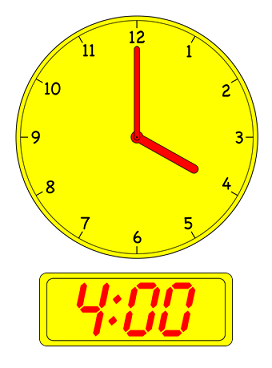
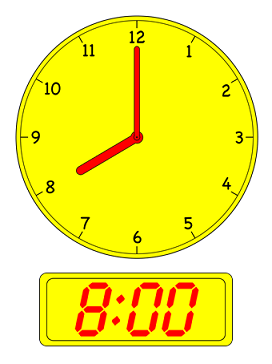
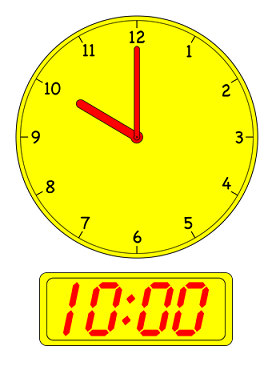
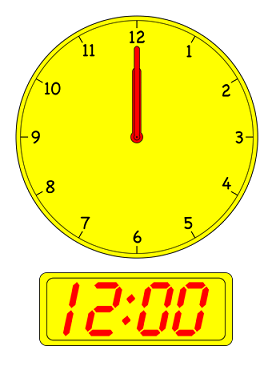
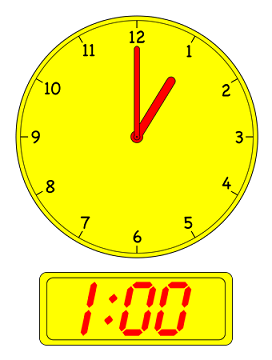
Teach children whole hour times – 12 o’clock, 1 o’clock, 2 o’clock, etc. for both digital and analog clocks.

  • Show children the clock images below in order and have them recite the times.

STEP 2

  • Point to the clock images in a random order and have children determine and speak aloud the times.

STEP 3

  • Have children draw clocks showing each of these times.
Math: Clock Markings

STEP 1

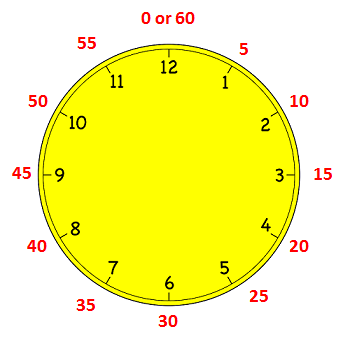
Teach children that the numbers 1-12 mark the hours, the minutes, and the seconds depending on which hand is pointing at the number. Point to each number on the clock image shown below and have children recite the following:

  • Pointing to 1 means 1 o’clock for the hour hand, 5 minutes past the hour for the minute hand, and 5 seconds past the hour for the second hand.
  • Pointing to 2 means 2 o’clock for the hour hand, 10 minutes past the hour for the minute hand, and 10 seconds past the hour for the second hand.
  • Pointing to 3 means 3 o’clock for the hour hand, 15 minutes past the hour for the minute hand, and 15 seconds past the hour for the second hand.
  • Pointing to 4 means 4 o’clock for the hour hand, 20 minutes past the hour for the minute hand, and 20 seconds past the hour for the second hand.
  • Pointing to 5 means 5 o’clock for the hour hand, 25 minutes past the hour for the minute hand, and 25 seconds past the hour for the second hand.
  • Pointing to 6 means 6 o’clock for the hour hand, 30 minutes past the hour for the minute hand, and 30 seconds past the hour for the second hand.
  • Pointing to 7 means 7 o’clock for the hour hand, 35 minutes past the hour for the minute hand, and 35 seconds past the hour for the second hand.
  • Pointing to 8 means 8 o’clock for the hour hand, 40 minutes past the hour for the minute hand, and 40 seconds past the hour for the second hand.
  • Pointing to 9 means 9 o’clock for the hour hand, 45 minutes past the hour for the minute hand, and 45 seconds past the hour for the second hand.
  • Pointing to 10 means 10 o’clock for the hour hand, 50 minutes past the hour for the minute hand, and 50 seconds past the hour for the second hand.
  • Pointing to 11 means 11 o’clock for the hour hand, 55 minutes past the hour for the minute hand, and 55 seconds past the hour for the second hand.
  • Pointing to 12 means 12 o’clock for the hour hand, 0 minutes past the hour for the minute hand, and 0 seconds past the hour for the second hand.

STEP 2

  • Note to children that they may multiply the numbers 1-12 in black by 5 to determine the number of minutes and/or seconds in red.
  • Have them calculate and recite the number of minutes and seconds.

Math:  Subtract Numbers from Up to 19

Step 1

  • Children separate a larger group of up to 19 objects into two smaller groups.
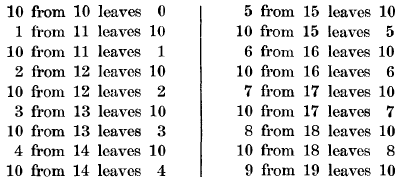
  • Repeatedly separate a group of objects into smaller groups per the table below. For example, 10 pencils from 10 pencils leaves 0 pencils, 8 coins from 18 coins leaves 10 coins, and 9 cars from 19 cars leaves 10 cars, etc.
  • When children are ready, have them separate the object groups themselves.
  • Children must perfectly master the operations listed in the table before proceeding to the next phase of the lesson.

Step 2

  • Children separate groups of objects they can’t see, but can imagine (bears, mountains, trees).
  • Using the table above as a guide, ask children to call out the answer to questions such as, ‘How many are one shoe from eleven shoes?’ and ‘How many are nine frogs from nineteen frogs?’
  • Give numerous exercises on each number, with constant reviews, until children can recite each operation in the table with great accuracy and rapidity.

Step 3

  • In this phase, do not mention objects. Children subtract numbers directly.
  • Using the table above as a guide, ask children to call out the answer to questions such as, ‘How many are one from eleven?’ and ‘How many are four from fourteen?’
  • Give numerous exercises on each number, with constant reviews, until children can perform each operation with great accuracy and rapidity.

Step 4

  • Direct children to practice writing and reciting the subtraction problems listed in the table above. For example, they would write and then recite:
  • 9 from 19 leaves 10
  • 19 minus 9 is 10
  • 19 – 9 = 10
  • Repeat for each combination in the table until the children master the tasks.

Step 5

  • 18 + 1 or 1 + 18 = ; therefore 19 – 1 = ; 19 – 18 =
  • 17 + 2 or 2 + 17 = ; therefore 19 – 2 = ; 19 – 17 =
  • 16 + 3 or 3 + 16 = ; therefore 19 – 3 = ; 19 – 16 =
  • 15 + 4 or 4 + 15 = ; therefore 19 – 4 = ; 19 – 15 =
  • 14 + 5 or 5 + 14 = ; therefore 19 – 5 = ; 19 – 14 =
  • 13 + 6 or 6 + 13 = ; therefore 19 – 6 = ; 19 – 13 =
  • 12 + 7 or 7 + 12 = ; therefore 19 – 7 = ; 19 – 12 =
  • 11 + 8 or 8 + 11 = ; therefore 19 – 8 = ; 19 – 11 =
  • 10 + 9 or 9 + 10 = ; therefore 19 – 9 = ; 19 – 10 =

Step 6

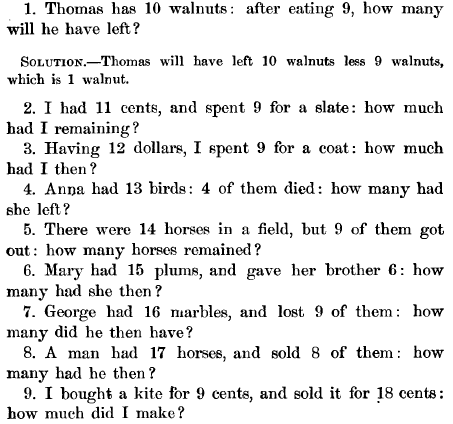
  • Assess mastery by reading aloud the word problems below and having the children mentally compute and recite the solutions. If children have difficulties, repeat the prior phases and then reassess.

Math:  Hands of a Clock

STEP 1

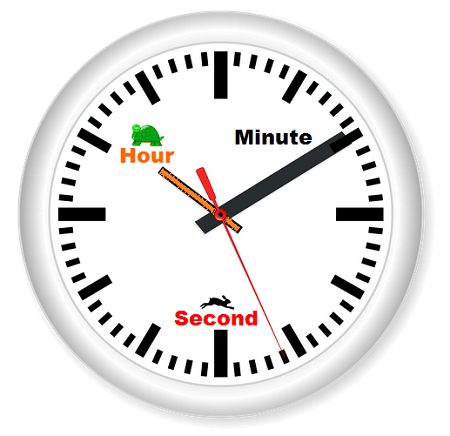
Tell children a clock has three moving rectangular shaped hands. Show children the image below and point out the three types of hands.

  • The second hand is the fastest and often the thinnest, like a fast, sleek rabbit.
  • The hour hand is the shortest and slowest, like a slow turtle.
  • The minute hand is faster than the hour hand, but slower than the second hand.

Step 2

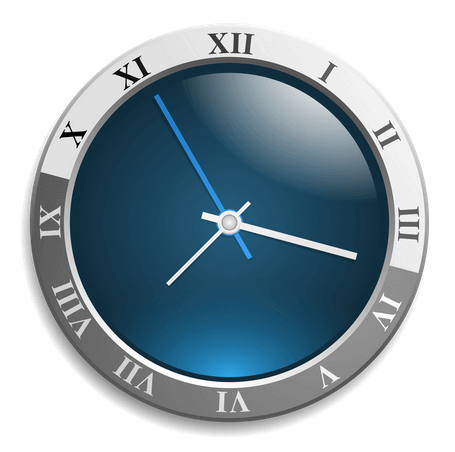
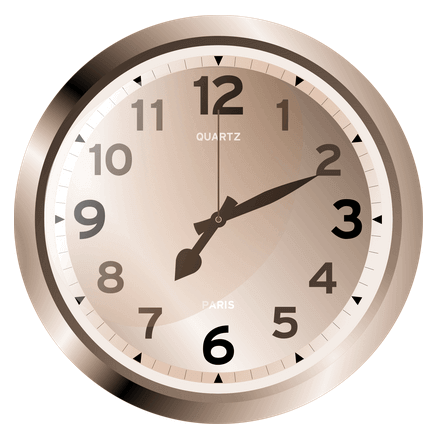
  • Have children identify the hour, minute, and second hands on the clocks below.

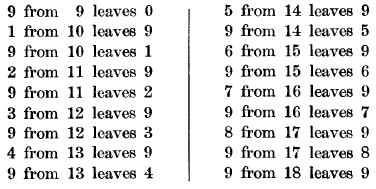
Math: Subtract Numbers from Up to 18

STEP 1

  • Children separate a larger group of up to 18 objects into two smaller groups.
  • Repeatedly separate a group of objects into smaller groups per the table below. For example, 9 pencils from 9 pencils leaves 0 pencils, 8 coins from 17 coins leaves 9 coins, and 9 cars from 17 cars leaves 8 cars, etc.
  • When children are ready, have them separate the object groups themselves.
  • Children must perfectly master the operations listed in the table before proceeding to the next phase of the lesson.

STEP 2

  • Children separate groups of objects they can’t see, but can imagine (bears, mountains, trees).
  • Using the table above as a guide, ask children to call out the answer to questions such as, ‘How many are one shoe from ten shoes?’ and ‘How many are nine frogs from eleven frogs?’
  • Give numerous exercises on each number, with constant reviews, until children can recite each operation in the table with great accuracy and rapidity.

STEP 3

  • In this phase, do not mention objects. Children subtract numbers directly.
  • Using the table above as a guide, ask children to call out the answer to questions such as, ‘How many are one from ten?’ and ‘How many are four from thirteen?’
  • Give numerous exercises on each number, with constant reviews, until children can perform each operation with great accuracy and rapidity.

STEP 4

  • Direct children to practice writing and reciting the subtraction problems listed in the table above. For example, they would write and then recite:
  • 9 from 18 leaves 9
  • 18 minus 9 is 9
  • 18 – 9 = 9
  • Repeat for each combination in the table until the children master the tasks.

STEP 5

Have children copy, solve, and recite the following table:

  • 17 + 1 or 1 + 17 = ; therefore 18 – 1 = ; 18 – 17 =
  • 16 + 2 or 2 + 16 = ; therefore 18 – 2 = ; 18 – 16 =
  • 15 + 3 or 3 + 15 = ; therefore 18 – 3 = ; 18 – 15 =
  • 14 + 4 or 4 + 14 = ; therefore 18 – 4 = ; 18 – 14 =
  • 13 + 5 or 5 + 13 = ; therefore 18 – 5 = ; 18 – 13 =
  • 12 + 6 or 6 + 12 = ; therefore 18 – 6 = ; 18 – 12 =
  • 11 + 7 or 7 + 11 = ; therefore 18 – 7 = ; 18 – 11 =
  • 10 + 8 or 8 + 10 = ; therefore 18 – 8 = ; 18 – 10 =
  • 9 + 9 = ; therefore 18 – 9 =

STEP 6

  • Assess mastery by reading aloud the word problems below and having the children mentally compute and recite the solutions. If children have difficulties, repeat the prior phases and then reassess.

Math: Draw a Clock Face

STEP 1

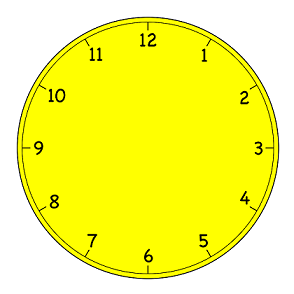
  • Teach children a clock face is a circle numbered with 1 to 12 in specific positions.
  • Show the clock below.’
  • Have children first copy and then draw their own clocks until they can draw a clock quickly and perfectly from memory, without errors.
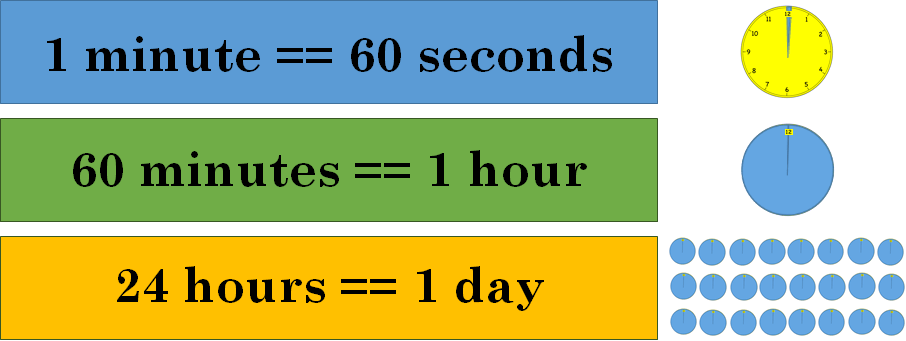
  • Review the definition of seconds, minutes, and hours. Show the children the magnitude of 1 second, 1 hour, and 1 day, in the context of a clock as shown below.

STEP 3

  • Review the definition of seconds, minutes, and hours. Show the children the magnitude of 1 second, 1 hour, and 1 day, in the context of a clock as shown below.

Math: Subtract Numbers from Up to 17

Step 1

  • Children separate a larger group of up to 17 objects into two smaller groups.
  • Repeatedly separate a group of objects into smaller groups per the table below. For example, 8 pencils from 8 pencils leaves 0 pencils, 8 coins from 12 coins leaves 4 coins, and 9 cars from 17 cars leaves 8 cars, etc.
  • When children are ready, have them separate the object groups themselves.
  • Children must perfectly master the operations listed in the table before proceeding to the next phase of the lesson.

Step 2

  • Children separate groups of objects they can’t see, but can imagine (bears, mountains, trees).
  • Using the table above as a guide, ask children to call out the answer to questions such as, ‘How many are one shoe from nine shoes?’ and ‘How many are nine frogs from seventeen frogs?’
  • Give numerous exercises on each number, with constant reviews, until children can recite each operation in the table with great accuracy and rapidity.

Step 3

  • In this phase, do not mention objects. Children subtract numbers directly.
  • Using the table above as a guide, ask children to call out the answer to questions such as, ‘How many are one from nine?’ and ‘How many are four from twelve?’
  • Give numerous exercises on each number, with constant reviews, until children can perform each operation with great accuracy and rapidity.

Step 4

  • Direct children to practice writing and reciting the subtraction problems listed in the table above. For example, they would write and then recite:
    • 8 from 17 leaves 9
    • 17 minus 8 is 9
    • 17 – 8 = 9
  • Repeat for each combination in the table until the children master the tasks.

Step 5

  • Have children copy, solve, and recite the following table:
    • 16 + 1 or 1 + 16 = ; therefore 17 – 1 = ; 17 – 16 =
    • 15 + 2 or 2 + 15 = ; therefore 17 – 2 = ; 17 – 15 =
    • 14 + 3 or 3 + 14 = ; therefore 17 – 3 = ; 17 – 14 =
    • 13 + 4 or 4 + 13 = ; therefore 17 – 4 = ; 17 – 13 =
    • 12 + 5 or 5 + 12 = ; therefore 17 – 5 = ; 17 – 12 =
    • 11 + 6 or 6 + 11 = ; therefore 17 – 6 = ; 17 – 11 =
    • 10 + 7 or 7 + 10 = ; therefore 17 – 7 = ; 17 – 10 =
    • 9 + 8 or 8 + 9 = ; therefore 17 – 8 = ; 17 – 9 =

Step 6

  • Assess mastery by reading aloud the word problems below and having the children mentally compute and recite the solutions. If children have difficulties, repeat the prior phases and then reassess.

Math: Hours, Minutes, and Seconds

Step 1

  • Tell children seconds are the shortest unit of the three. Count a few seconds off with the children – say ‘One thousand one, one thousand two, …, one thousand five.’
  • Tell children sixty seconds make up a minute. Count a whole minute off with the children – say ‘One thousand one, one thousand two, …, one thousand sixty’ etc.
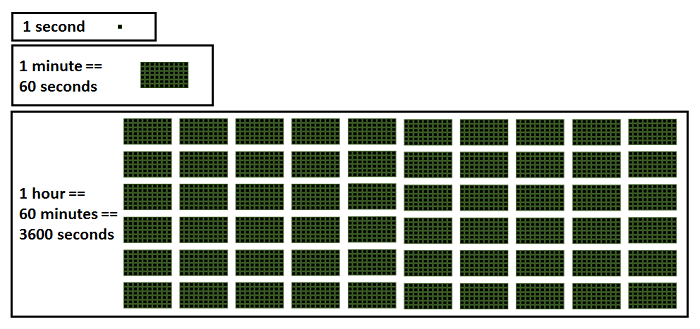
  • Tell children sixty minutes, or 3600 seconds make up an hour. Count a few seconds off with the children – say ‘One thousand one, one thousand two, …, one thousand five.’ Tell children you’d need to keep count to 100 36 times before an hour would pass.
  • Tell children 24 hours make up a day. Count a few seconds off with the children – say ‘One thousand one, one thousand two, …, one thousand five.’ Tell children you’d need to keep counting all day and all night before 24 hours would pass.

Step 2

  • Show children the image below to give them an idea of the relative magnitudes of seconds, minutes, and hours.

STEP 3

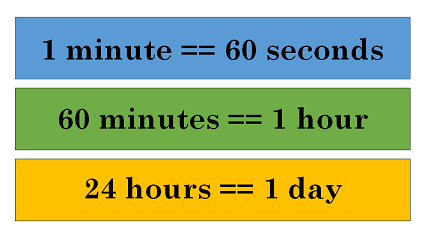
  • Have children recite and copy the table below until they memorize these facts and be able to recall them instantly.