A place to grow your relationship with God

Posts tagged ‘homeschooling’

Understanding Groundhog Day: History and Traditions

Groundhog Day comes from a tradition brought to America by people from Germany and Great Britain. They believed it was a time to predict the weather for the next six weeks. According to legend, the groundhog, or woodchuck, wakes from its long winter sleep on February 2 and pokes its head out of its burrow. If the sun is shining and it sees its shadow, it gets scared and retreats underground, meaning six more weeks of winter. But if it’s cloudy and there’s no shadow, it stays outside, signaling that spring is on its way. Science, however, hasn’t confirmed this belief.

In the United States as Ground-hog Day is more whimsical. On this day, everyone listens for reports of Punxsutawney Phil, the nation’s “official” groundhog.

Source: World Book Encyclopedia 1990

Weekly Recap of Articles for Christians Jan 25th to Jan 31st

Bible

Education

Cooking/ House Keeping

Estudio Bíblico en Español

Events in February: Fun Days and Historical Remembrances

This page gives a list of some Holidays and other events that occur in February. Some of the events are fun days. Others are for remembering only. Information is attached to many of the events. Have fun reading, learning, and/ or celebrating.

February is the second month of the year in the Gregorian calendar, which is used almost everywhere today, and it’s also the shortest. Legend says the first Roman calendar had only 10 months, until ruler Numa Pompilius added January and February around 700 B.C., making February the last month of their year. Its name comes from the Latin word *februare*, meaning “to purify,” as Romans would cleanse themselves in preparation for festivals marking the new year. Eventually, the start of the year was moved from March to January, placing February second.

In Numa’s calendar, a regular year had 355 days, with February lasting 28 days. Every other year, an extra month was inserted between February 23 and 24 to keep the months in sync with the solar year. Then, in 46 B.C., Rome switched to a 365-day calendar, giving February 28 days in normal years and 29 days every fourth year. Today, we call that longer year a leap year.

National Freedom Day: is an observance in the United States that honors the signing of a resolution that proposed the 13th amendment of the nation’s constitution on February 1, 1865.
Candlemas: is a Christian holiday celebrated annually on February 2. It celebrates three occasions according to Christian belief: the presentation of the child Jesus; Jesus’ first entry into the temple; and it celebrates the Virgin Mary’s purification (mainly in Catholic churches).
World Cancer Day: is a global observance that helps raise people’s awareness of cancer and how to prevent, detect, or treat it. This event is held on February 4 each year.
World Radio Day: February 13 is World Radio Day, which celebrates the radio as a way of educating people, providing information, and promoting freedom of expression across cultures.
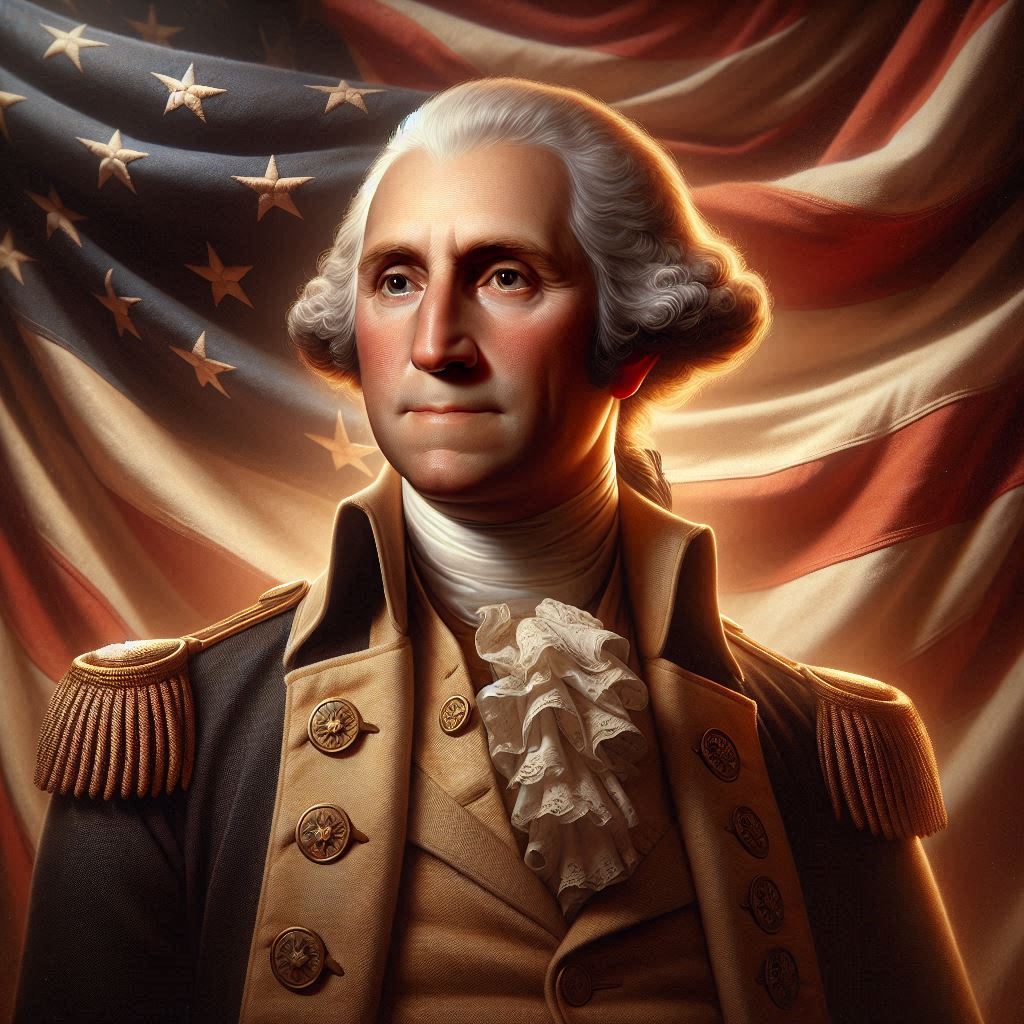
Presidents’ Day: The federal holiday on the third Monday of February is called Washington’s Birthday, while several US states celebrate it as “Presidents’ Day”. The holiday creates a long weekend.
Ash Wednesday: Many Christian Americans mark Ash Wednesday as the first day of Lent.
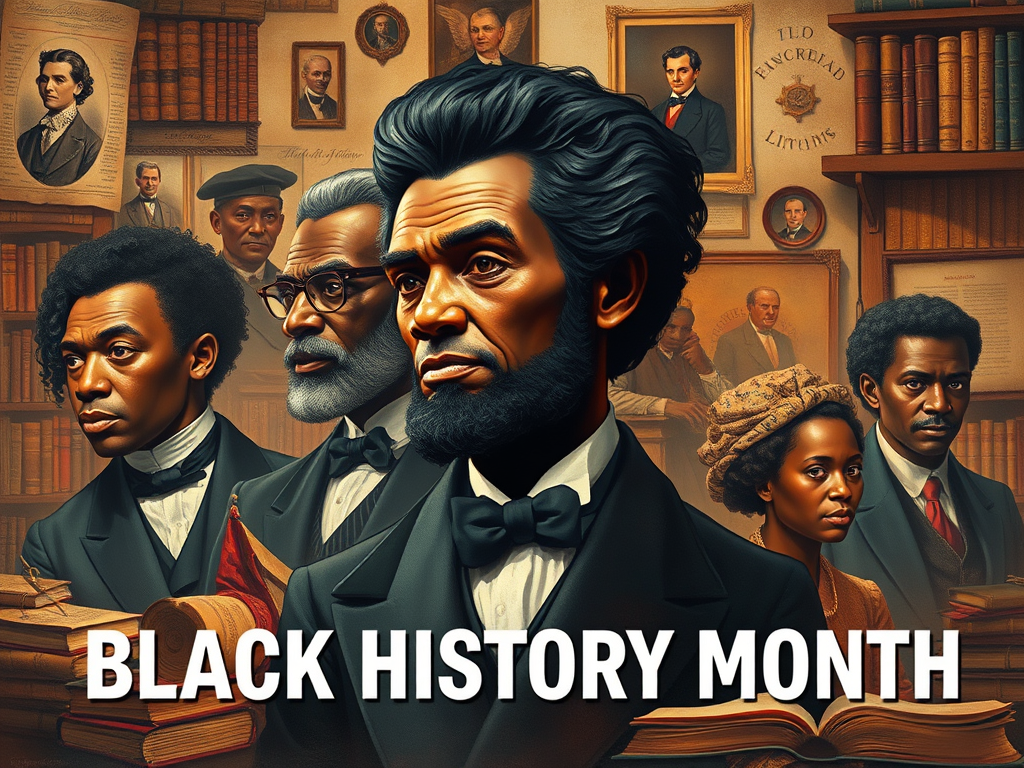
Feb. 1st is the First Day of Black History Month: Black History Month is an annual celebration in February that honors the achievements and contributions of African Americans throughout history.
World Wetlands Day: is annually held on February 2 to celebrate how wetlands, which are lands saturated by water, help maintain biodiversity on Earth.
Rosa Parks Day: Rosa Parks Day is an American observance to honor civil rights activist Rosa Parks, who was known for refusing to give up her seat on a bus. California, Missouri, and New York observance it on February 4th.
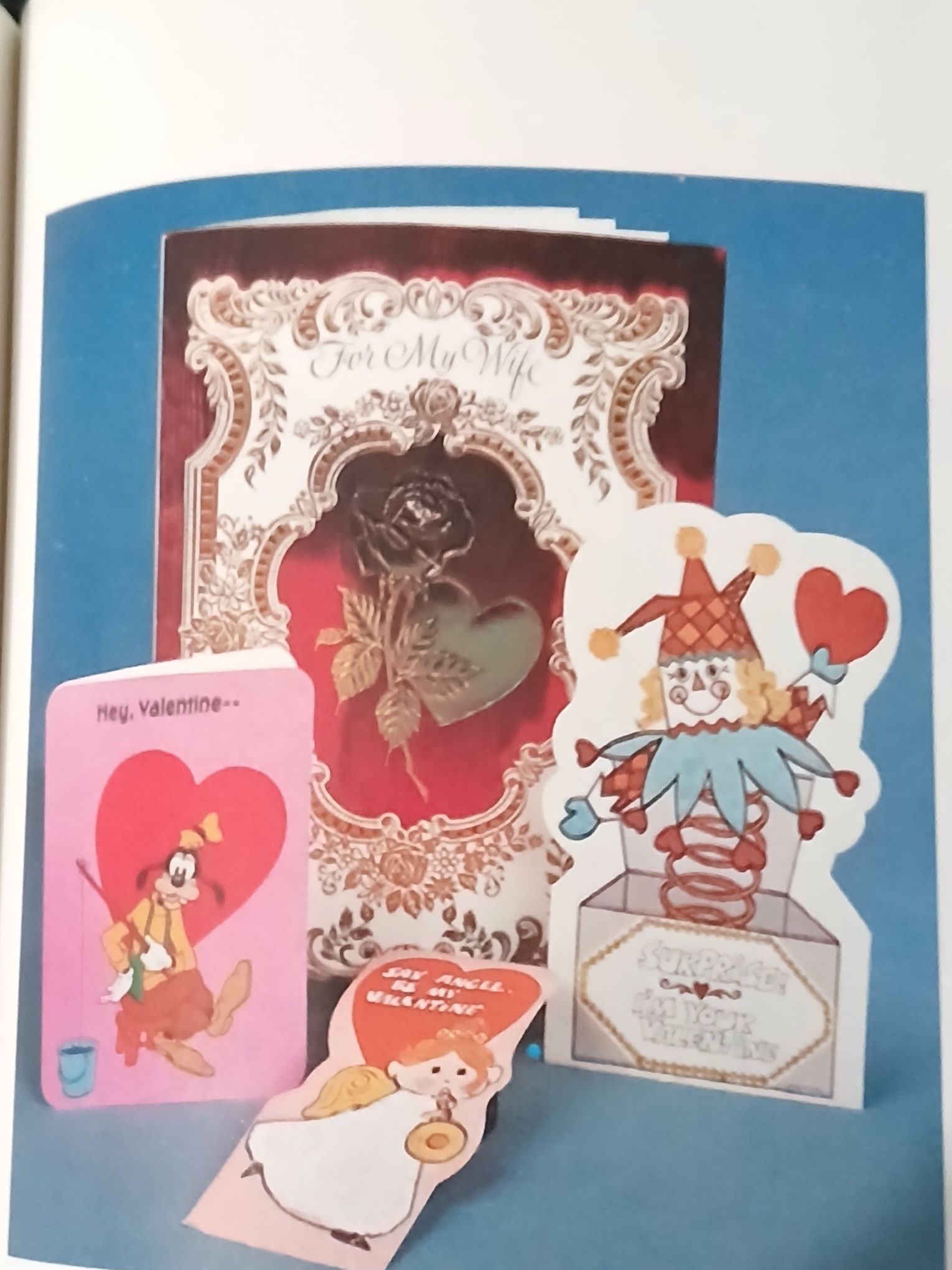
Valentine’s Day: is observed on February 14 as a time to acknowledge love and affection in many forms. The observance is widely celebrated with cards, gifts, and other thoughtful gestures.
Mardi Gras: Shrove Tuesday or Mardi Gras is the last day before the fasting period of Lent (for Western Christians), 47 days before Easter Sunday. Shrove Tuesday is also called Mardi Gras, Fat Tuesday, or Pancake Day.
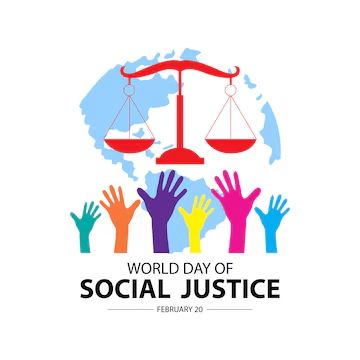
World Day of Social Justice: The United Nations’ (UN) World Day of Social Justice is annually observed on February 20 to encourage people to look at how social justice affects poverty eradication. It also focuses on the goal of achieving full employment and support for social integration.
Groundhog Day: falls on February 2 in the United States. It is a part of popular culture among many Americans, and it centers on the idea of the groundhog coming out of its home to “predict” the weather.
Tu Bishvat: marks the “birthday of the fruit trees” under Jewish law and is often celebrated by a symbolic meal and tree planting activities. This Jewish holiday occurs on the 15th day of the Hebrew month of Shevat.
International Day of Zero Tolerance for Female Genital Mutilation: The International Day of Zero Tolerance for Female Genital Mutilation is a United Nations (UN) campaign held on February 6 to stop genital mutilation to girls and women.
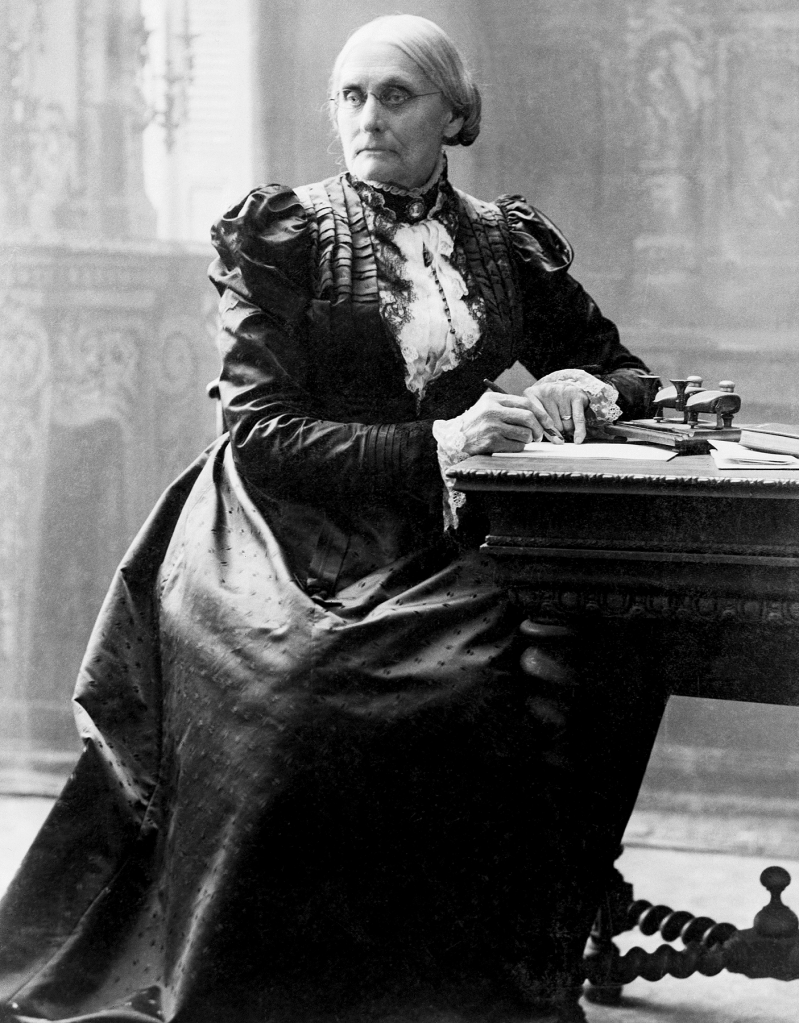
Susan B. Anthony’s Birthday: Celebrated on February 15, Susan B Anthony Day marks the birthday of one of the United States’ most prominent female civil rights leaders.
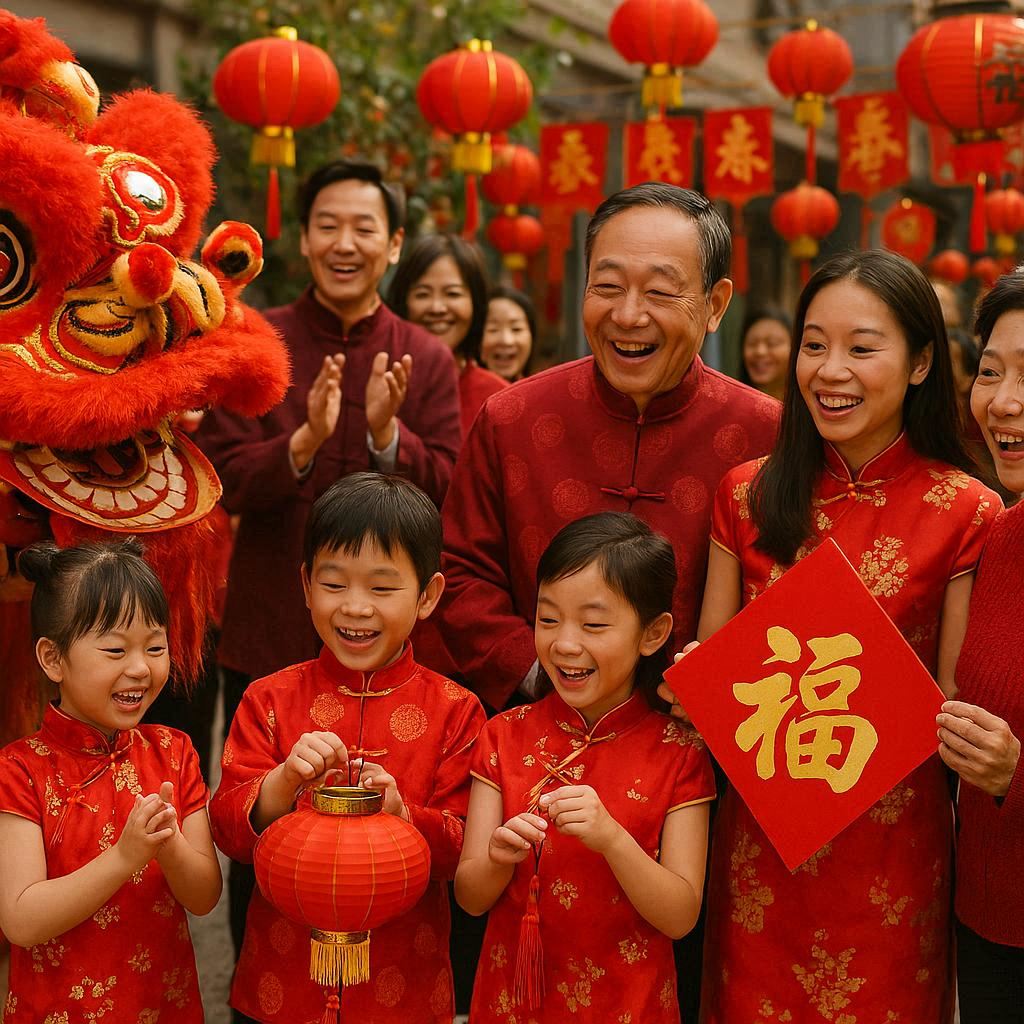
Lunar New Year: Many people in countries such as the United States celebrate Lunar New Year. It marks the first day of the New Year in the Chinese calendar. Why Is the Date Always Changing?  Read a news article on this very topic.
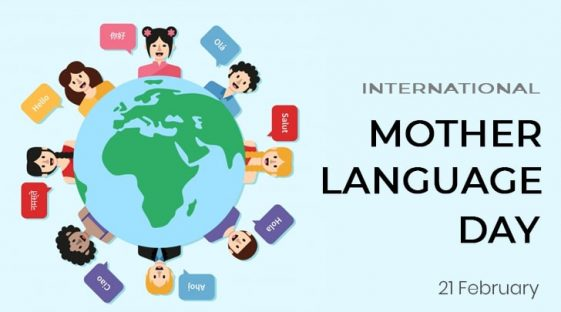
International Mother Language Day: The United Nations’ (UN) International Mother Language Day annually celebrates language diversity and variety worldwide on February 21. It also remembers events such as the killing of four students on February 21, 1952, because they campaigned to officially use their mother language, Bengali, in Bangladesh.

Chapter 6: Polynesia and the King Vocabulary words

Vocabulary

Dungeon: A strong underground prison cell, especially in a castle.
Invisible: Unable to be seen.
Latch-key: A key of an outer door of a house.
Ruse: A trick.
Mimic: To imitate the appearance, words, or actions of something or someone else.

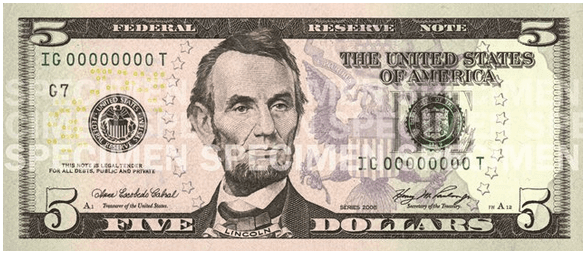
Math: US Money – The Five-Dollar Bill

Directions

Gather one five-dollar bill and five one-dollar bills per child. Children might create their own pretend paper money with paper, pens, and crayons or markers.

Have children complete the steps below.

Have children practice until they perfectly master each task.

STEP 1 – WHAT IS A FIVE-DOLLAR BILL?

Children identify the five-dollar bill.

  • Direct the children to examine the front and back of the five-dollar bill. Ask the children to verbally describe what they see.
  • Have children hold up the five-dollar bill and recite, ‘1 five-dollar bill is worth 5 one-dollar bills.’

STEP 2 – COMBINE AND SEPARATE

Children combine and separate groups of one-dollar bills and a five-dollar bill.

  • Ask children to group five one-dollar bills together.
  • Tell children to move 1 five-dollar bill next to the 5 one-dollar bills. Have them recite, ‘1 five-dollar bill is worth 5 one-dollar bills.’

STEP 3 – PLAY STORE

  • Give each child 5 one-dollar bills and 1 five-dollar bill. Say to children, ‘A game costs 8 dollars. Show me which bills you must give to the cashier to purchase the game.’
  • Give each child 5 one-dollar bills and 1 five-dollar bill. Say to children, ‘A vase costs 6 dollars. Show me which bills you must give to the cashier to purchase the vase.’
  • Give each child 5 one-dollar bills and 1 five-dollar bill. Say to children, ‘A statue costs 9 dollars. Show me which bills you must give to the cashier to purchase the statue.’

A Song from the Suds by Louisa May Alcott

A Song from the Suds
by: Louisa May Alcott

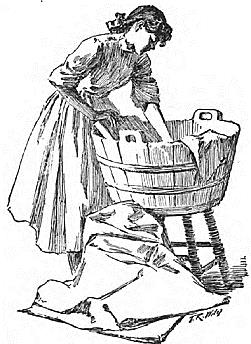
Queen of my tub, I merrily sing,
While the white foam rises high,
And sturdily wash and rinse and wring,
And fasten the clothes to dry.
Then out in the free fresh air they swing,
Under the sunny sky.

I wish we could wash from our hearts and souls
The stains of the week away,
And let water and air by their magic make
Ourselves as pure as they.
Then on the earth there would be indeed,
A glorious washing day!

Along the path of a useful life,
Will heartsease ever bloom.
The busy mind has no time to think
Of sorrow or care or gloom.
And anxious thoughts may be swept away,
As we bravely wield a broom.

I am glad a task to me is given,
To labor at day by day,
For it brings me health and strength and hope,
And I cheerfully learn to say,
“Head, you may think, Heart, you may feel,
But, Hand, you shall work alway!”

The Story of Doctor Dolittle Chapter 6: Polynesia and the King

Chapter 6: Polynesia and the King

When they had gone a little way through the thick forest, they came to a wide, clear space; and they saw the King’s palace which was made of mud.

This was where the King lived with his Queen, Ermintrude, and their son, Prince Bumpo. The Prince was away fishing for salmon in the river. But the King and Queen were sitting under an umbrella before the palace door. And Queen Ermintrude was asleep.

When the Doctor had come up to the palace the King asked him his business; and the Doctor told him why he had come to Africa.

“You may not travel through my lands,” said the King. “Many years ago a white man came to these shores; and I was very kind to him. But after he had dug holes in the ground to get the gold, and killed all the elephants to get their ivory tusks, he went away secretly in his ship- without so much as saying ‘Thank you.’ Never again shall a white man travel through the lands of Jolliginki.”

Then the King turned to some of the black men who were standing near and said, “Take away this medicine-man-with all his animals, and lock them up in my strongest prison.”

So six of the black men led the Doctor and all his pets away and shut them up in a stone dungeon. The dungeon had only one little window, high up in the wall, with bars in it; and the door was strong and thick.

Then they all grew very sad; and Gub-Gub, the pig, began to cry. But Chee-Chee said he would spank him if he didn’t stop that horrible noise; and he kept quiet.

“Are we all here?” asked the Doctor, after he had got used to the dim light.

“Yes, I think so,” said the duck and started to count them.

“Where’s Polynesia?” asked the crocodile. “She isn’t here.”

“Are you sure?” said the Doctor. “Look again. Polynesia! Polynesia! Where are you?”

“I suppose she escaped,” grumbled the crocodile. “Well, that’s just like her! -Sneaked off into the jungle as soon as her friends got into trouble.”

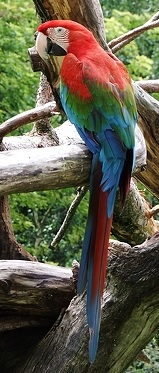
“I’m not that kind of a bird,” said the parrot, climbing out of the pocket in the tail of the Doctor’s coat. “You see, I’m small enough to get through the bars of that window; and I was afraid they would put me in a cage instead. So while the King was busy talking, I hid in the Doctor’s pocket-and here I am! That’s what you call a ‘ruse,'” she said, smoothing down her feathers with her beak.

“Good Gracious!” cried the Doctor. “You’re lucky I didn’t sit on you.”

“Now listen,” said Polynesia, “tonight, as soon as it gets dark, I am going to creep through the bars of that window and fly over to the palace. And then-you’ll see-I’ll soon find a way to make the King let us all out of prison.”

“Oh, what can you do?” said Gub-Gub, turning up his nose and beginning to cry again. “You’re only a bird!”

“Quite true,” said the parrot. “But do not forget that although I am only a bird, I can talk like a man-and I know these people.”

So that night, when the moon was shining through the palm-trees and all the King’s men were asleep, the parrot slipped out through the bars of the prison and flew across to the palace. The pantry window had been broken by a tennis ball the week before; and Polynesia popped in through the hole in the glass.

She heard Prince Bumpo snoring in his bedroom at the back of the palace. Then she tip-toed up the stairs till she came to the King’s bedroom. She opened the door gently and peeped in.

The Queen was away at a dance that night at her cousin’s; but the King was in bed fast asleep.

Polynesia crept in, very softly, and got under the bed.

Then she coughed-just the way Doctor Dolittle used to cough. Polynesia could mimic any one.

The King opened his eyes and said sleepily: “Is that you, Ermintrude?” (He thought it was the Queen come back from the dance.)

Then the parrot coughed again-loud, like a man. And the King sat up, wide awake, and said, “Who’s that?”

“I am Doctor Dolittle,” said the parrot-just the way the Doctor would have said it.

“What are you doing in my bedroom?” cried the King. “How dare you get out of prison! Where are you?-I don’t see you.”

But the parrot just laughed-a long, deep jolly laugh, like the Doctor’s.

“Stop laughing and come here at once, so I can see you,” said the King.

“Foolish King!” answered Polynesia. “Have you forgotten that you are talking to John Dolittle, M.D.-the most wonderful man on earth? Of course you cannot see me. I have made myself invisible. There is nothing I cannot do. Now listen: I have come here tonight to warn you. If you don’t let me and my animals travel through your kingdom, I will make you and all your people sick like the monkeys. For I can make people well, and I can make people ill-just by raising my little finger. Send your soldiers at once to open the dungeon door, or you shall have mumps before the morning sun has risen on the hills of Jolliginki.”

Then the King began to tremble and was very much afraid.

“Doctor,” he cried, “it shall be as you say. Do not raise your little finger, please!” And he jumped out of bed and ran to tell the soldiers to open the prison door.

As soon as he was gone, Polynesia crept downstairs and left the palace by the pantry window.

But the Queen, who was just letting herself in at the backdoor with a latch-key, saw the parrot getting out through the broken glass. And when the King came back to bed she told him what she had seen.

Then the King understood that he had been tricked, and he was dreadfully angry. He hurried back to the prison at once.

But he was too late. The door stood open. The dungeon was empty. The Doctor and all his animals were gone.


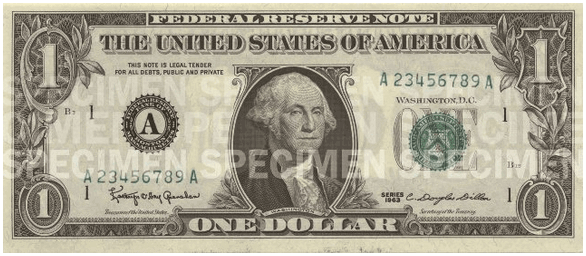
Math: US Money – The One-Dollar Bill

Directions
Gather 100 pennies, 20 nickels, 10 dimes, 4 quarters, and 1 one-dollar bill per child. Children might create their own pretend paper money with paper, pens, and crayons or markers.

Have children complete the steps below.

Have children practice until they perfectly master each task.

STEP 1 – WHAT IS A ONE-DOLLAR BILL?

Children identify the one-dollar bill.

  • Direct the children to examine the front and back of the dollar bill. Ask the children to verbally describe what they see.
  • Have children hold up a penny and recite, ‘1 penny is worth 1 cent.’
  • Have children hold up a nickel and recite, ‘1 nickel is worth 5 cents.’
  • Have children hold up a dime and recite, ‘1 dime is worth 10 cents.’
  • Have children hold up a quarter and recite, ‘1 quarter is worth 25 cents.’
  • Have children hold up the 1 dollar bill and recite, ‘1 one-dollar bill is worth 100 cents.’

STEP 2 – COMBINE AND SEPARATE

Children combine and separate groups of pennies, nickels, dimes, quarters, and one-dollar bills.

  • Ask children to group 100 pennies together.
  • Tell children to move 1 one-dollar bill next to the 100 pennies. Have them recite, ‘1 one-dollar bill is worth 100 pennies.’
  • Tell children to remove the pennies and to move 4 quarters next to the dollar. Have them recite, ‘4 quarters are worth 1 dollar.’
  • Tell children to remove the quarters and to move 10 dimes next to the dollar. Have them recite, ’10 dimes are worth 1 dollar.’
  • Tell children to remove the dimes and to move 20 nickels next to the dollar. Have them recite, ’20 nickels are worth 1 dollar.’

STEP 3 – PLAY STORE

Play store with children, where children show the amount of money required to buy pretend items.

  • Give each child 1 dollar, 1 quarter, 1 dime, 1 nickel, and 5 pennies. Say to children, ‘A scissors costs 1 dollar and 42 cents. Show me which bills and coins you must give to the cashier to purchase the scissors.’
  • Give each child 1 dollar, 2 quarters, 1 dime, 1 nickel, and 5 pennies. Say to children, ‘A toy dump truck costs 1 dollar and 63 cents. Show me which bills and coins you must give to the cashier to purchase the truck.’
  • Give each child 1 dollar, 3 quarters, 1 dime, 1 nickel, and 5 pennies. Say to children, ‘A fairy wand costs 1 dollar and 84 cents. Show me which bills and coins you must give to the cashier to purchase the wand.’

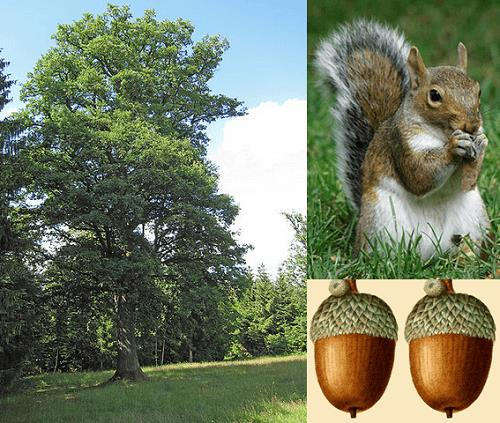
Sketch an Oak Tree

Sketch an Oak Tree

Objective:

Reinforce that oak trees grow acorns which are eaten by squirrels.

Materials:

Pencil, crayons or markers, and paper.

Procedure:

  • Examine the pictures of the oak tree, squirrel, and acorns below.
    • There is a video that may help.
  • Sketch an oak tree in the fall.
  • Unlike the green leaves in the picture, color your trees leaves yellow, orange, and red.
  • Draw nuts hanging from the tree branches and nuts on the ground around the tree.
  • Draw some squirrels eating the nuts.

The Story of Mankind: The Crusades

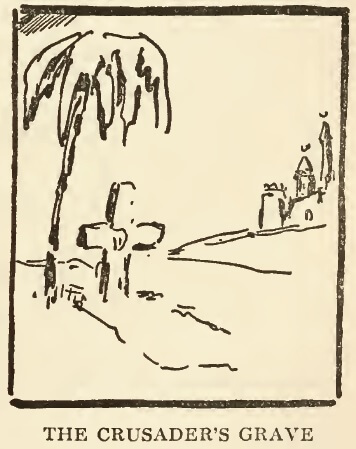
During three centuries there had been peace between Christians and Muslims except in Spain and in the eastern Roman Empire, the two states defending the gateways of Europe. The Muslims having conquered Syria in the seventh century were in possession of the Holy Land. But they regarded Jesus as a great prophet (though not quite as great as Mohammed), and they did not interfere with the pilgrims who wished to pray in the church which Saint Helena, the mother of the Emperor Constantine, had built on the spot of the Holy Grave. But early in the eleventh century, a Tartar tribe from the wilds of Asia, called the Seljuks or Turks, became masters of the Muslim state in western Asia and then the period of tolerance came to an end. The Turks took all of Asia Minor away from the eastern Roman Emperors and they made an end to the trade between east and west.

Alexis, the Emperor, who rarely saw anything of his Christian neighbors of the west, appealed for help and pointed to the danger which threatened Europe should the Turks take Constantinople.

The Italian cities which had established colonies along the coast of Asia Minor and Palestine, in fear for their possessions, reported terrible stories of Turkish atrocities and Christian suffering. All Europe got excited.

Pope Urban II, a Frenchman from Reims, who had been educated at the same famous cloister of Cluny which had trained Gregory VII, thought that the time had come for action. The general state of Europe was far from satisfactory. The primitive agricultural methods of that day (unchanged since Roman times) caused a constant scarcity of food. There was unemployment and hunger and these are apt to lead to discontent and riots. Western Asia in older days had fed millions. It was an excellent field for the purpose of immigration.

Therefore at the council of Clermont in France in the year 1095 the Pope arose, described the terrible horrors which the infidels had inflicted upon the Holy Land, gave a glowing description of this country which ever since the days of Moses had been overflowing with milk and honey, and exhorted the knights of France and the people of Europe in general to leave wife and child and deliver Palestine from the Turks.

A wave of religious hysteria swept across the continent. All reason stopped. Men would drop their hammer and saw, walk out of their shop and take the nearest road to the east to go and kill Turks. Children would leave their homes to “go to Palestine” and bring the terrible Turks to their knees by the mere appeal of their youthful zeal and Christian piety. Fully ninety percent of those enthusiasts never got within sight of the Holy Land. They had no money. They were forced to beg or steal to keep alive. They became a danger to the safety of the highroads and they were killed by the angry country people.

An unofficial crusade, a wild mob of honest Christians, defaulting bankrupts, penniless noblemen and fugitives from justice, following the lead of half-crazy Peter the Hermit and Walter-without-a-Cent, began their campaign against the Infidels by murdering all the Jews whom they met by the way. They got as far as Hungary and then they were all killed.

This experience taught the Church a lesson. Enthusiasm alone would not set the Holy Land free. Organization was as necessary as good-will and courage. A year was spent in training and equipping an army of 200,000 men. They were placed under command of Godfrey of Bouillon, Robert, duke of Normandy, Robert, count of Flanders, and a number of other noblemen, all experienced in the art of war.

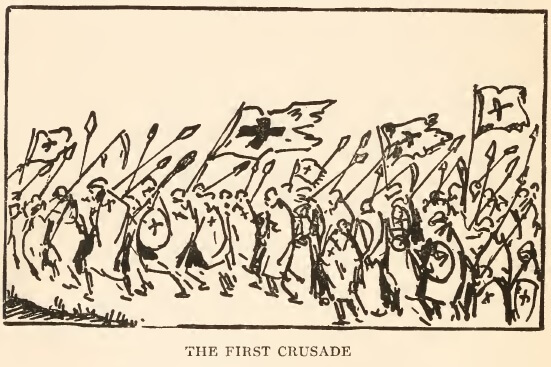
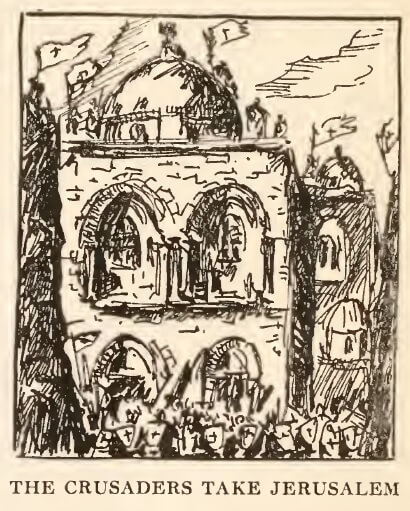
In the year 1096 this official First Crusade started upon its long voyage. At Constantinople the knights did homage to the Emperor. (For as I have told you, traditions die hard, and a Roman Emperor, however poor and powerless, was still held in great respect). Then they crossed into Asia, killed all the Muslims who fell into their hands, stormed Jerusalem, massacred the Muslim population, and marched to the Holy Sepulcher to give praise and thanks amidst tears of piety and gratitude. But soon the Turks were strengthened by the arrival of fresh troops. Then they retook Jerusalem and in turn killed the faithful followers of the Cross.

During the next two centuries, seven other crusades took place. Gradually the Crusaders learned the technique of the trip. The land voyage was too tedious and too dangerous. They preferred to cross the Alps and go to Genoa or Venice where they took ship for the east. The Genoese and the Venetians made this trans-Mediterranean passenger service a very profitable business. They charged exorbitant rates, and when the Crusaders (most of whom had very little money) could not pay the price, these Italian “profiteers” kindly allowed them to “work their way across.” In return for a fare from Venice to Acre, the Crusader undertook to do a stated amount of fighting for the owners of their vessel. In this way Venice greatly increased her territory along the coast of the Adriatic and in Greece, where Athens became a Venetian colony, and in the islands of Cyprus and Crete and Rhodes.

All this, however, helped little in settling the question of the Holy Land. After the first enthusiasm had worn off, a short crusading trip became part of the liberal education of every well-bred young man, and there never was any lack of candidates for service in Palestine. But the old zeal was gone. The Crusaders, who had begun their warfare with deep hatred for the Muslims and great love for the Christian people of the eastern Roman Empire and Armenia, suffered a complete change of heart. They came to despise the Greeks of Byzantium, who cheated them and frequently betrayed the cause of the Cross, and the Armenians and all the other Levantine races, and they began to appreciate the virtues of their enemies who proved to be generous and fair opponents.

Of course, it would never do to say this openly. But when the Crusader returned home, they were likely to imitate the manners which he had learned from their foe, compared to whom the average western knight was still a good deal of a country bumpkin. They also brought with them several new food-stuffs, such as peaches and spinach which he planted in their garden and grew for their own benefit. They gave up the barbarous custom of wearing a load of heavy armor and appeared in the flowing robes of silk or cotton which were the traditional habit of the followers of the Prophet and were originally worn by the Turks. Indeed the Crusades, which had begun as a punitive expedition against their religious adversaries, became a course of general instruction in civilization for millions of young Europeans.

From a military and political point of view the Crusades were a failure. Jerusalem and a number of cities were taken and lost. A dozen little kingdoms were established in Syria and Palestine and Asia Minor, but they were re-conquered by the Turks and after the year 1244 (when Jerusalem became definitely Turkish) the status of the Holy Land was the same as it had been before 1095.

But Europe had undergone a great change. The people of the west had been allowed a glimpse of the light and the sunshine and the beauty of the east. Their dreary castles no longer satisfied them. They wanted a broader life. Neither Church nor State could give this to them.

They found it in the cities.