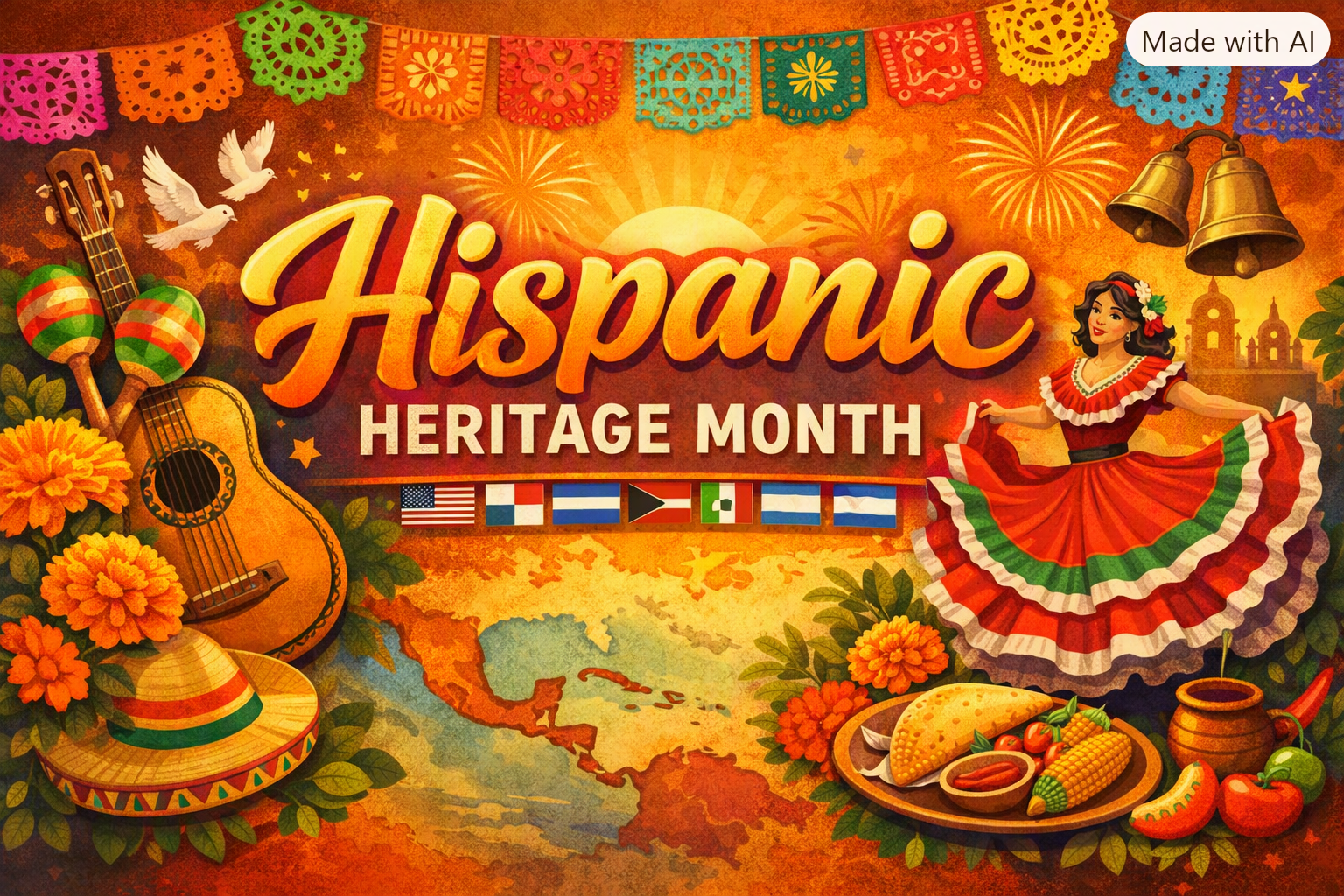
The term Hispanic refers to people who have cultural ties to Spain or Spanish‑speaking countries, especially those from Latin America. It emphasizes a shared language and heritage rooted in the Spanish influence that spread through exploration and colonization.
🌍 Key Points
- Language connection: “Hispanic” centers on the Spanish language, not geography or race.
- Origin: The word comes from Hispania, the ancient Roman name for the Iberian Peninsula (modern‑day Spain and Portugal).
- Usage in the U.S.: It’s often used in government and census contexts to describe Americans with ancestry from Spanish‑speaking nations.
- Difference from Latino: “Latino” focuses on geography — people from Latin America — while “Hispanic” focuses on language. For example, Brazilians are Latino but not Hispanic because Portuguese is Brazil’s official language.
🕊 Cultural Meaning
Being Hispanic can encompass a wide range of identities — Mexican, Puerto Rican, Cuban, Dominican, Salvadoran, Colombian, and many others — united by linguistic and cultural threads that celebrate family, faith, and tradition.
