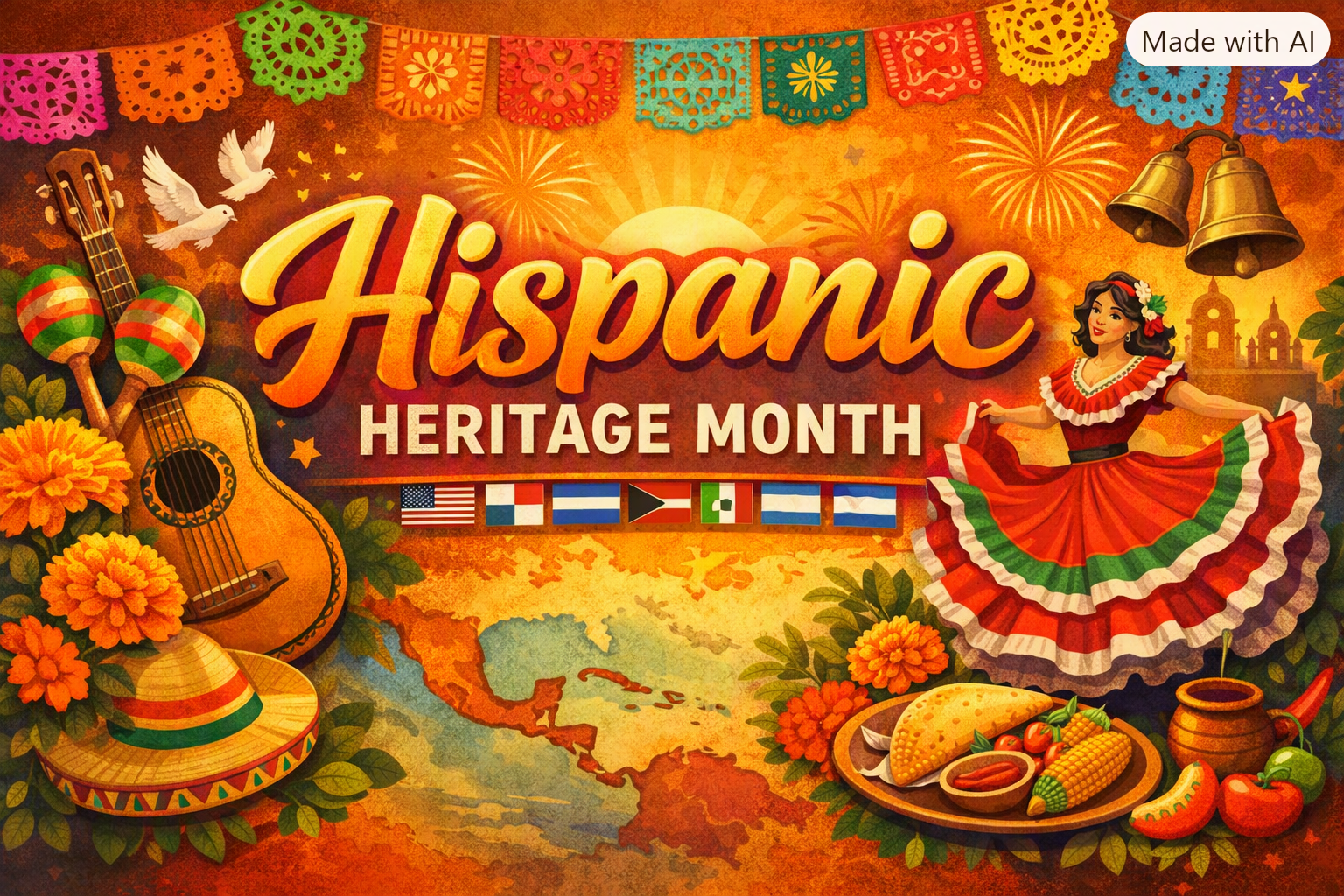
The term Latino refers to people whose heritage comes from Latin America — that is, countries in the Americas where Romance languages (derived from Latin, such as Spanish, Portuguese, or French) are spoken. It emphasizes geographic and cultural roots, rather than language alone.
🌎 Key Points
- Geographic focus: “Latino” includes people from Mexico, Central America, South America, and the Caribbean.
- Language diversity: While most Latino countries speak Spanish, Brazil (Portuguese) and Haiti (French) are also part of Latin America.
- Gender forms: In Spanish, Latino (masculine) and Latina (feminine) are used; Latinx and Latine are newer gender‑neutral forms.
- Difference from Hispanic: “Hispanic” highlights the Spanish language, while “Latino” highlights Latin American origin.
🕊 Cultural Meaning
Being Latino connects people through shared history, traditions, and values that blend Indigenous, African, and European influences. It celebrates diversity within unity — from Andean music to Caribbean rhythms, from Mexican cuisine to Brazilian festivals.
