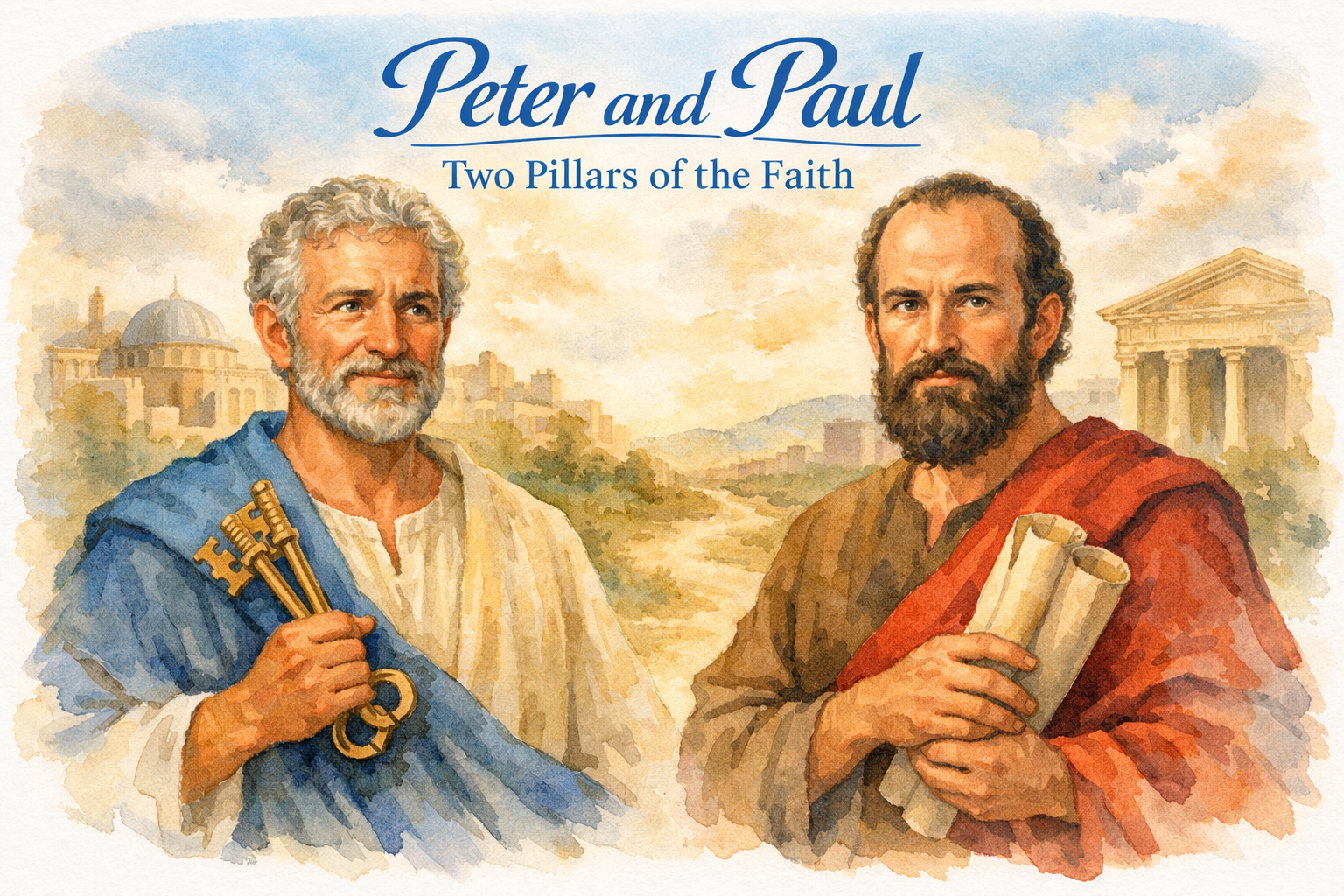
🕊️ Peter the Apostle
Biblical Facts:
- A fisherman from Galilee, originally named Simon.
- Called by Jesus to follow Him (Matthew 4).
- Renamed Peter (“rock”).
- One of the Twelve Apostles.
- Preached at Pentecost (Acts 2).
- First to bring the gospel to Gentiles (Acts 10).
Historical Facts:
- Early Christian writers (late 1st–2nd century) agree Peter was martyred in Rome.
- The Bible does not record his death.
- The method of his death is unknown.
- The upside‑down crucifixion story appears much later and is not historically verifiable.
🌍 Paul the Apostle
Biblical Facts:
- Born Saul of Tarsus, a Pharisee trained under Gamaliel.
- Encountered Jesus on the road to Damascus (Acts 9).
- Became the apostle to the Gentiles.
- Completed multiple missionary journeys (Acts 13–21).
- Wrote many New Testament letters.
Historical Facts:
- Early Christian writers agree Paul was martyred in Rome.
- The Bible does not record his death.
- Tradition says he was beheaded, but the earliest sources do not confirm the method.
📅 The Day Honoring Peter and Paul
What is historically certain:
- A day commemorating Peter and Paul together has been observed in Rome since very early Christian history.
- By the 4th century, June 29 was recognized as the day remembering their martyrdoms in Rome.
- This observance is a church tradition, not a biblical command.
- It developed as a way to honor their shared witness, not as a doctrine.
What is not biblical:
- The Bible does not assign a feast day to Peter or Paul.
- The Bible does not describe their deaths.
- The June 29 observance is historical, not scriptural.
🔗 Summary
- Peter and Paul are major New Testament figures with well‑documented ministries.
- Both were martyred in Rome according to early Christian testimony.
- The details of their deaths are not recorded in Scripture and not verifiable from earliest sources.
- The day honoring them (June 29) is an early church tradition, not a biblical feast.
