Category: Feasts of God
-

Leviticus 23:40 connects the Feast of Tabernacles (Sukkot) with four symbolic trees—each revealing a facet of worship, joy, and covenant life. The palm, myrtle, willow, and “goodly tree” (citron or etrog) together form the Four Species used in rejoicing before the Lord, representing the unity of God’s people and the fullness of spiritual life. 🌿 Overview:…
-

The Bible outlines a prophetic timeline detailing kingdoms, the rise of the Antichrist, the Great Tribulation, and ultimate resurrection events.
-

The King, the Son, and the Wedding: God’s Eternal Plan
-

The Counting of the Omer connects Jesus’ resurrection to Pentecost, illustrating the transition from redemption to empowerment in the New Testament.
-

The Seder plate elements symbolize Israel’s redemption, paralleling Jesus as the fulfillment of these biblical truths and themes.
-
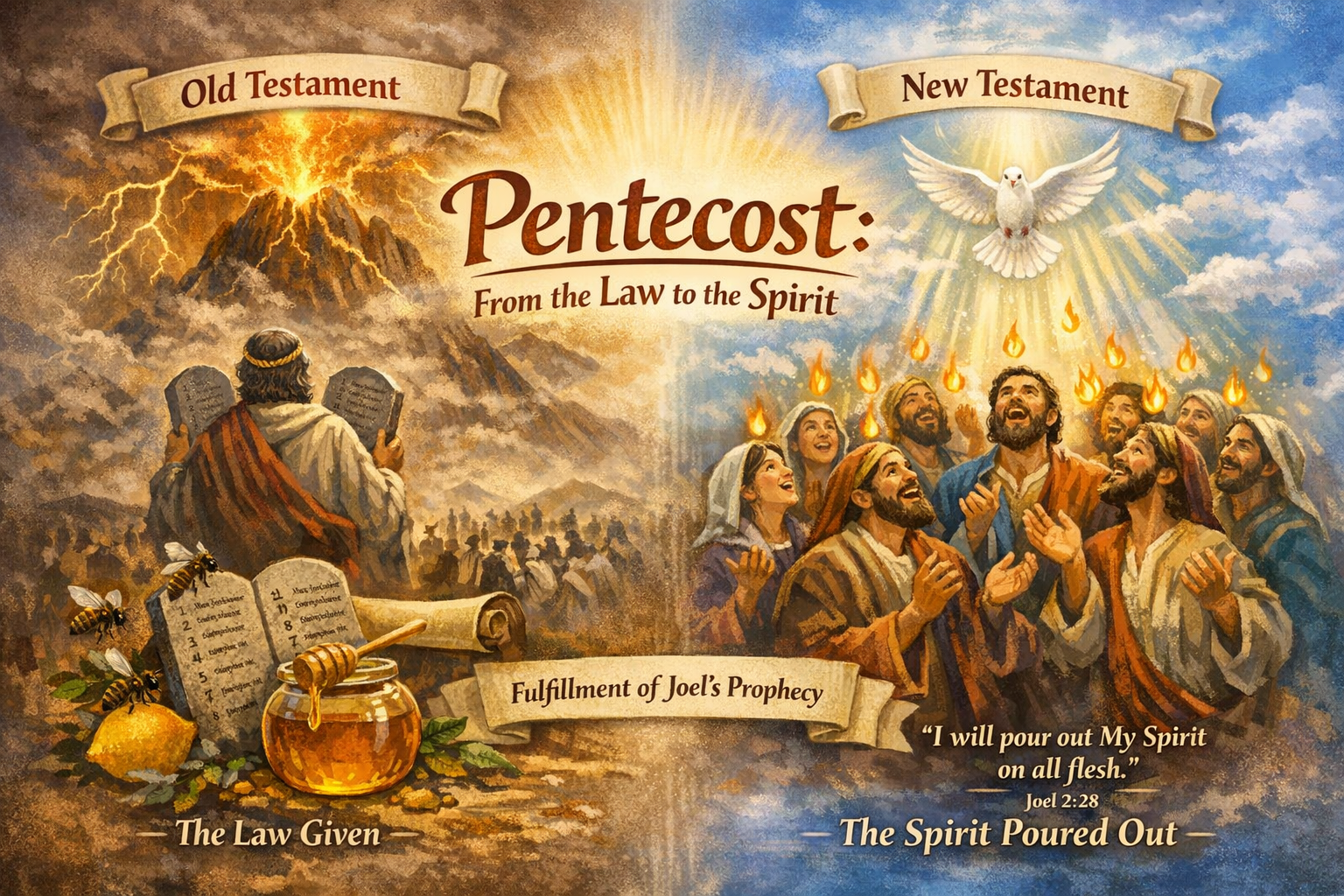
Old Testament Pentecost signifies God’s Word, while New Testament Pentecost represents God’s Spirit, fulfilling prophecy and transforming hearts.
-

The Feast of Firstfruits symbolizes Christ’s resurrection, acceptance as our High Priest, and the promise of believers’ future resurrection.
-
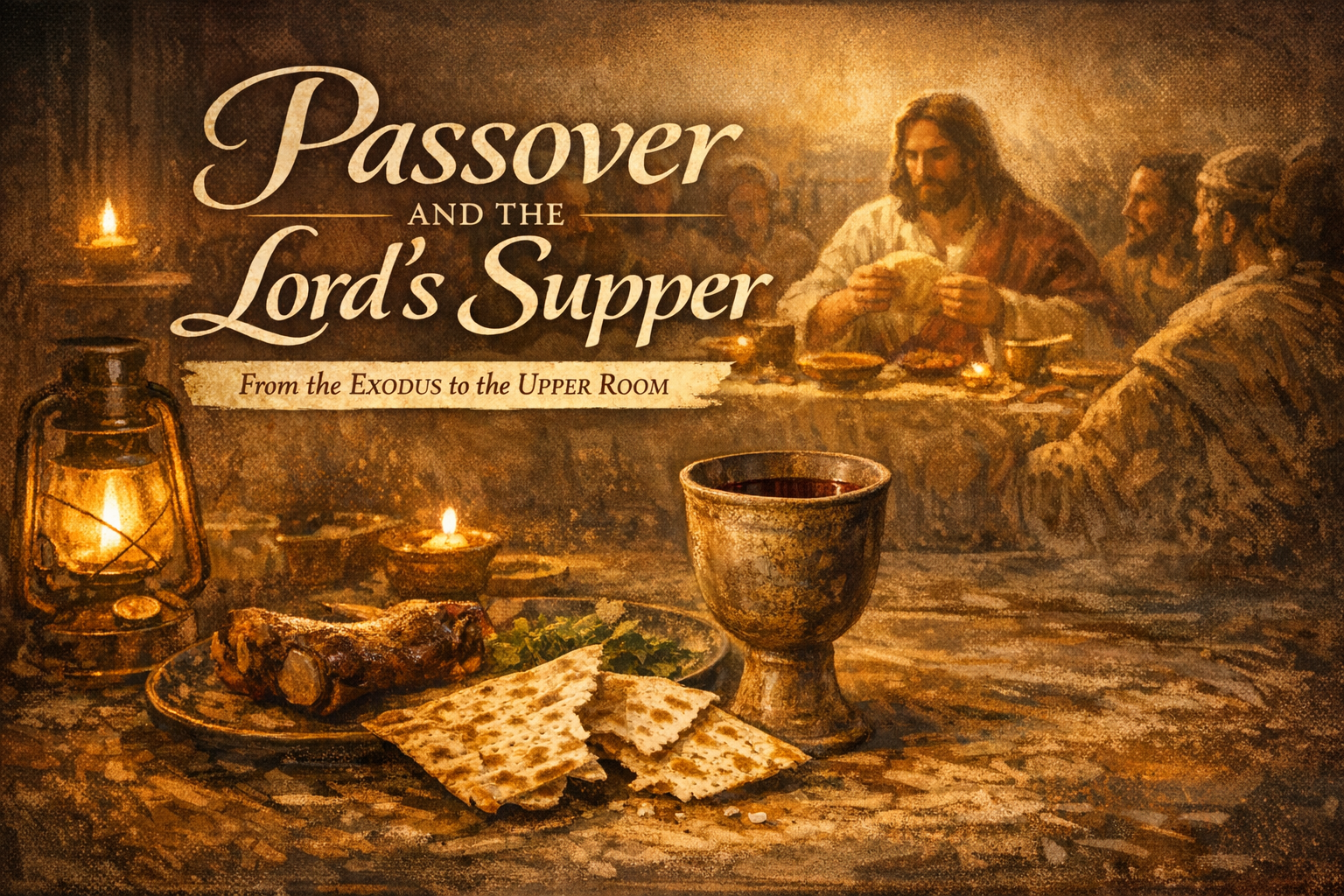
The content emphasizes the importance of slowing down to fully appreciate the significance of Passover and Communion in God’s redemption story.
-

The 7th trumpet signifies the resurrection, marking the arrival of the kingdom, judgment of the dead, and fulfillment of God’s mystery.
-

The Christian Passover Seder highlights redemption through Christ, intertwining traditions and scriptural reflections from Exodus and the Gospels.