Category: Numbers in the Bible
-

The number ten symbolizes completeness, divine order, and responsibility in Scripture, represented by the Ten Commandments, Plagues, and generations.
-
The number twelve symbolizes completeness, order, and divine governance throughout Scripture, representing community, covenant, and restoration in creation.
-

Leviticus 23:40 connects the Feast of Tabernacles (Sukkot) with four symbolic trees—each revealing a facet of worship, joy, and covenant life. The palm, myrtle, willow, and “goodly tree” (citron or etrog) together form the Four Species used in rejoicing before the Lord, representing the unity of God’s people and the fullness of spiritual life. 🌿 Overview:…
-

From the very first breath of creation to the final trumpet in Revelation, the number seven echoes through Scripture. It resounds like a divine heartbeat. It marks rest after labor, fullness after waiting, and holiness after preparation. In the fall of Jericho, seven priests, seven trumpets, seven days, and seven circuits weren’t just symbolic. They…
-
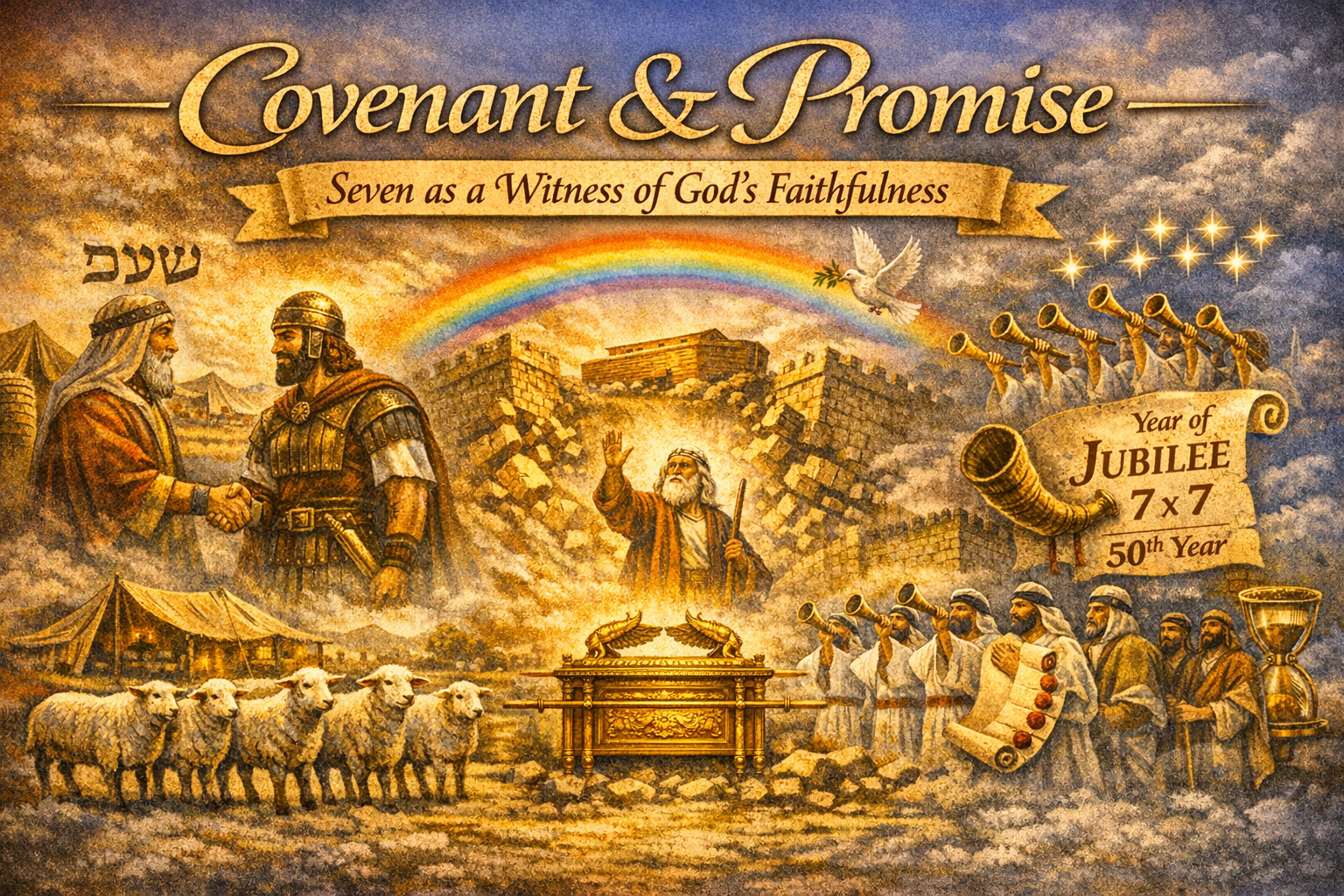
The number seven symbolizes God’s covenant faithfulness, seen in biblical events like Abraham’s oath, Noah’s rainbow, and the Jubilee.
-

The number seven signifies completeness in Israel’s worship, emphasizing preparation, cleansing, dedication, remembrance, and God’s presence.
-

The content explains God’s unity and His three expressions: the Mind (Father), the Word (Son), and the Breath (Spirit) as one God.
-

The sevenfold concept in Scripture symbolizes complete purification, justice, wisdom, and praise, reflecting God’s thorough divine processes in our lives.
-

Jericho’s sevens parallel Revelation’s trumpets, signaling God’s divine victory through completion, judgment, and the arrival of His kingdom.
-

The number forty signifies divine preparation, where God transforms His people through distinct seasons for new beginnings and deeper purpose.