Category: People of the Bible
-

Overview This study examines Moses’ forty-year exile in Midian — a season of transformation, family growth, and divine calling. It highlights how God prepared Moses through ordinary life experiences before commissioning him to lead Israel. 1. Historical Context 2. Key Events Event Scripture Reference Significance Flight from Egypt Exodus 2:11–15 Moses flees after killing an Egyptian,…
-

David, the youngest son of Jesse, descended from Boaz and Ruth, and had notable warrior brothers and sisters.
-

The content explores the biblical narrative from the Fall to Noah, emphasizing sin’s spread, judgment, and the origins of nations.
-
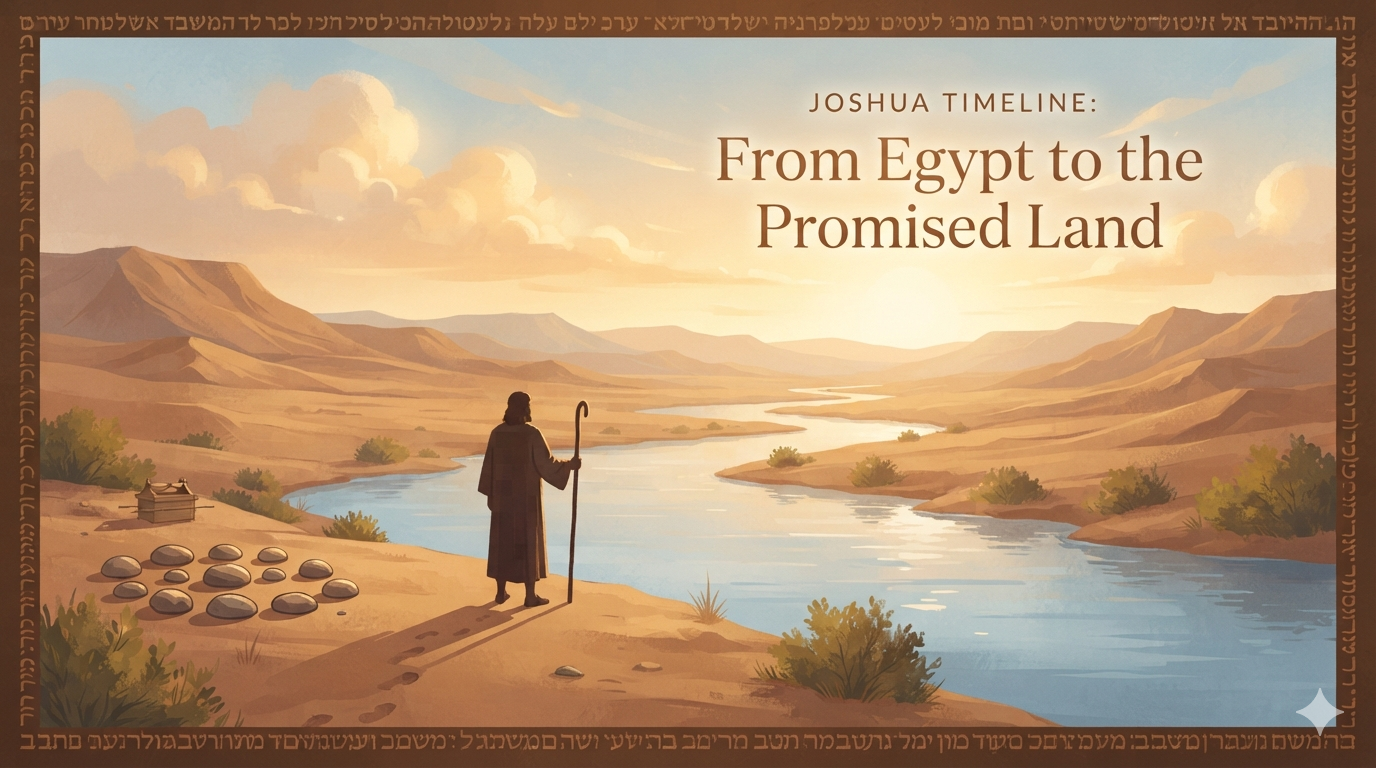
Joshua, born in Egypt, emerged as a military leader, assistant to Moses, and led Israel into the Promised Land before his death.
-

Midian and Moses form one of Scripture’s most intriguing intersections — a story of refuge, revelation, and renewal that bridges patriarchal history with the birth of Israel’s deliverer.
-
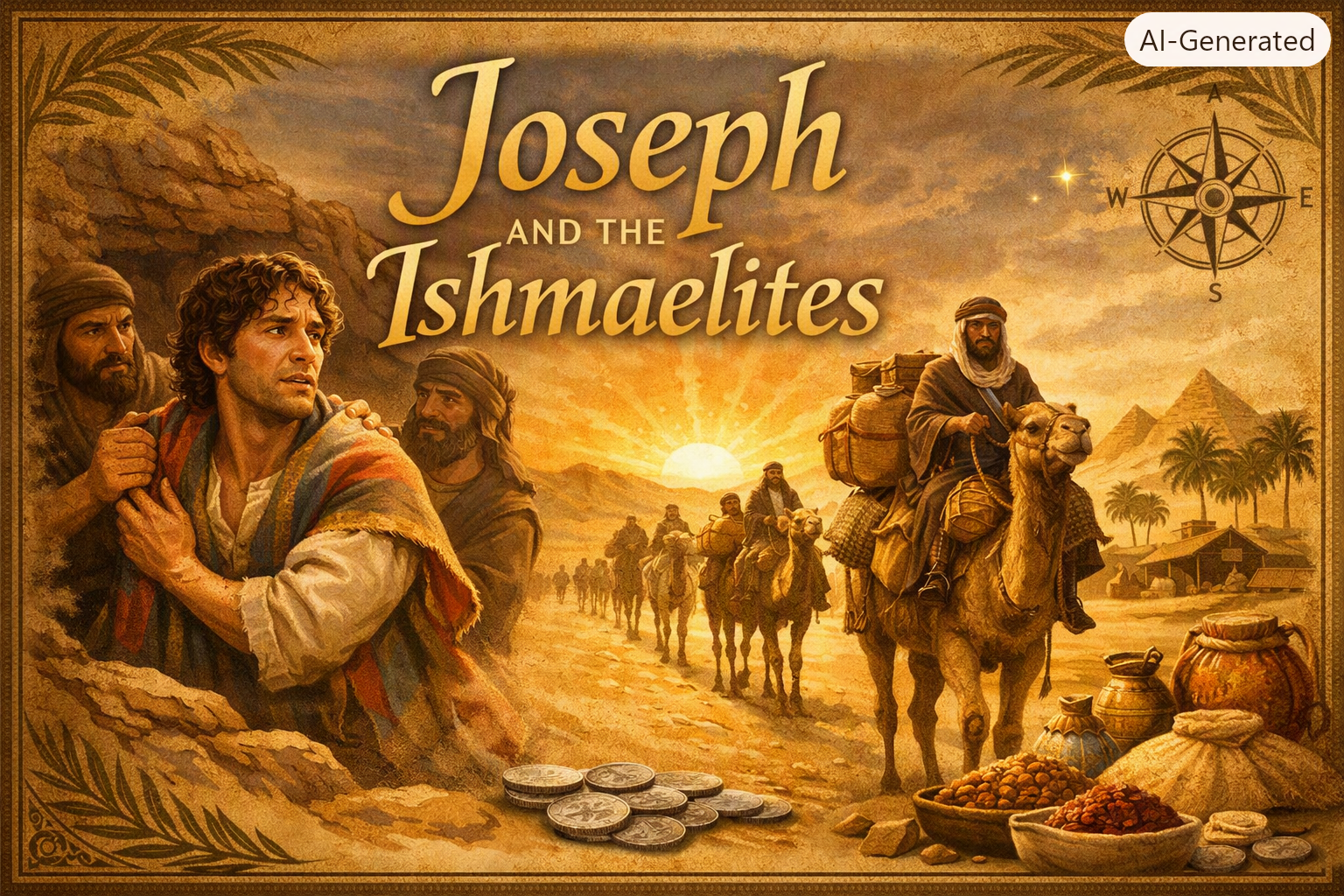
This study explores the intersection of Joseph’s story with the Ishmaelites in Genesis 37, highlighting how God’s providence works through both Isaac’s and Ishmael’s descendants.
-
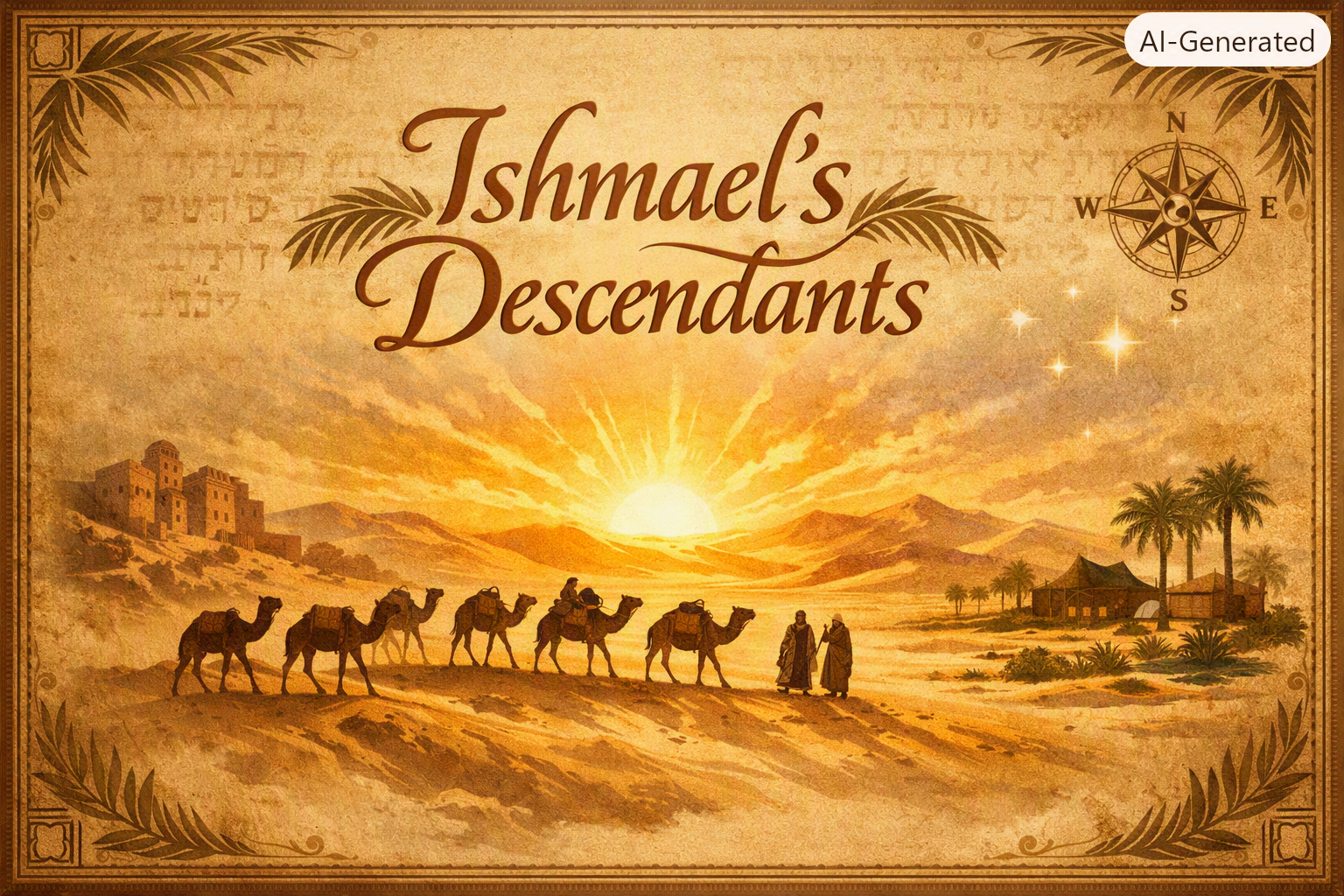
Ishmael’s twelve descendants formed tribes across Arabia, confirmed by archaeology and scripture, highlighting their historical significance in biblical narrative.
-

Edom symbolizes rebellion against God and serves as a prophetic warning, representing judgment, pride, and Israel’s eventual restoration.
-
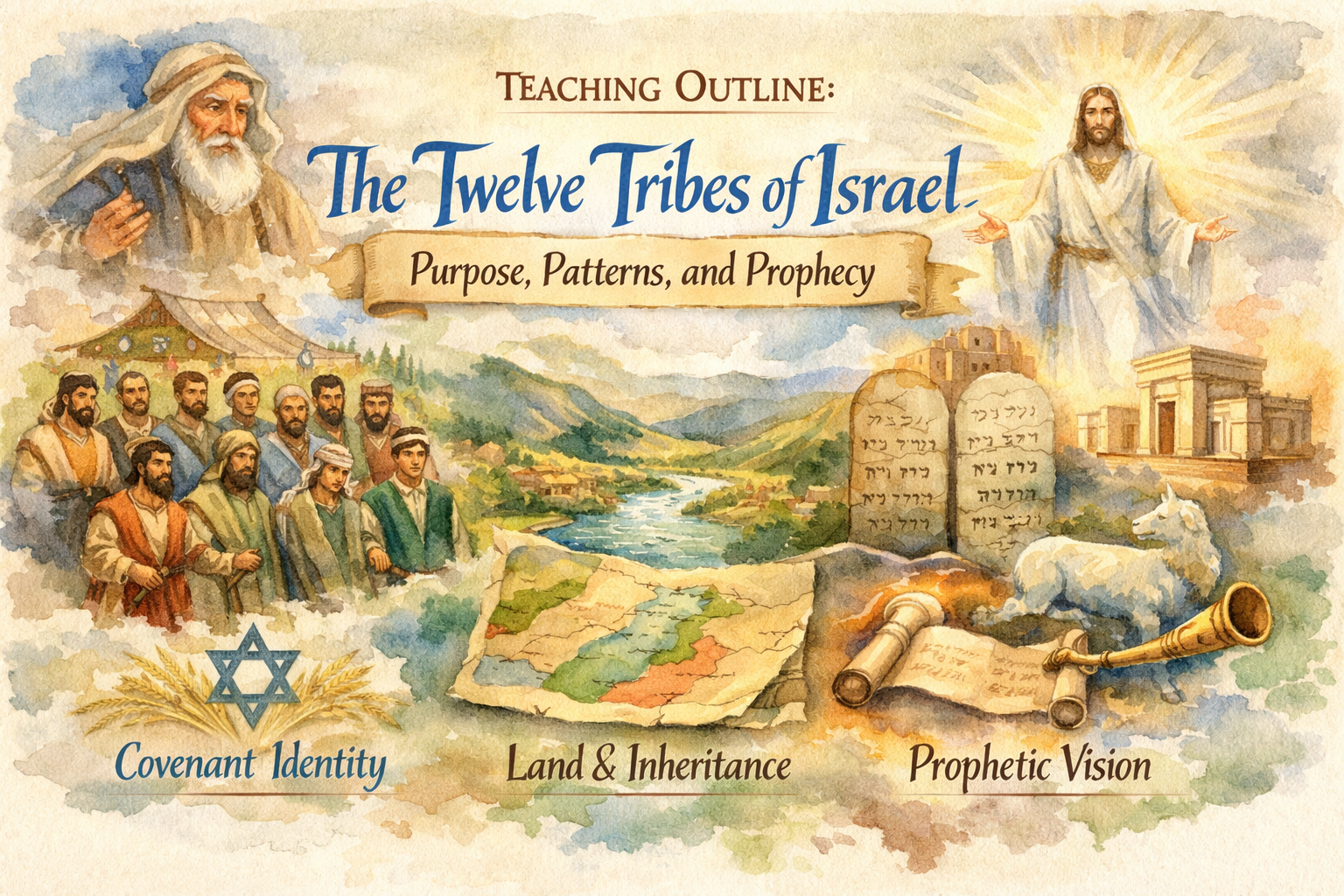
The tribal lists in the Bible emphasize identity, purpose, and God’s ordering of His people in historical and prophetic contexts.
-

Abraham’s lineage establishes multiple nations, prophetic narratives, and a covenant leading to Christ, clarifying Israel’s identity and purpose.