Category: Science Facts
-

A fun farm science activity helps children learn pig anatomy by observing, drawing, and labeling their bones and movements.
-
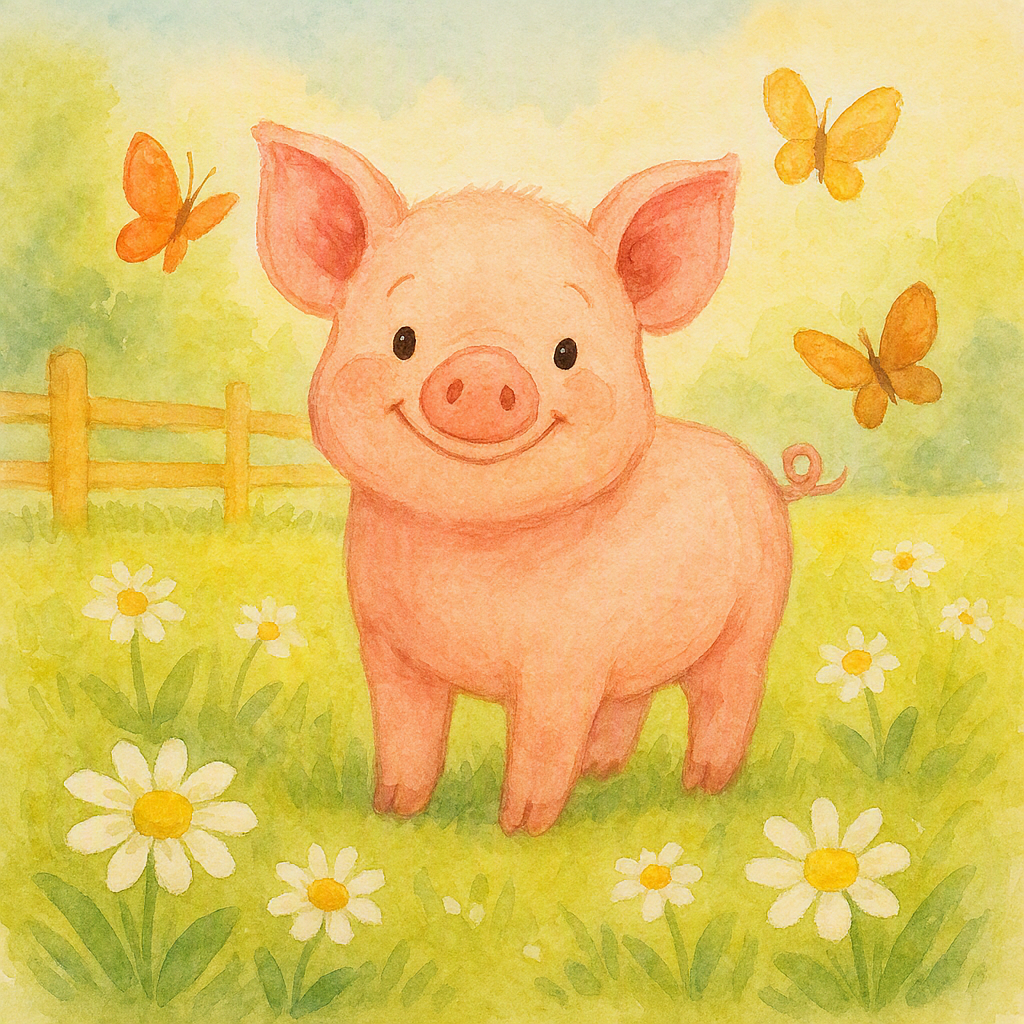
Pigs are intelligent, playful mammals known as swine. They are omnivores, have piglets as babies, and can be kept as pets.
-

The post provides essential tips on horse care, nutrition, drawing activities, and stories about horses for beginners and enthusiasts.
-
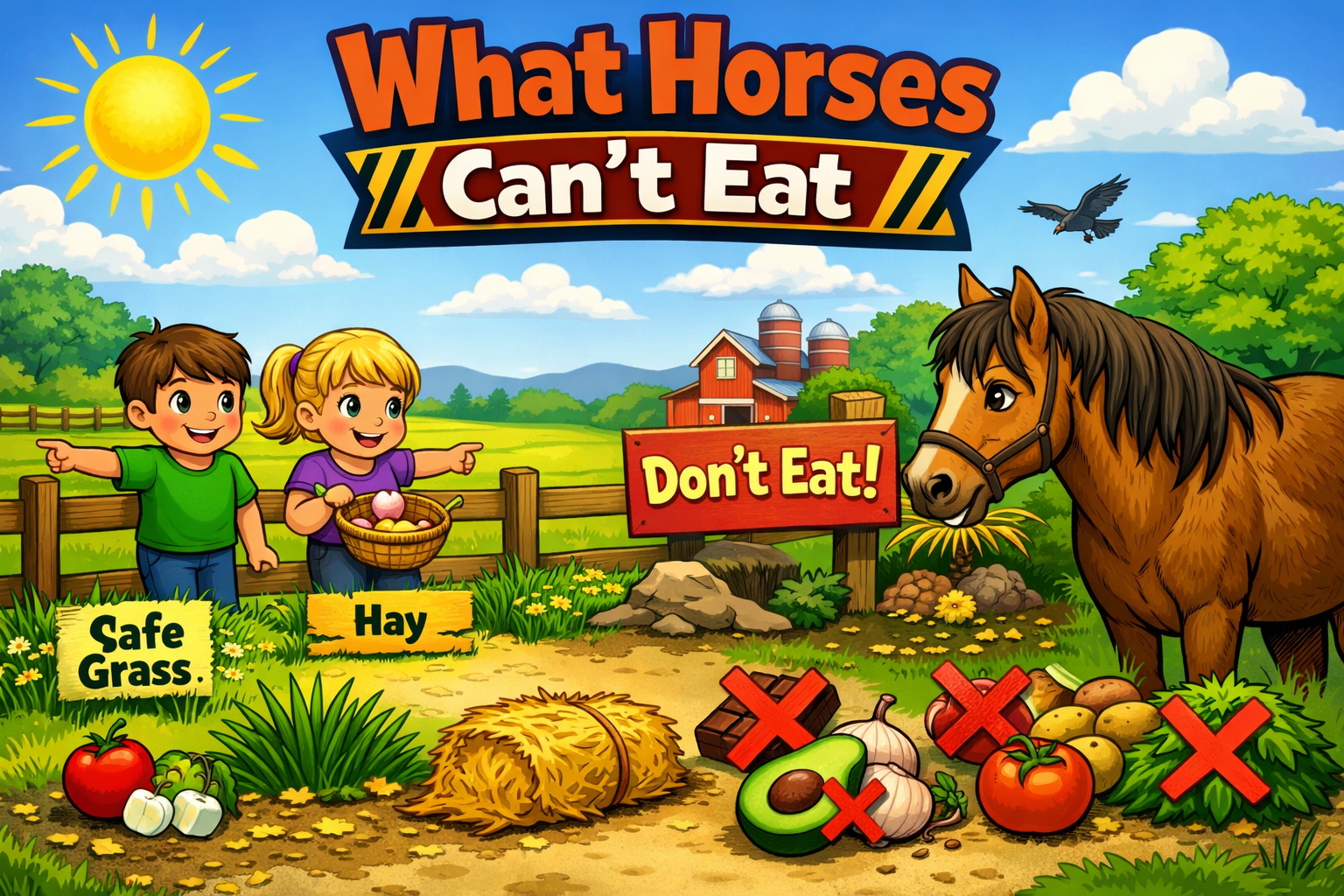
Horses must avoid toxic foods like chocolate and avocado, gas-producing vegetables, and unsafe human foods to prevent serious health issues.
-

Horses are herbivores, primarily eating grass and hay, with specific feeding guidelines to ensure their health and safety.
-
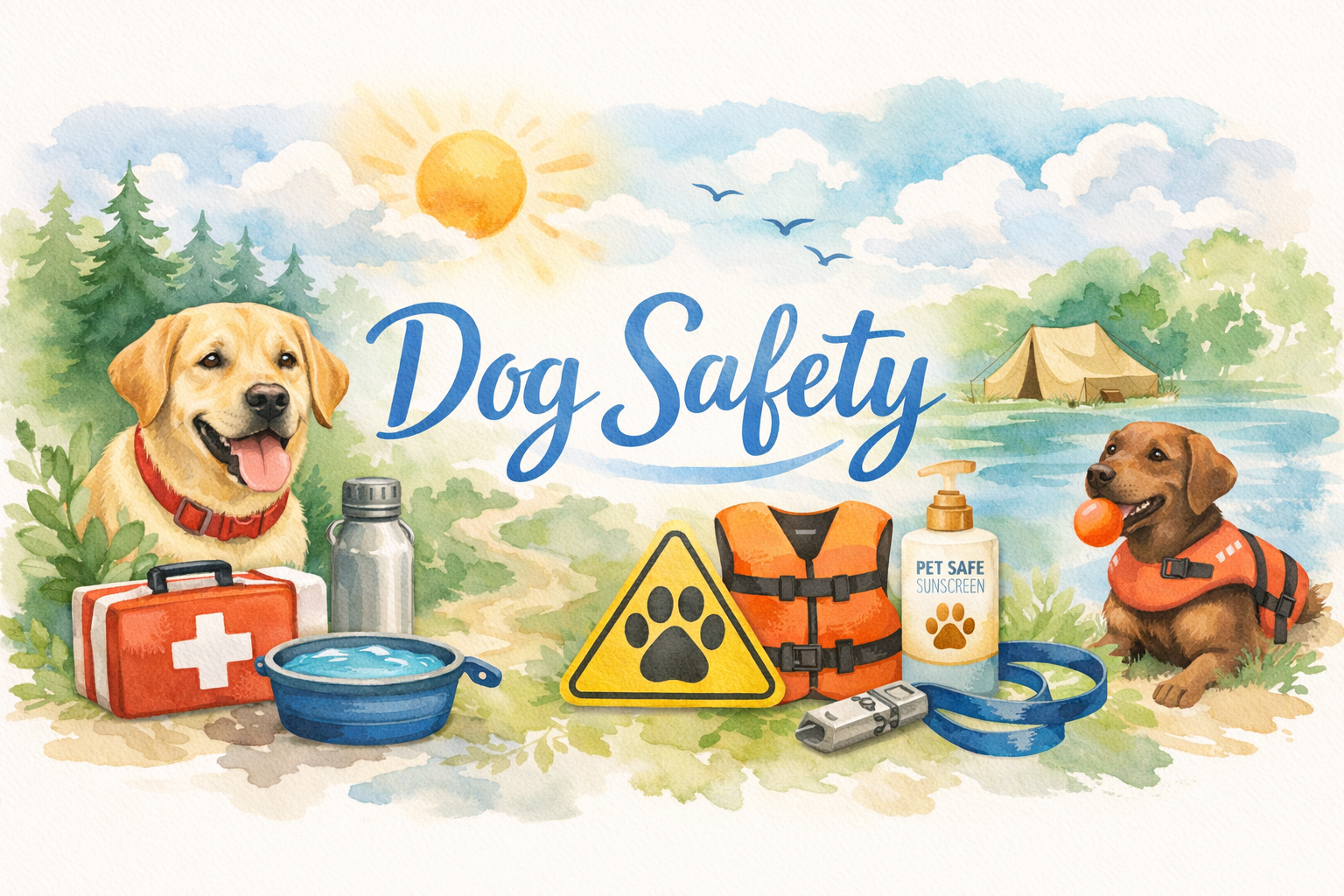
Recognize early signs of dog overheating, including rapid panting and behavioral changes, to prevent heatstroke effectively.
-

Ensure pets stay cool during hot weather by providing shade, monitoring temperature, and having emergency responses ready.
-
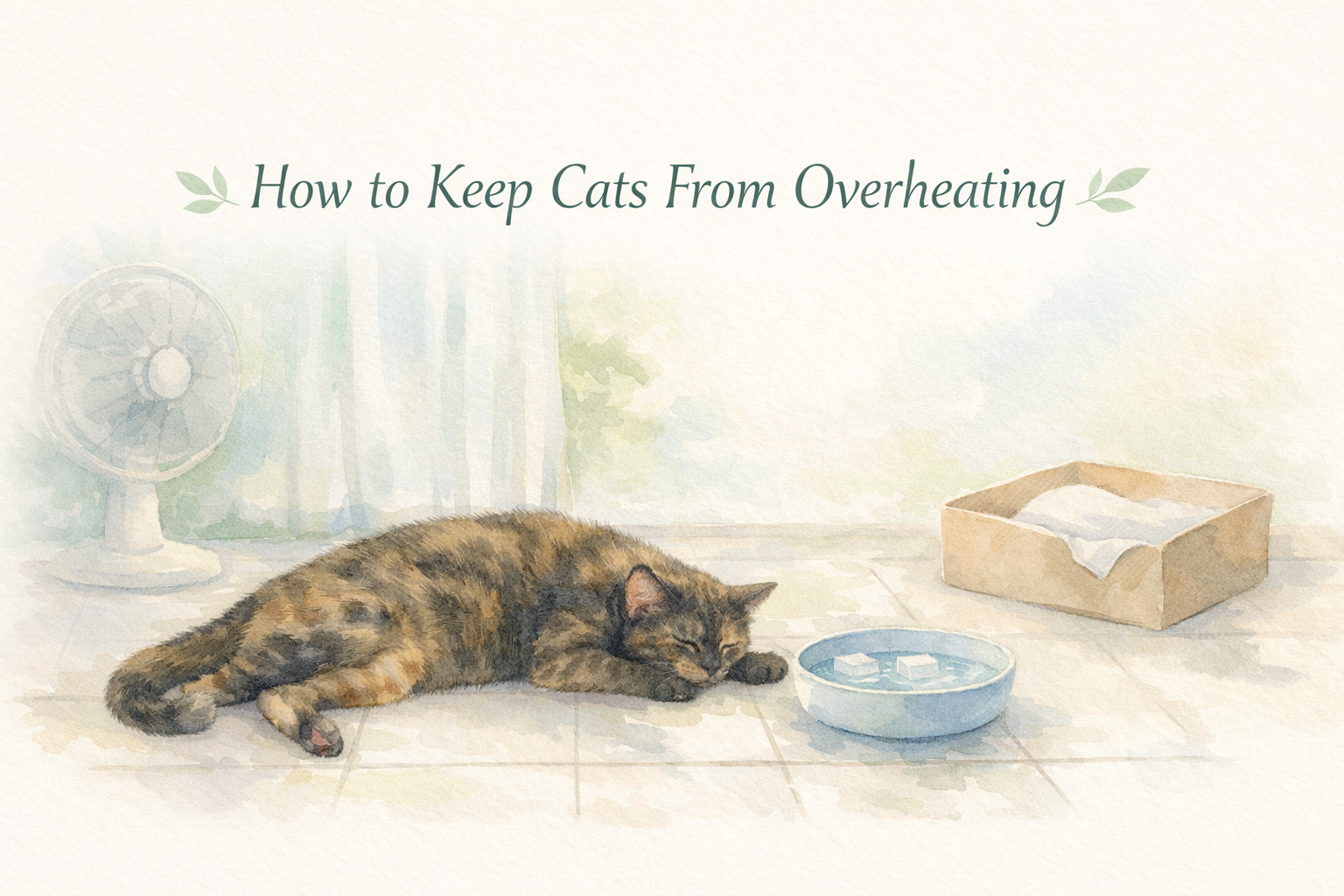
To keep cats cool, provide air-conditioned spaces, fresh water, create cool zones, and monitor for overheating signs.
-

Cats show clear signs of overheating, including excessive panting, warm ears, and lethargy. Immediate cooling measures are crucial to prevent heatstroke.
-
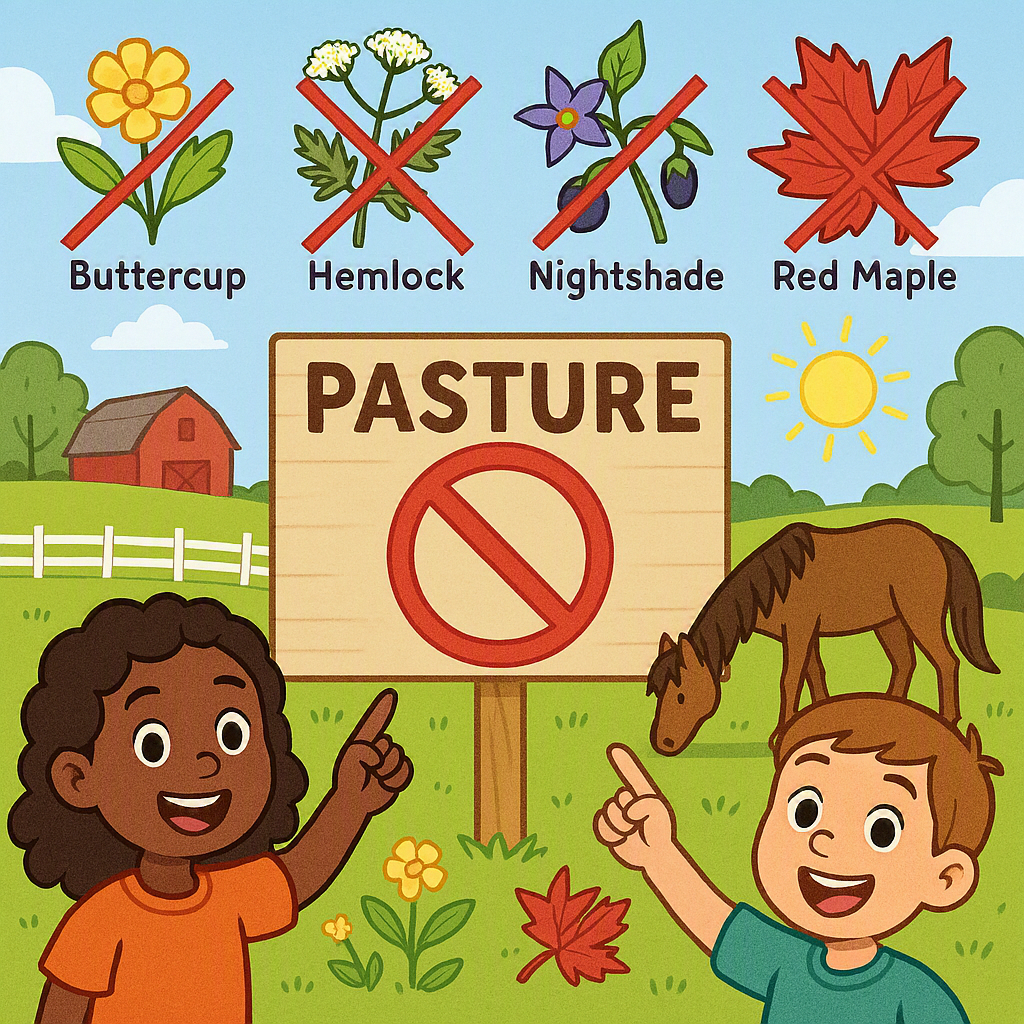
Common dangerous pasture plants include buttercups, poison hemlock, ragwort, and red maple leaves, posing severe risks to horses.