A place to grow your relationship with God

Archive for the ‘Household tips and thoughts’ Category

Natural Cleaning Tips: Vinegar, Lemons & Salt

The Virtues of Vinegar, Lemons & Salt


The Old Farmer’s Almanac has long been a proponent of the cleaning power of vinegar, lemons, and salt (and other equally down-to-earth ingredients). Following is a compilation of years of Almanac cleaning advice for the Kitchen.

Appliances

  • Dishwasher
    • To help keep the drain line clean and sweet smelling, add ½ cup white vinegar to the rinse cycle.
    • Fresh lemon juice will remove soap film from the interior.
  • Garbage Disposal
    • If the rubber shield smells after much use, soak it in a pan of white vinegar.
    • Toss used lemons into your garbage disposal to help keep it clean and fresh smelling.
  • Humidifier
    • To clean the filter, remove it and soak it in a pan of white vinegar until all the sediment is off. Then wash in dishwashing detergent and water.
  • Stove
    • Filmy dirt and grease on the stovetop will come clean with white vinegar.
    • To prevent grease buildup, dampen a rag with a solution of white vinegar and water and wipe out the interior of the oven.
    • Oven spills will stop smoking if you sprinkle them with salt. Wipe with a
      damp cloth after the oven cools.
    • If something in the oven catches on fire, salt or baking soda will help smother the flames.
    • A mixture of salt and cinnamon makes a good oven freshener. Sprinkle spills while the oven is still warm to take away the burned smell.
  • Refrigerator
    • Half a lemon place on a shelf will absorb odors
    • Salt and baking soda in water will clean and sweeten the inside of your refrigerator.

Metals

  • Chrome
    • Clean of soup and stains with a mixture of 1 teaspoon salt and 2 tablespoons white vinegar. To shine chrome and remove spots, rub with a piece of lemon rind, then wash and dry with a soft cloth.
  • Chrome and Stainless Steel
    • Shine with a cloth sprinkled generously with flour. Rub well, then dust off gently with another cloth.
  • Stainless Steel
    • Remove white hard water stains by rubbing with white vinegar
  • Brass, Copper, and Bronzer
    • Make a thick paste of salt, white vinegar, and flour. Rub it on the metal, then wash, rinse, and wipe dry.
  • Copper and Brass
    • Rub with lemon juice or for heavy corrosion, a paste of lemon juice and salt. Wash, rinse, and wipe dry.
  • Copper
    • Dip sorrel leaves in hot water and rub the metal to a rich
  • Silver
    • To ease polishing, rub with salt before washing and polishing.
  • Silverware
    • To remove stains, place silverware in a pan and cover with sour milk. Let stand overnight. In the morning, rinse with cold water then hot water.
  • Aluminum Utensils
    • When discolored, boil in lemon juice or sliced lemon and water to renew the shine. Or clean with a cloth dipped in lemon juice, then rinse with warm water
  • Aluminum Pans
    • Remove dark stains by filling the pan with water, adding 1 tablespoon white vinegar for each quart of water, and boiling for ten minutes.
  • Sooty Pans: Before using a pan for
  • outdoor cooking, coat the bottom with soap.
  • The soot that accumulates during cooking will wash off easily with
  • the soap.
  • Greasy Pans: Sprinkle with salt, then wipe with a paper towel
  • Pins with Burned-On Food: Fill with cold water, add 2 to 3 table
  • spoons salt, and let stand overnight. In the morning, bring the water
  • slowly to a boil, and your pan will be dean

DISHES & GLASSWARE

  • To remove chalky deposits, put dishes and glassware in the dish washer. Place a cup filled with white vinegar on the bottom rack. Run the dishwasher for five minutes, stop the machine, and empty the cup (now full of water). Refill with vinegar. Complete the cycle. Follow with another complete cycle
    using dishwasher detergent.
  • To remove cloudy mineral deposits from drinking glasses, put a tablespoon of lemon juice in each glass and fill with hot water Let stand for several hours, then wash.
  • To remove mineral deposits from baby bottles, add lemon juice to the water when boiling the bottles.
  • Let discolored or stained bottles, jars, and vases stand for some time in a solution of salt and white vinegar. Shake well and rinse.
  • Rub glass decanters with a cut lemon or soak in lemon juice and water. Dry with a lint-free cloth. To renew the sparkle and brightness inside, add a little water and a small piece of freshly cut lemon and shake well.
  • Use lemon juice and salt to return the luster to china.
  • To remove tea stains, scrub teacups and teapots vigorously with salt, then wash and dry.

MISCELLANEOUS

  • Countertops:
    • Laminated counters and tabletops
      • Can be cleaned by rubbing with a soft cloth soaked in white vinegar. This also makes them shine.
      • To remove stains without scratching, make a paste of baking soda and water. Apply it to the stain, let sit for a minute or two, and rub to remove.
  • Drip Coffeemakers
    • To clean, fill the reservoir with white vinegar and run through a brewing cycle.
  • Pastry Boards and Rolling Pins
    • Bleach by occasionally rubbing with a cut lemon.
  • Closed Containers
    • Use salt to deodorize Thermoses and other closed containers.
  • Sponges:
    • Soak in cold salt water to refresh.

WORKING WITH THE WEATHER

  • Heavy-Duty Cleaning
    • Save chores such as scouring the oven for a day with a brisk breeze, since many cleaning products give off potentially harmful fumes. Whether you’re using a commercial cleaner or ammonia or simply turning on your oven for its self-cleaning operation, for good ventilation open the windows on a dry day when the air is moving. Open both a kitchen window and one on the opposite side of the house to get a cross draft.
    • Chlorine bleach and other solutions for cleaning bathroom tiles also should be used only with cross ventilation.
    • As a general rule, unless it’s plain soap, if you can smell it and it is used for cleaning, get it out of the air as quickly as possible. A heavy, humid day, even with the help of a window fan, is not the right time. -Barbara Radcliffe Rogers

Timeless Marital Wisdom from The Farmer’s Almanac

MARITAL ADVICE FROM THE OLD FARMER’S ALMANAC

  • He who consults his spouse will have a good counselor. I have heard our minister say, “Women’s instincts are often truer than man’s reason.” They jump at a thing at once and are wise offhand. Say what you will of your wife’s advice, it’s likely you’ll be sorry you did not take it. 1889
  • It is just as much the husband’s business “to make the home the brightest and most alluring haven of rest and peace upon all the earth” as it is the wife’s. The idea that a mother who has been
    “worked and worried to death” all day by the cares and annoyances of a household, perhaps with a sick child to nurse and in feeble health at that, should have to go beyond her powers of endurance in order to “make home attractive” to some great lubber of a husband, with muscles of an ox, the health of a whale, and the digestion of an ostrich, is utterly absurd and inhuman.-1890
  • A shrewd old gentleman once said to his daughter, “Be sure, my dear, you never marry a poor man, but remember the poorest man in the world is one that has money, and nothing else.” – 1894
  • A wife’s wages are love, thoughtful attentions, little courtesies. Don’t skimp on her pay. -1921
  • If you are having frequent marital squabbles, you could go to see a therapist, but what might really help even more is to install a second bathroom in your house. One study found that couples with
    more than one bathroom, whether they had children or not, were less stressed and more content than those in single-bathroom homes. -1992

Smart Laundry and Cleaning Hacks for Every Home

Here are some house cleaning tips.

  • A damp cloth is better at catching dust than a dry one. A dry duster just scatters it around and into the air. It then resettles elsewhere later.
  • A swifter can be used with a dust cloth. Wet the dust cloth and you can dust mop.
  • A mop is good for cleaning the bottom of the bathtub. It can save your back on bending over.
  • If you have to move something more than 1 time per day because it is in the wrong place, and that item needs a new location.
  • Put things back where they belong when you are finished with it.
  • Sort the mail as it comes in. I find it helpful to stand near the trash can.
  • Laundry tips
    • Dawn Dish washing liquid is good as a laundry boaster for greasy and oily stains
    • Peroxide is good for
      • cleaning stains out of underwear
      • removing blood from clothing
      • disinfecting
  • Major dusting should be done about every three months. I personally try to align it with seasonal decoration swapping.
    • It is easier to dust when the stuff has just been put into a container to save until next year.
    • It is more fun when you know that you will get to put out things that has been put up for a while.
  • Basic weekly house cleaning
    • wash the clothes
      • wash at least 1 load of top clothes every week
      • wash at least 1 load of towels every week
      • wash the bedding at least once every two weeks
    • wash the dishes
      • every day
    • clean the counters
      • every day
    • clean the eating area
      • every day
    • take out the trash
      • when needed
    • sweep and mop
      • mopping should be done at least once per week
      • sweeping at least once a week but generally speaking as needed.
    • clean Bathroom
      • once a week

Essential Cookware Checklist for Every Kitchen

Pots and pans come in a variety of materials. Aluminum and copper are top-notch heat conductors, but all-copper pans can be pricey and tarnish easily, while plain aluminum pans may react with certain foods. Great choices for home cooks include heavy stainless-steel pans with copper bottoms, pans with aluminum layers sandwiched between stainless steel, and aluminum pans treated through hard anodization. This process makes them noncorrosive and great at conducting heat. Heavy pans like these, along with enameled cast iron, are often recommended for their ability to heat food evenly.

Range-Top Cookware Checklist
Commonly used cookware includes pans of different sizes, shapes, and functions.

  • Double boiler: Two pans work together, with one fitting into the other. Water in the bottom pan
    simmers gently to cook the contents in the top pan. You can substitute a metal or heat-resistant glass bowl and a saucepan. The bowl should fit in the pan but not touch the simmering water.
  • Dutch oven or kettle: The large, heavy pot has a tight-fitting lid and two handles. It is used for
    soups, stews, and braising meats. A kettle often
    is used in canning.
  • Saucepans: These versatile pans come in many sizes, including 1½, 2, and 3 quarts. It’s helpful to have several different sizes.
  • Skillets: This long-handled, low-sided pan sometimes is referred to as a frying pan. Its sides often slope to allow for better evaporation of liquids. Large (10-inch) and very large (12-inch) skillets are most useful. A 10-inch nonstick skillet also comes in handy. Other sizes include small (6-inch) and medium (8-inch). If you want to use a skillet in the oven, wrap the handle in a couple of layers of heavy-duty foil or purchase a skillet with an oven-going or removable handle.
  • Vegetable steamer (collapsible or insert): The perforated basket holds food over boiling water in a pan to steam it rather than boil it.

Ultimate Cooking and Housekeeping Tips for Every Occasion

Here are some Useful Tips for various cooking situations.

Cleaning tips

  • Smart Laundry and Cleaning Hacks for Every Home: Effective house cleaning involves regular tasks, good dusting techniques, laundry tips, and organizing to maintain a tidy environment.
  • Natural Cleaning Tips: Vinegar, Lemons & Salt – The Old Farmer’s Almanac offers practical cleaning tips using vinegar, lemons, and salt for various kitchen appliances and surfaces, ensuring effective and natural cleaning solutions.

Marriage and family Advice

Eating tips

  • Ancient Tips for Modern Dieters: Weight Loss Remedies: Throughout history, people have sought weight loss through dietary practices. Incorporating ingredients like fennel, greens, and whole grains, alongside mindful eating habits, can aid appetite control and promote healthier weight management.

How to Properly Season Your New Skillet

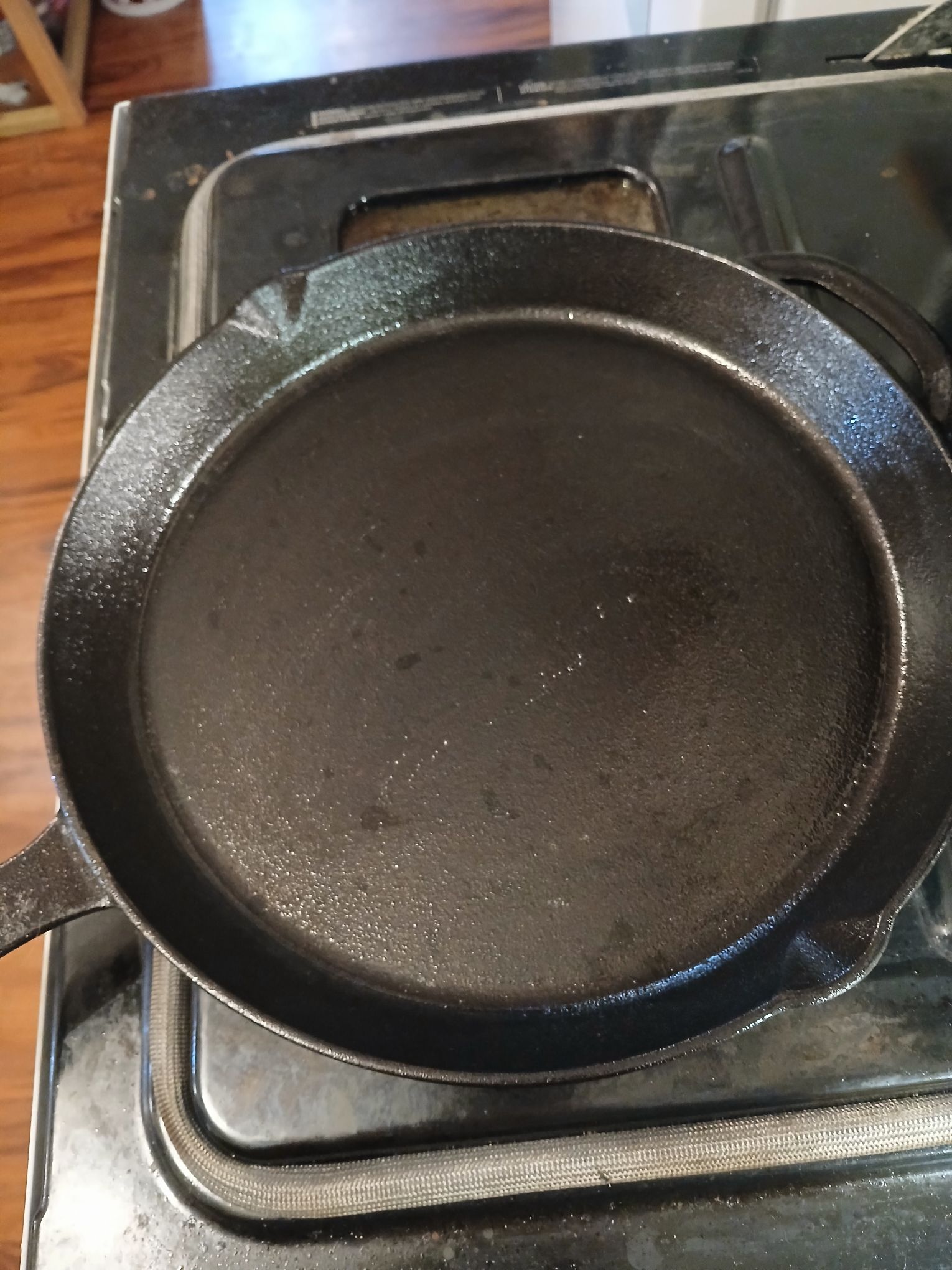
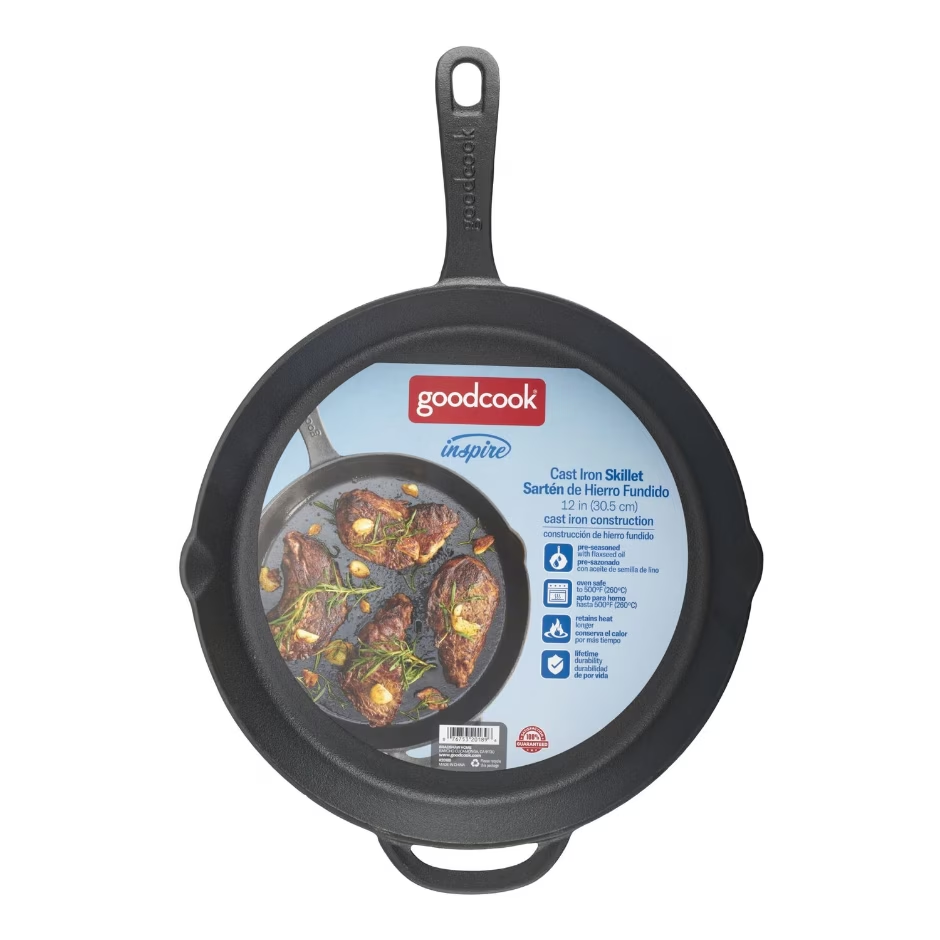
I bought this pan at the Family Dollar. It is a 12-inch skillet. It cost $12.

It said on the packaging that it was pre-seasoned. By the grayish color, I knew that it was nowhere near seasoned enough.

After 1 time in the oven

This looks better, but it still needs more seasoning.

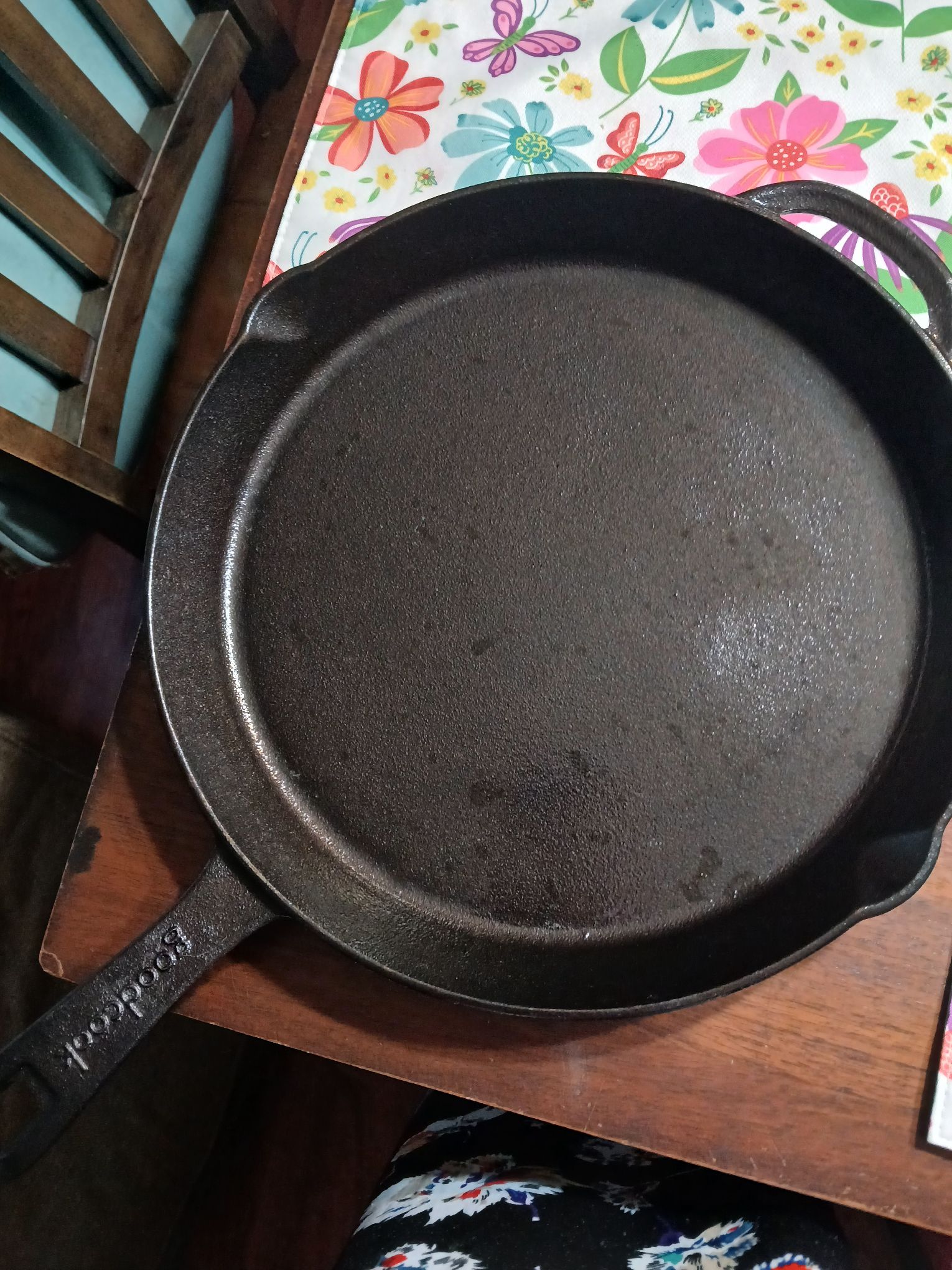
After 2nd time in the oven

This looks better. It still could use a bit more seasoning.  However,  I want to use it to make pancakes. Also,  using the pan will help to season it.

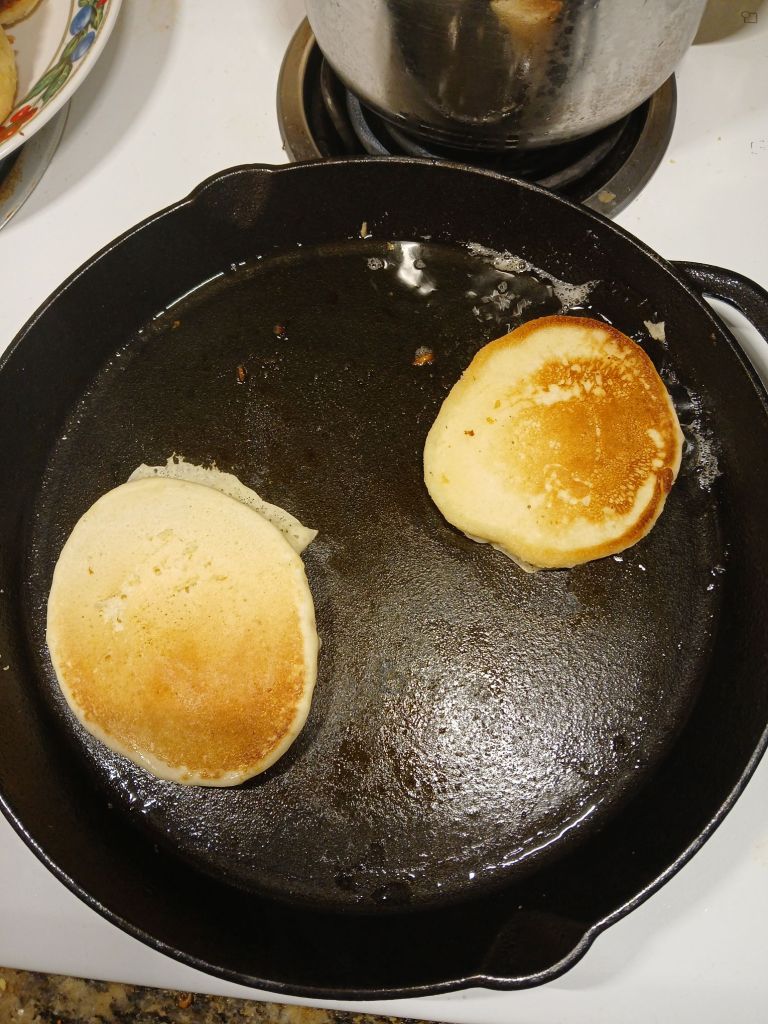
Pancakes stuck to the pan.

The 1st pancakes stuck to the pan a little bit. I removed the pancakes and added a little bit more cooking oil.  The next pancakes did better.

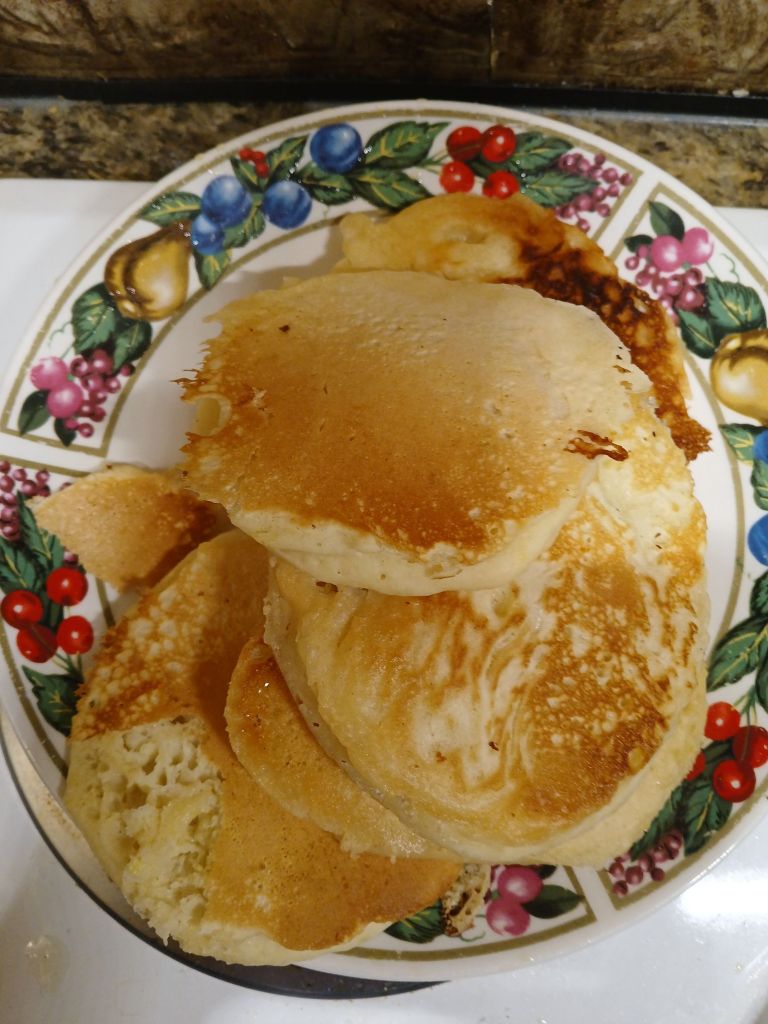
The Pancakes still turned out good.

The pan still needs a bit more seasoning.  It is a little bit of a thin pan, which means it is lighter than my other cast iron pans. That’s why I bought it. The cast iron pans I have are getting a little bit heavy for daily use, but cast iron is still the best thing to cook for in.

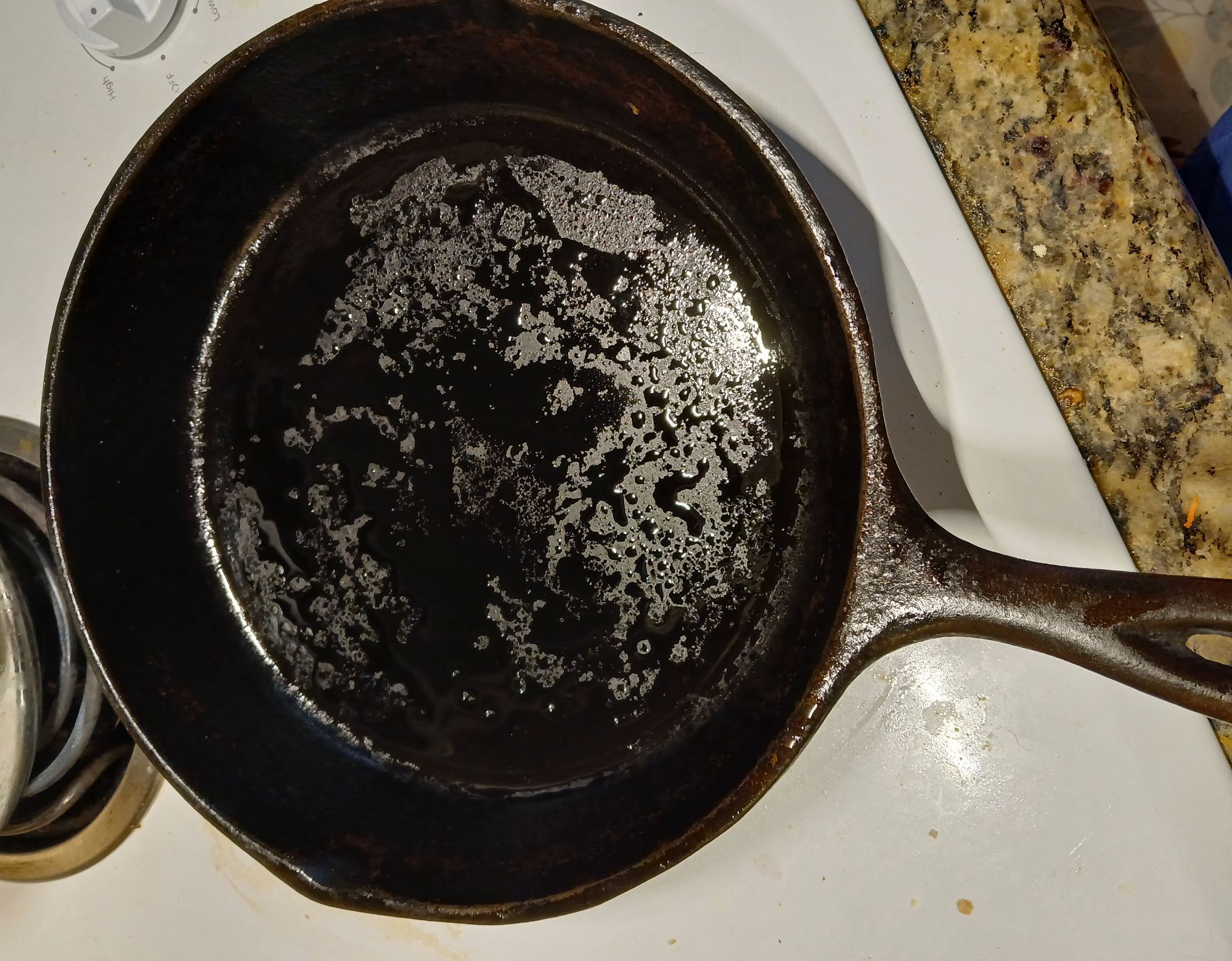
Overall, I am happy with the pan. As time goes on it will get better. Here is a skillet that my dad used and now I use. It is a 10-inch skillet that is seasoned well.

Top Tips for Caring for Cast Iron Cookware

How to Season your cast Iron Cookware:

  1. Wash was soapy water using a mild non-detergent soap (a little bit of Dawn Dish washing liquid works great).
  2. Now dry your cast iron.
  3. Spray your cast iron with cooking oil or rub a layer of shortening over the cast iron.
    • If your cast iron is new or pans that have not been used for a while, oil both sides.
    • A thin layer is best.
    • It is best to do thin layers and repeat the process a few times to get the desired finish.
    • Another reason for the thin layer is that the high cooking may produce a small amount of smoke in the process and a thin layer minimizes that aspect of seasoning your cookware.
    • Using an excessive amount of seasoning oil may produce more smoke and is not desirable.
  4. Place foil on a lower rack to catch drips
  5. Heat the oven 375 degrees Fahrenheit.
  6. Place the cast iron, upside down for the 1st time, on the upper rack.
  7. Bake for 45 minutes, let cool in the oven.
    • This process produces a chemical reaction with the oil and the iron called polymerization which creates a smooth non-stick finish on the surface. Once this process takes place the oils have been transformed to polymers on the surface of the pan which is also the season on the pan’s surface
  8. Some people prefer to bake for 50 minutes but at 375 degrees, so either method should provide good results

How to care for your Cast iron

  • Wash as needed with mild non-detergent soap (a little bit of Dawn Dish washing liquid works great).
    • Sometimes you can just wipe out the cast iron with a dry cloth. For example, after cooking:
      • fried eggs
      • scrambled eggs (if it is plain egg)
      • neatly cooked omelets (no stray cheese or other ingredients)
      • pancakes
  • Always dry the cast iron immediately after washing.
  • Spray with oil or rub with shortening immediately after drying.
  • I like to spray my frequently used cast iron with oil, just the inside, and bake it right side up in the oven for about 10 minutes at 350 degrees about once per month to maintain its seasoning.
    • My cast iron is frequently used and washed. Over washing can wash away the seasoning.
    • The seasoning helps it not to stick the food.
  • It is best practice to clean the cast iron as soon as possible after use. However, with good frequently maintenance, you can get away with leaving the food in there for a while.
    • Remember it is better to leave the cast iron unwashed until you have time to wash, dry, and oil than to ruin the cast iron by not taking the time to dry and oil.