A place to grow your relationship with God

Archive for the ‘winter’ Category

Understanding Tu B’Shevat: Jewish New Year for Trees

When Is Tu B´Shevat?

Tu Bishvat: Tu B’Shevat (or Tu Bishvat) marks the “birthday of the fruit trees” under Jewish law, and is often celebrated by a symbolic meal and tree planting activities. This Jewish holiday occurrson the 15th day of the Hebrew month of Shevat. It is also called Rosh HaShanah La’Ilanot (ראש השנה לאילנות‎), literally “New Year to the Trees”. In contemporary Israel, the day is celebrated as an ecological awareness day, and trees are planted in celebration.

Fruit, Nuts and Planting

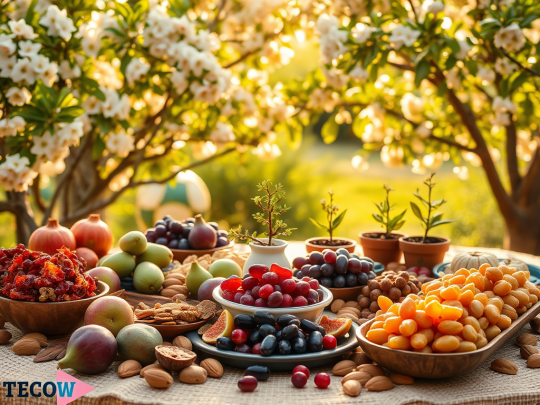
Some Jewish people gather with family and friends to celebrate Tu B´Shevat by serving a seder (holiday meal) of dried fruit and nuts, red wine and grape juice. Pickled etog, a type of citrus, is often a featured dish at these festivities.

Other Jewish people celebrate by planting trees or joining in on efforts to raise environmental awareness. To many, it is considered the Jewish equivalent of Arbor Day.

Background

In some interpretations of Jewish law, any fruit that grows in the first three years after a tree starts bearing is called orlah, meaning it’s not kosher and can’t be eaten. Tu B’Shevat celebrates the “new year” or “birthday” of trees, and fruit that ripens in the third year on or after the 15th of Shevat is considered kosher. Traditionally, fruit from the fourth year was brought to the temple as a tithe, but today this is done symbolically with coins.

  • Leviticus 19:23-25
    • ‘When you enter the land and plant all kinds of trees for food, then you shall consider their fruit forbidden. For three years the fruit shall be forbidden to you; it shall not be eaten.  In the fourth year all the fruit shall be holy, an offering of praise to the Lord.  In the fifth year you may eat the fruit [of the trees], this is so that their yield may increase for you; I am the Lord your God.

After 1600 CE, some Jewish communities began holding a symbolic seder on Tu B’Shevat, featuring various fruits and nuts, each with its own spiritual meaning. This tradition is still observed by certain Jewish groups today.

Tu B’Shevat is one of the four Jewish new years. Among the most well-known is Rosh Hashanah, celebrated on the first day of Tishrei. The New Year for kings and festivals falls on the first day of Nisan, and the New Year for animal tithes is observed on the first day of Elul.

Symbols

Important symbols of Tu B’Shevat include different types of dried fruit arranged on a platter, flowering almond trees and the “seven species”. These are:

  • Barley.
  • Dates.
  • Figs.
  • Grapes.
  • Olives.
  • Pomegranates.
  • Wheat.

The seven species are associated with the Land of Israel in the Torah so they have an important place in Jewish culture.

Green Day

In recent years,Tu B’Shevat has come to be primarily an environmental holiday. Many Jews use this day as an opportunity to remind themselves of their scriptural duty to care to be good stewards for God’s creation, or the natural world.

Many Jews honor the day by taking part in a tree-planting ceremony, or collecting and sending money to Israel for tree planting efforts there.

Others celebrate by picking fruits and vegetables at farms, starting herb gardens, building birdhouses, or organizing beach and park clean-up activities.

Candlemas Day

Candlemas Day, observed on February 2, is a Christian festival that celebrates the Presentation of the Lord, when baby Jesus was brought to the Temple by his parents in keeping with Jewish tradition. Falling 40 days after Christmas, it marks the close of the Christmas season.
Candlemas gets its name from the old tradition of blessing candles and handing them out to worshipers. The candles bring to mind the lights of Christmas and also represent Simeon’s words to Mary and Joseph in Luke 2:32, describing Jesus as “a light to lighten the Gentiles, and the glory of your people Israel.”
Candlemas Day was once a celebration of Mary’s purification following Jesus’ birth, but today the focus has shifted more toward honoring Jesus himself.

Luke 2:22-40

And when the days of her purification according to the law of Moses were accomplished, they brought him to Jerusalem, to present him to the Lord; (As it is written in the law of the Lord, Every male that openeth the womb shall be called holy to the Lord;) And to offer a sacrifice according to that which is said in the law of the Lord, A pair of turtledoves, or two young pigeons.

And, behold, there was a man in Jerusalem, whose name was Simeon; and the same man was just and devout, waiting for the consolation of Israel: and the Holy Ghost was upon him. And it was revealed unto him by the Holy Ghost, that he should not see death, before he had seen the Lord’s Christ. And he came by the Spirit into the temple: and when the parents brought in the child Jesus, to do for him after the custom of the law,

Then took he him up in his arms, and blessed God, and said,

  • Lord, now lettest thou thy servant depart in peace, according to thy word: For mine eyes have seen thy salvation, Which thou hast prepared before the face of all people; A light to lighten the Gentiles, and the glory of thy people Israel.

And Joseph and his mother marvelled at those things which were spoken of him. And Simeon blessed them,

  • and said unto Mary his mother, Behold, this child is set for the fall and rising again of many in Israel; and for a sign which shall be spoken against; (Yea, a sword shall pierce through thy own soul also,) that the thoughts of many hearts may be revealed.

And there was one Anna, a prophetess, the daughter of Phanuel, of the tribe of Aser: she was of a great age, and had lived with an husband seven years from her virginity; And she was a widow of about fourscore and four years, which departed not from the temple, but served God with fastings and prayers night and day.

And she coming in that instant gave thanks likewise unto the Lord,

  • and spake of him to all them that looked for redemption in Jerusalem.

And when they had performed all things according to the law of the Lord, they returned into Galilee, to their own city Nazareth. And the child grew, and waxed strong in spirit, filled with wisdom: and the grace of God was upon him.

Understanding Groundhog Day: History and Traditions

Groundhog Day comes from a tradition brought to America by people from Germany and Great Britain. They believed it was a time to predict the weather for the next six weeks. According to legend, the groundhog, or woodchuck, wakes from its long winter sleep on February 2 and pokes its head out of its burrow. If the sun is shining and it sees its shadow, it gets scared and retreats underground, meaning six more weeks of winter. But if it’s cloudy and there’s no shadow, it stays outside, signaling that spring is on its way. Science, however, hasn’t confirmed this belief.

In the United States as Ground-hog Day is more whimsical. On this day, everyone listens for reports of Punxsutawney Phil, the nation’s “official” groundhog.

Source: World Book Encyclopedia 1990

Events in February: Fun Days and Historical Remembrances

This page gives a list of some Holidays and other events that occur in February. Some of the events are fun days. Others are for remembering only. Information is attached to many of the events. Have fun reading, learning, and/ or celebrating.

February is the second month of the year in the Gregorian calendar, which is used almost everywhere today, and it’s also the shortest. Legend says the first Roman calendar had only 10 months, until ruler Numa Pompilius added January and February around 700 B.C., making February the last month of their year. Its name comes from the Latin word *februare*, meaning “to purify,” as Romans would cleanse themselves in preparation for festivals marking the new year. Eventually, the start of the year was moved from March to January, placing February second.

In Numa’s calendar, a regular year had 355 days, with February lasting 28 days. Every other year, an extra month was inserted between February 23 and 24 to keep the months in sync with the solar year. Then, in 46 B.C., Rome switched to a 365-day calendar, giving February 28 days in normal years and 29 days every fourth year. Today, we call that longer year a leap year.

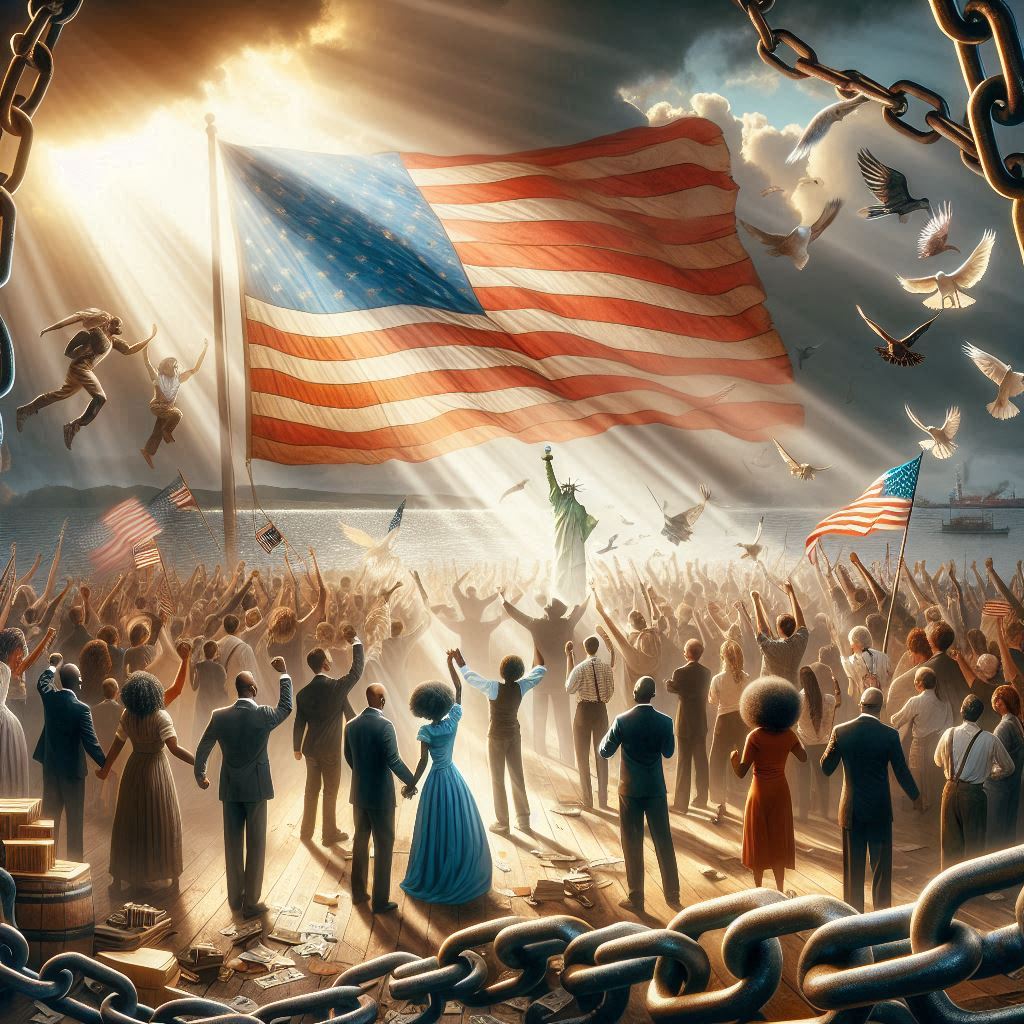
National Freedom Day: is an observance in the United States that honors the signing of a resolution that proposed the 13th amendment of the nation’s constitution on February 1, 1865.
Candlemas: is a Christian holiday celebrated annually on February 2. It celebrates three occasions according to Christian belief: the presentation of the child Jesus; Jesus’ first entry into the temple; and it celebrates the Virgin Mary’s purification (mainly in Catholic churches).
World Cancer Day: is a global observance that helps raise people’s awareness of cancer and how to prevent, detect, or treat it. This event is held on February 4 each year.
World Radio Day: February 13 is World Radio Day, which celebrates the radio as a way of educating people, providing information, and promoting freedom of expression across cultures.
Presidents’ Day: The federal holiday on the third Monday of February is called Washington’s Birthday, while several US states celebrate it as “Presidents’ Day”. The holiday creates a long weekend.
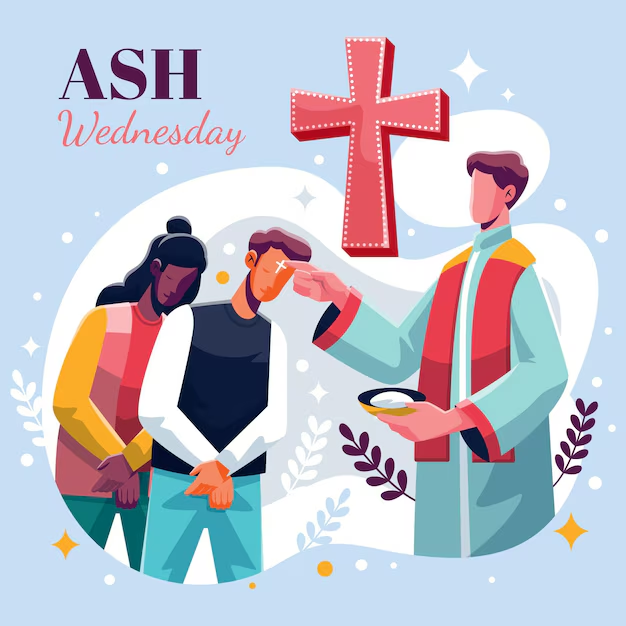
Ash Wednesday: Many Christian Americans mark Ash Wednesday as the first day of Lent.
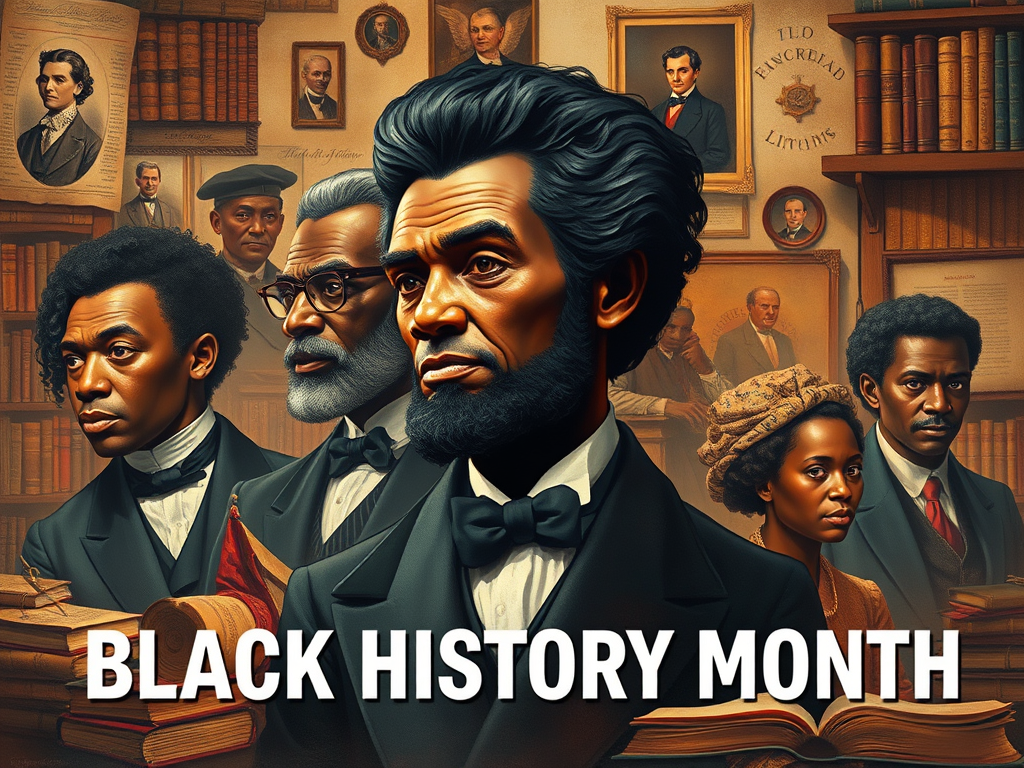
Feb. 1st is the First Day of Black History Month: Black History Month is an annual celebration in February that honors the achievements and contributions of African Americans throughout history.
World Wetlands Day: is annually held on February 2 to celebrate how wetlands, which are lands saturated by water, help maintain biodiversity on Earth.
Rosa Parks Day: Rosa Parks Day is an American observance to honor civil rights activist Rosa Parks, who was known for refusing to give up her seat on a bus. California, Missouri, and New York observance it on February 4th.
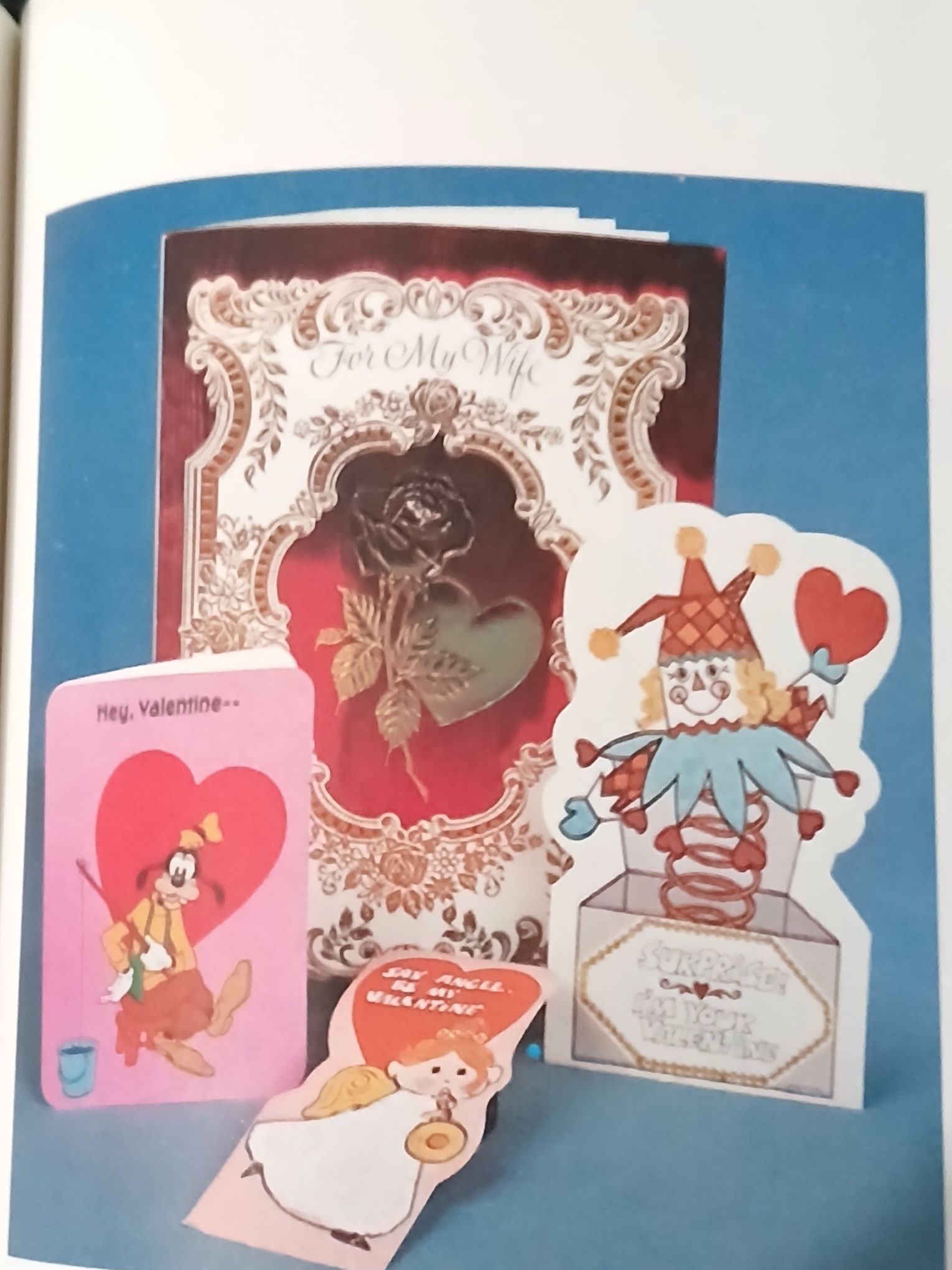
Valentine’s Day: is observed on February 14 as a time to acknowledge love and affection in many forms. The observance is widely celebrated with cards, gifts, and other thoughtful gestures.
Mardi Gras: Shrove Tuesday or Mardi Gras is the last day before the fasting period of Lent (for Western Christians), 47 days before Easter Sunday. Shrove Tuesday is also called Mardi Gras, Fat Tuesday, or Pancake Day.
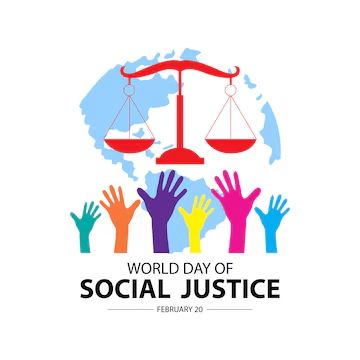
World Day of Social Justice: The United Nations’ (UN) World Day of Social Justice is annually observed on February 20 to encourage people to look at how social justice affects poverty eradication. It also focuses on the goal of achieving full employment and support for social integration.
Groundhog Day: falls on February 2 in the United States. It is a part of popular culture among many Americans, and it centers on the idea of the groundhog coming out of its home to “predict” the weather.
Tu Bishvat: marks the “birthday of the fruit trees” under Jewish law and is often celebrated by a symbolic meal and tree planting activities. This Jewish holiday occurs on the 15th day of the Hebrew month of Shevat.
International Day of Zero Tolerance for Female Genital Mutilation: The International Day of Zero Tolerance for Female Genital Mutilation is a United Nations (UN) campaign held on February 6 to stop genital mutilation to girls and women.
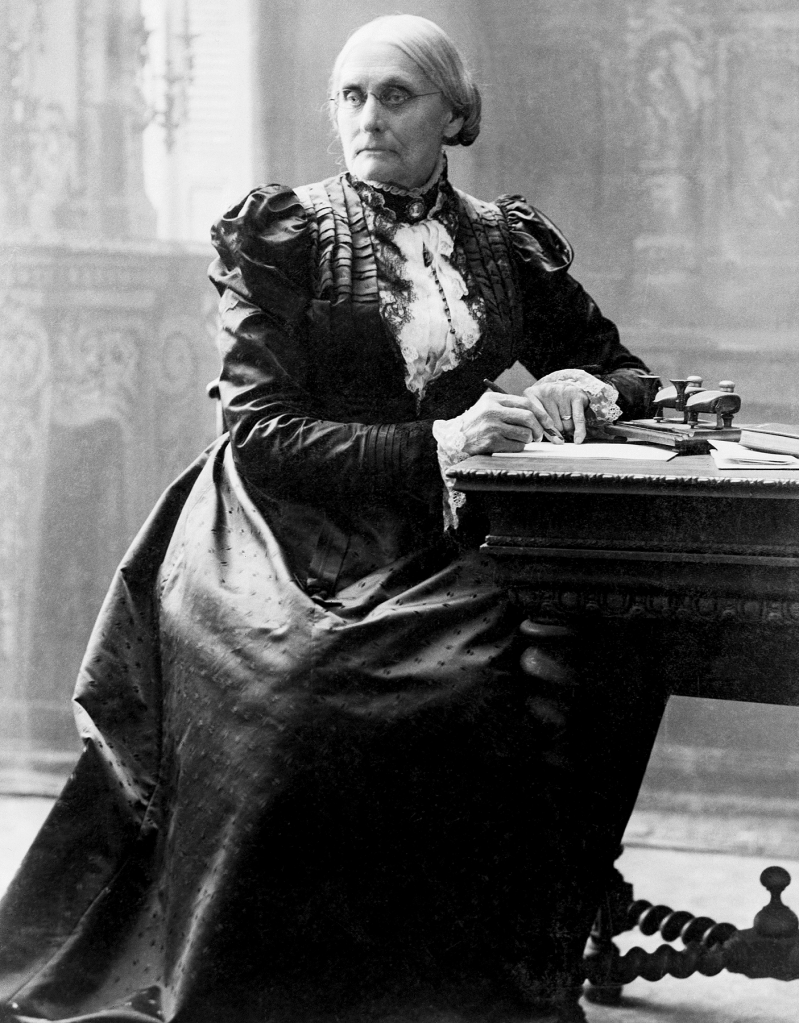
Susan B. Anthony’s Birthday: Celebrated on February 15, Susan B Anthony Day marks the birthday of one of the United States’ most prominent female civil rights leaders.
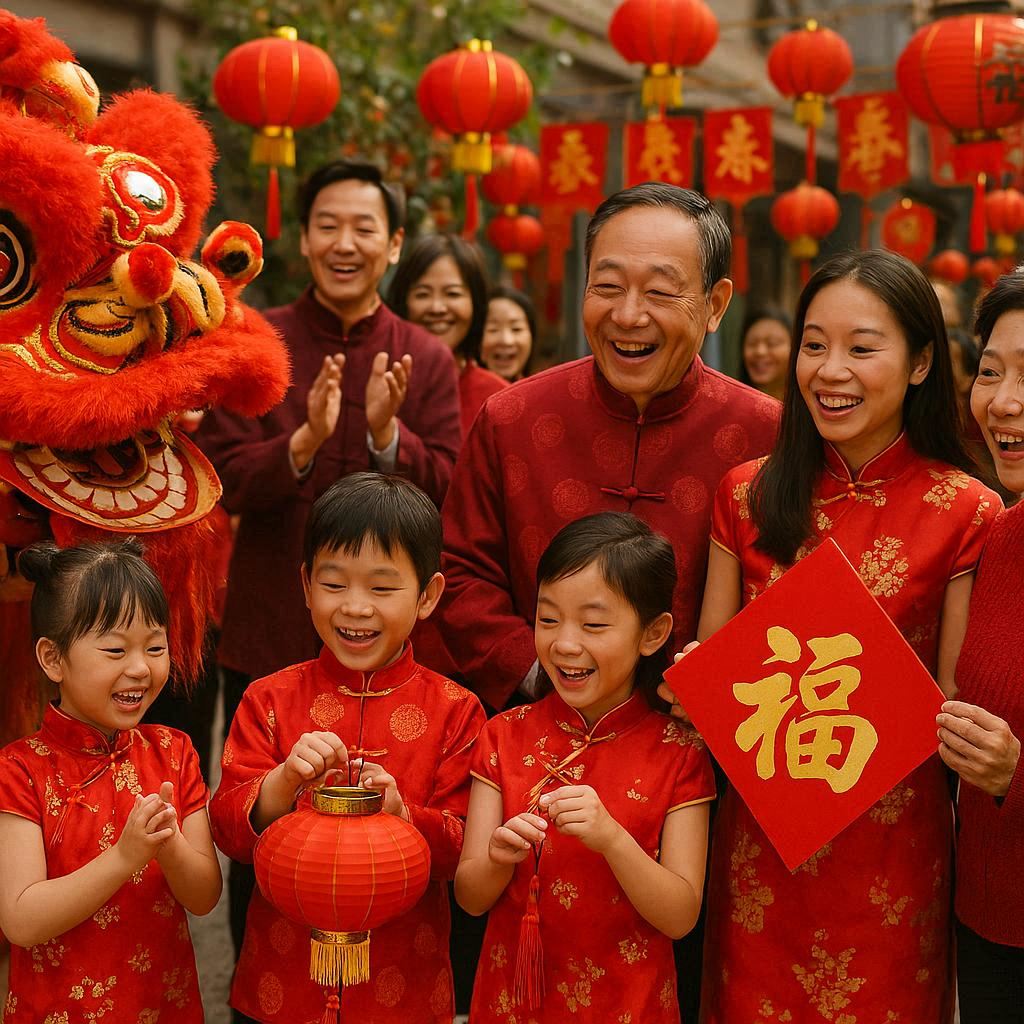
Lunar New Year: Many people in countries such as the United States celebrate Lunar New Year. It marks the first day of the New Year in the Chinese calendar. Why Is the Date Always Changing?  Read a news article on this very topic.
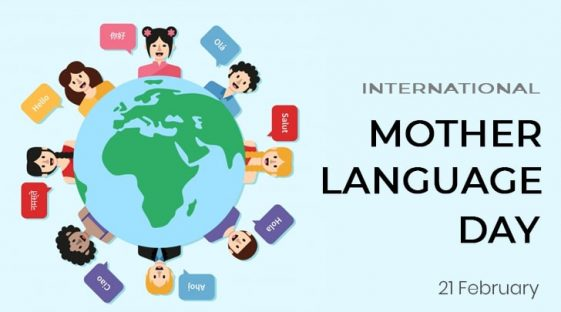
International Mother Language Day: The United Nations’ (UN) International Mother Language Day annually celebrates language diversity and variety worldwide on February 21. It also remembers events such as the killing of four students on February 21, 1952, because they campaigned to officially use their mother language, Bengali, in Bangladesh.

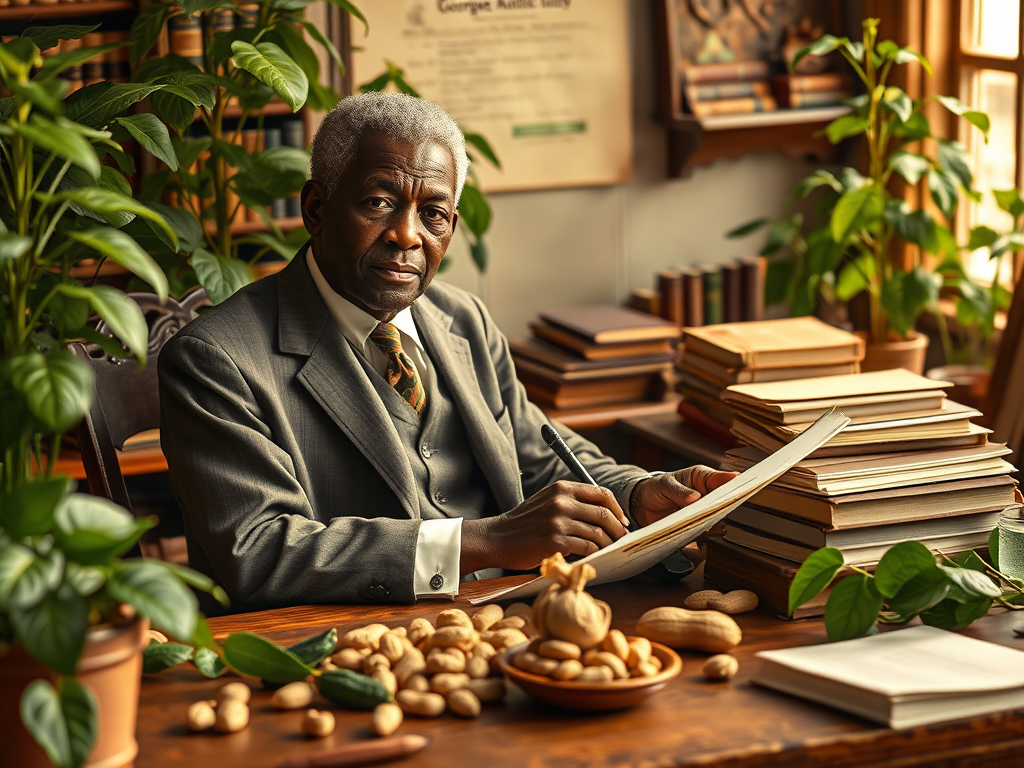
George Washington Carver: Pioneer of Agricultural Innovation

George Washington Carver (1864-1943) was a Black American scientist who gained worldwide recognition for his agricultural research, particularly with peanuts. He developed over 300 peanut-based products, such as a milk substitute, face powder, printer’s ink, and soap. Carver also dedicated himself to advancing the interests of Black people and fostering better relationships between Black and white communities.

Early years

Carver was born into slavery on a farm near Diamond, Missouri. Soon after his birth, his father died in an accident, and his mother was kidnapped by night raiders. He was raised by his owners, Moses and Susan Carver, until slavery was abolished in 1865.
As a young boy, George had a strong fascination with plants and a deep eagerness to learn. The Carvers taught him how to read and write, and around the age of 11, he moved to Neosho, Missouri, to attend a school for Black children.
Over the next 20 years, Carver took on various jobs to support himself and fund his education. In 1890, he enrolled at Simpson College in Indianola, Iowa, where he showed talent as a painter but ultimately chose to pursue agriculture. A year later, he transferred to Iowa State Agricultural College (now Iowa State University) in Ames, earning his bachelor’s degree in agriculture in 1894 and his master’s degree in 1896.

Tuskegee instructor and researcher

In 1896, Carver moved to Alabama to join the faculty at the Tuskegee Institute (now Tuskegee University), an industrial and agricultural school for Black students. He became head of the agricultural department and director of a state agricultural station. Initially, Carver continued his research on fungi, a subject he had specialized in while in Iowa. Over time, however, he shifted his focus to soil conservation and other methods to boost production. He also wrote and distributed pamphlets and bulletins on applied agriculture to farmers in Alabama and beyond. In addition, Carver worked to promote better farming practices among Southern farmers, especially Black farmers, through conferences, traveling exhibits, demonstrations, and public lectures.
In 1910, Carver became head of Tuskegee’s newly established Department of Research. By 1914, he turned his attention to studying peanuts. His big break came in 1921, when he testified before Congress about the many uses of peanuts, gaining national recognition. He went on to tour the country, promoting peanuts, and during the 1920s devoted much of his time to improving race relations. He was especially active with the Commission on Inter-Racial Cooperation and the Young Men’s Christian Association (YMCA).

Awards and honors

Carver received many awards for his accomplishments.

  • In 1916, he was named a fellow of the Royal Society of Arts of London.
  • In 1923, the National Association for the Advancement of Colored People (NAACP) awarded him the Spingarn Medal for distinguished service in agricultural chemistry.
  • In 1939, Carver received the Theodore Roosevelt Medal for his valuable contributions to science.
  • In 1951, the George Washington Carver National Monument was established on 210 acres (85 hectares) of the Missouri farm where Carver was born.

Understanding Black History Month: Significance and Milestones

Feb. 1st is the First Day of Black History Month: Black History Month is an annual celebration in February that honors the achievements and contributions of African Americans throughout history.

Black History Month is an annual observance, in February, of the past achievements and current status of black Americans. It coincides with the birthdays of the great black leader Frederick Douglass (February 14th) and of Abraham Lincoln (February 12th).


The idea for an observance honoring the accomplishments of black Americans led to the establishment of
Negro History Week in 1926. It was proposed by Carter G. Woodson, a black historian known as the Father of Black History, and others. The observance became known as Black History Week during the early 1970’s and was established as Black History Month in 1976.


The celebration is sponsored by the Association for which Woodson founded in 1915. Each year,
the Study of Afro-American Life and History (ASALH), designates a theme for the observance. Special attention has also been paid to the growth of black studies courses at high schools and colleges in most parts of the country.

The ASALH produces Black History Month Study Kits to help schools, colleges, ASALH branches, and other
organizations celebrate the observance. The ASALH also provides information about Black History Month
through its publications.

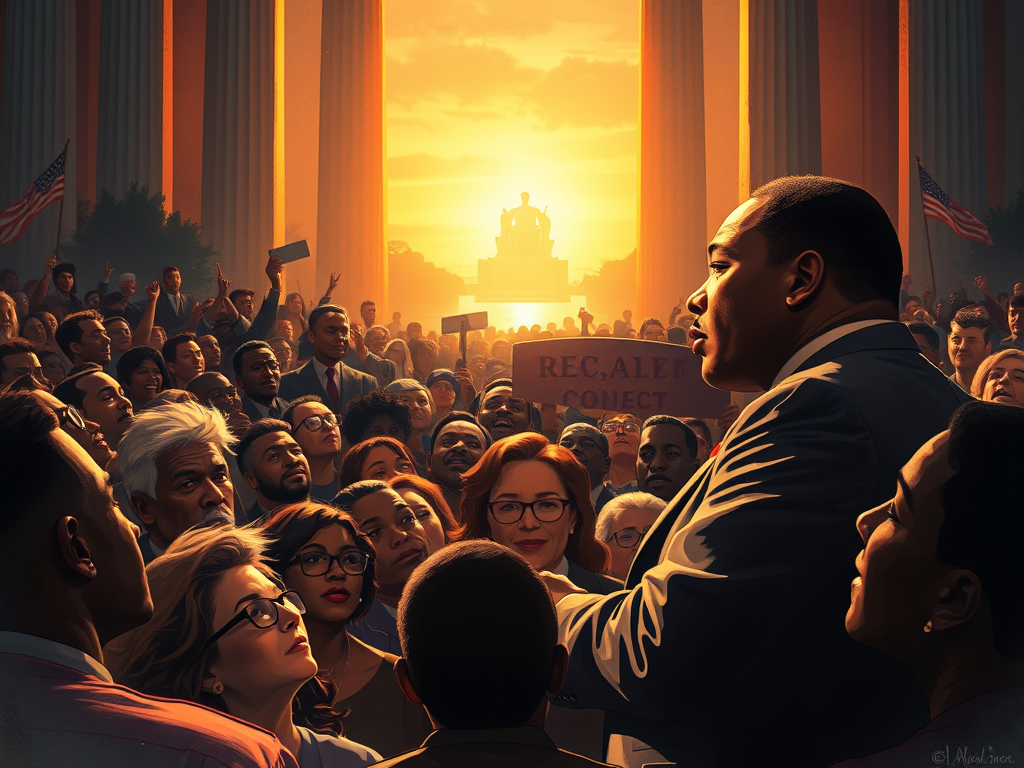
Martin Luther King, Jr. “I have a Dream Speech”

I am happy to join with you today in what will go down in history as the greatest demonstration for freedom in the history of our nation.

Five score years ago, a great American, in whose symbolic shadow we stand today, signed the Emancipation Proclamation. This momentous decree came as a great beacon light of hope to millions of Negro slaves who had been seared in the flames of withering injustice. It came as a joyous daybreak to end the long night of their captivity.

But 100 years later, the Negro still is not free. One hundred years later, the life of the Negro is still sadly crippled by the manacles of segregation and the chains of discrimination. One hundred years later, the Negro lives on a lonely island of poverty in the midst of a vast ocean of material prosperity. One hundred years later, the Negro is still languished in the corners of American society and finds himself an exile in his own land. And so we’ve come here today to dramatize a shameful condition.

In a sense we’ve come to our nation’s capital to cash a check. When the architects of our republic wrote the magnificent words of the Constitution and the Declaration of Independence, they were signing a promissory note to which every American was to fall heir. This note was a promise that all men — yes, black men as well as white men — would be guaranteed the unalienable rights of life, liberty, and the pursuit of happiness.

It is obvious today that America has defaulted on this promissory note insofar as her citizens of color are concerned. Instead of honoring this sacred obligation, America has given the Negro people a bad check, a check that has come back marked “insufficient funds.”

But we refuse to believe that the bank of justice is bankrupt. We refuse to believe that there are insufficient funds in the great vaults of opportunity of this nation. And so we’ve come to cash this check, a check that will give us upon demand the riches of freedom and security of justice. We have also come to his hallowed spot to remind America of the fierce urgency of now. This is no time to engage in the luxury of cooling off or to take the tranquilizing drug of gradualism. Now is the time to make real the promises of democracy. Now is the time to rise from the dark and desolate valley of segregation to the sunlit path of racial justice. Now is the time to lift our nation from the quicksands of racial injustice to the solid rock of brotherhood. Now is the time to make justice a reality for all of God’s children.

It would be fatal for the nation to overlook the urgency of the moment. This sweltering summer of the Negro’s legitimate discontent will not pass until there is an invigorating autumn of freedom and equality. 1963 is not an end but a beginning. Those who hoped that the Negro needed to blow off steam and will now be content will have a rude awakening if the nation returns to business as usual. There will be neither rest nor tranquility in America until the Negro is granted his citizenship rights. The whirlwinds of revolt will continue to shake the foundations of our nation until the bright day of justice emerges.

But there is something that I must say to my people who stand on the warm threshold which leads into the palace of justice. In the process of gaining our rightful place we must not be guilty of wrongful deeds. Let us not seek to satisfy our thirst for freedom by drinking from the cup of bitterness and hatred. We must forever conduct our struggle on the high plane of dignity and discipline. We must not allow our creative protest to degenerate into physical violence. Again and again we must rise to the majestic heights of meeting physical force with soul force. The marvelous new militancy which has engulfed the Negro community must not lead us to a distrust of all white people, for many of our white brothers, as evidenced by their presence here today, have come to realize that their destiny is tied up with our destiny. And they have come to realize that their freedom is inextricably bound to our freedom. We cannot walk alone.

As we walk, we must make the pledge that we shall always march ahead. We cannot turn back. There are those who are asking the devotees of civil rights, “When will you be satisfied?” We can never be satisfied as long as the Negro is the victim of the unspeakable horrors of police brutality. We can never be satisfied as long as our bodies, heavy with the fatigue of travel, cannot gain lodging in the motels of the highways and the hotels of the cities. We cannot be satisfied as long as the Negro’s basic mobility is from a smaller ghetto to a larger one. We can never be satisfied as long as our children are stripped of their selfhood and robbed of their dignity by signs stating “for whites only.” We cannot be satisfied as long as a Negro in Mississippi cannot vote and a Negro in New York believes he has nothing for which to vote. No, no we are not satisfied and we will not be satisfied until justice rolls down like waters and righteousness like a mighty stream.

I am not unmindful that some of you have come here out of great trials and tribulations. Some of you have come fresh from narrow jail cells. Some of you have come from areas where your quest for freedom left you battered by storms of persecution and staggered by the winds of police brutality. You have been the veterans of creative suffering. Continue to work with the faith that unearned suffering is redemptive.

Go back to Mississippi, go back to Alabama, go back to South Carolina, go back to Georgia, go back to Louisiana, go back to the slums and ghettos of our northern cities, knowing that somehow this situation can and will be changed.

Let us not wallow in the valley of despair. I say to you today my friends — so even though we face the difficulties of today and tomorrow, I still have a dream. It is a dream deeply rooted in the American dream.

I have a dream that one day this nation will rise up and live out the true meaning of its creed: “We hold these truths to be self-evident, that all men are created equal.”

I have a dream that one day on the red hills of Georgia the sons of former slaves and the sons of former slave owners will be able to sit down together at the table of brotherhood.

I have a dream that one day even the state of Mississippi, a state sweltering with the heat of injustice, sweltering with the heat of oppression, will be transformed into an oasis of freedom and justice.

I have a dream that my four little children will one day live in a nation where they will not be judged by the color of their skin but by the content of their character.

I have a dream today.

I have a dream that one day down in Alabama, with its vicious racists, with its governor having his lips dripping with the words of interposition and nullification — one day right there in Alabama little black boys and black girls will be able to join hands with little white boys and white girls as sisters and brothers.

I have a dream today.

I have a dream that one day every valley shall be exalted, and every hill and mountain shall be made low, the rough places will be made plain, and the crooked places will be made straight, and the glory of the Lord shall be revealed and all flesh shall see it together.

This is our hope. This is the faith that I go back to the South with. With this faith we will be able to hew out of the mountain of despair a stone of hope. With this faith we will be able to transform the jangling discords of our nation into a beautiful symphony of brotherhood. With this faith we will be able to work together, to pray together, to struggle together, to go to jail together, to stand up for freedom together, knowing that we will be free one day.

This will be the day, this will be the day when all of God’s children will be able to sing with new meaning “My country ’tis of thee, sweet land of liberty, of thee I sing. Land where my father’s died, land of the Pilgrim’s pride, from every mountainside, let freedom ring!”

And if America is to be a great nation, this must become true. And so let freedom ring from the prodigious hilltops of New Hampshire. Let freedom ring from the mighty mountains of New York. Let freedom ring from the heightening Alleghenies of Pennsylvania.

Let freedom ring from the snow-capped Rockies of Colorado. Let freedom ring from the curvaceous slopes of California.

But not only that; let freedom ring from Stone Mountain of Georgia.

Let freedom ring from Lookout Mountain of Tennessee.

Let freedom ring from every hill and molehill of Mississippi — from every mountainside.

Let freedom ring. And when this happens, and when we allow freedom ring — when we let it ring from every village and every hamlet, from every state and every city, we will be able to speed up that day when all of God’s children — black men and white men, Jews and Gentiles, Protestants and Catholics — will be able to join hands and sing in the words of the old Negro spiritual: “Free at last! Free at last! Thank God Almighty, we are free at last!”

Martin Luther King, Jr.
August 28, 1963
Lincoln Memorial, Washington, D.C., United States of America


Events in January: Fun Days and Historical Remembrances

This page gives a list of some Holidays and other events that occur in January. Some of the events are fun days. Others are for remembering only. Information is attached to many of the events. Have fun reading, learning, and/ or celebrating.

New Year’s Day: celebrated on January 1, marks the beginning of the year in the Gregorian calendar. It follows the festivities of New Year’s Eve and offers a moment for reflection and new beginnings.

World Braille Day: World Braille Day is annually celebrated on January 4, the birthday of Braille inventor, Louis Braille. The day recognizes the contributions of Louis Braille in helping blind and visually impaired people to read and write.

Epiphany: commonly known as Three Kings’ Day in the United States, is on January 6. It celebrates the three wise men’s visit to baby Jesus and also remembers his baptism, according to the Christian Bible’s events.

Feast of the Baptism of the Lord: The Baptism of Jesus is celebrated annually on the Sunday after January 6 (the Feast of the Epiphany). This celebration is recognized in various Christian denominations, including the Catholic, Anglican, and Lutheran churches.

Battle of New Orleans: January 8th is celebrated as Battle of New Orleans day in the state of Louisiana.

Benjamin Franklin Day: January 17 is celebrated worldwide as Benjamin Franklin Day.

Martin Luther King Jr. Day: is a federal holiday held on the third Monday of January. It celebrates the life and achievements of Martin Luther King Jr., an influential American civil rights leader.

Robert E. Lee’s Birthday: also known as Robert E. Lee Day, is a state holiday in some parts of the United States. In some states it is an annual shared state holiday with Martin Luther King’s birthday on the third Monday of January.

Civil Rights Day: is a state holiday in Arizona and New Hampshire, in the United States, on the third Monday of January. It honors civil rights activists and is combined with Martin Luther King Day.

World Leprosy Day: World Leprosy Day is annually observed around the world on the last Sunday of January. The day was initiated in 1954 by French philanthropist and writer Raoul Follereau, as a way to raise global awareness of this deadly ancient disease and call attention to the fact that it can be prevented, treated, and cured.

World Holocaust Victims Remembrance Day: On January 27 each year, the United Nations (UN) remembers the Holocaust that affected many people of Jewish origin during World War II. This day is called the International Day of Commemoration in Memory of the Victims of the Holocaust. It also commemorates when the Soviet troops liberated the Nazi concentration and death camp Auschwitz-Birkenau in Poland on January 27, 1945.

Winter Chowder Recipe: Creamy & Hearty Comfort Food

Ingredients:

  • 1-pound dried lima beans
  • 1 large onion, chopped
  • 2 large ribs celery, chopped
  • 1/4 cup butter
  • 1/4 cup flour
  • 1 teaspoon salt
  • Pepper to taste
  • 3 cups heavy cream
  • 16-ounce can Italian tomatoes
  • 16-ounce can corn
  • 1/4-pound sharp Cheddar cheese. grated

Directions:

  1. Rinse dried lima beans and soak in 6 cups water for 6 hours or overnight.
  2. Drain and cook beans for about 1 hour in large pot with 6 cups fresh water.
  3. In a large saucepan, sauté onion and celery in butter until slightly tender:
  4. Thoroughly blend in flour, salt and pepper.
  5. Add cream and bring to a gentle boil.
  6. Add beans and their liquid.
  7. Add remaining ingredients.
  8. Bring to a boil again.
  9. Adjust seasonings before serving.

The Children’s Six Minutes: HAPPY NEW YEAR

Happy New Year, Juniors!

The morning of the first day of every year we enter into a contest. We see who will be the first to give that day’s greeting. Before I was awake this morning my boy ran into my room shouting, “Happy New Year! Happy New Year!” He won in the contest.

Now, however, you are in Church and it is not proper for you to speak out loud, so I am able to get ahead of you. A Happy New Year to you, every one.

Well, what will make this year a happy year for you? I will tell you. Let us take this word Happy, and instead of writing it across the page let us write it straight up and down.

H stands for Helpful. You cannot have a happy year unless you are helpful. He who does not try to be helpful is never very happy.

A for Active. I want your year to be full of activity. I hope you will be able to skate and slide down hill many days this winter, and that you will enter into all the spring and summer sports with zest and joy.

P for Playful. All work and no play makes Jack a dull boy. You will want to do something other than play, of course. You will have some home responsibilities, but sandwiched in with the work may there be a good measure of play.

P for Purposeful. Yes, early hi life you should form a purpose. Two questions will help you gain that purpose. 1st—What is it that I want to do? 2nd—What is it that God wants me to do?

Y for Youth.

Helpful Active Playful Purposeful Youth.

MEMORY VERSE, Psalm 19:14

“Let the words of my mouth, and the meditation of my heart, be acceptable in thy sight, O Lord, my strength and my redeemer.”

MEMORY HYMN

“Break, newborn year, on glad eyes break.”

1 Break, new-born year, on glad eyes break,
Melodious voices move;
On, rolling time; thou canst not make
The Father cease to love.

2 The parted year had wingèd feet;
The Saviour still doth stay:
The new year comes; but, Spirit sweet,
Thou goest not away.

3 Our hearts in tears may oft run o’er;
But, Lord, Thy smile still beams:
Our sins are swelling evermore,
But pardoning grace still streams.

4 Lord, from this year more service win,
More glory, more delight:
O make it hours less sad with sin,
Its days with Thee more bright.

5 Then we may bless its precious things
If earthly cheer should come,
Or gladsome mount on angel wings,
If Thou wouldst take us home.

6 O golden them the hours must be;
The year must needs be sweet;
Yes, Lord, with happy melody
Thine opening grace we greet.

Amen.

The Hymnal: Published by the authority of the General Assembly of the Presbyterian Church in the U.S.A., 1895